
What the brand needed
A new label launching its first collection: ten coats and three hats, with the budget a launch allows. Enough imagery to put every article on sale, not a full campaign.
The plan was hangers. It changed on the first frames: a coat on a hanger has no shoulders, and this collection was built on heavy fabrics and natural fur — exactly what a hanger flattens.
Why it switched to a mannequin mid-shoot
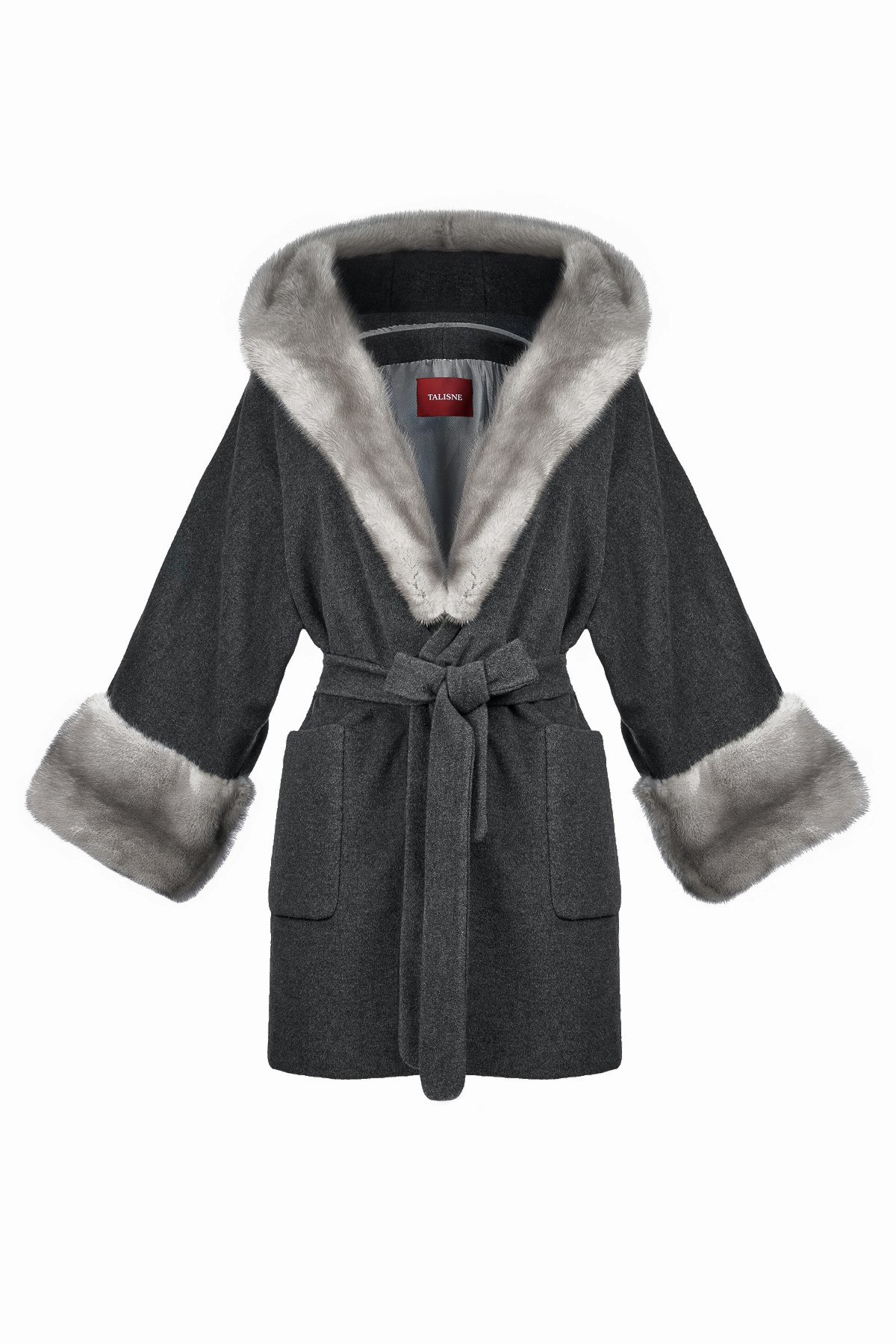
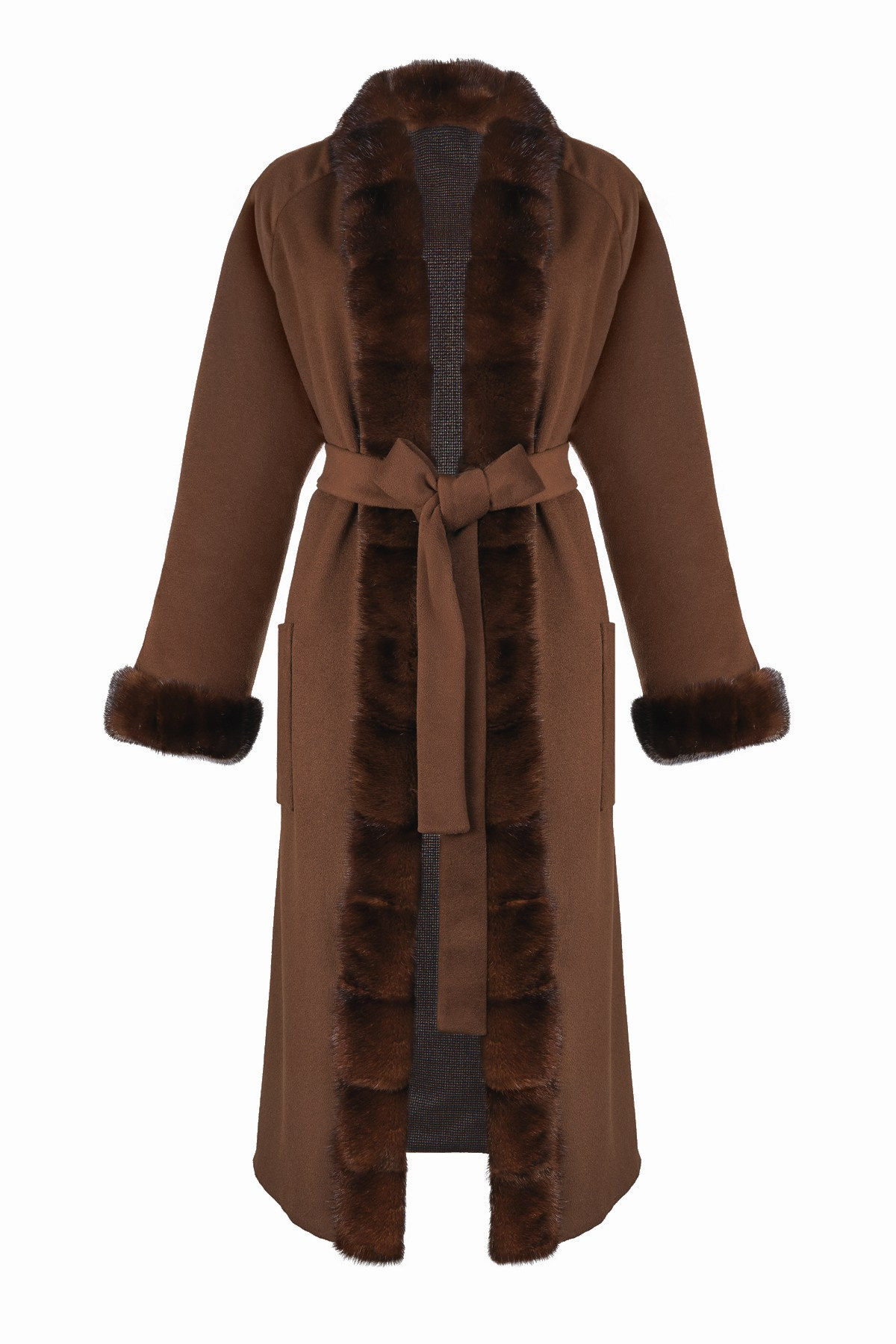
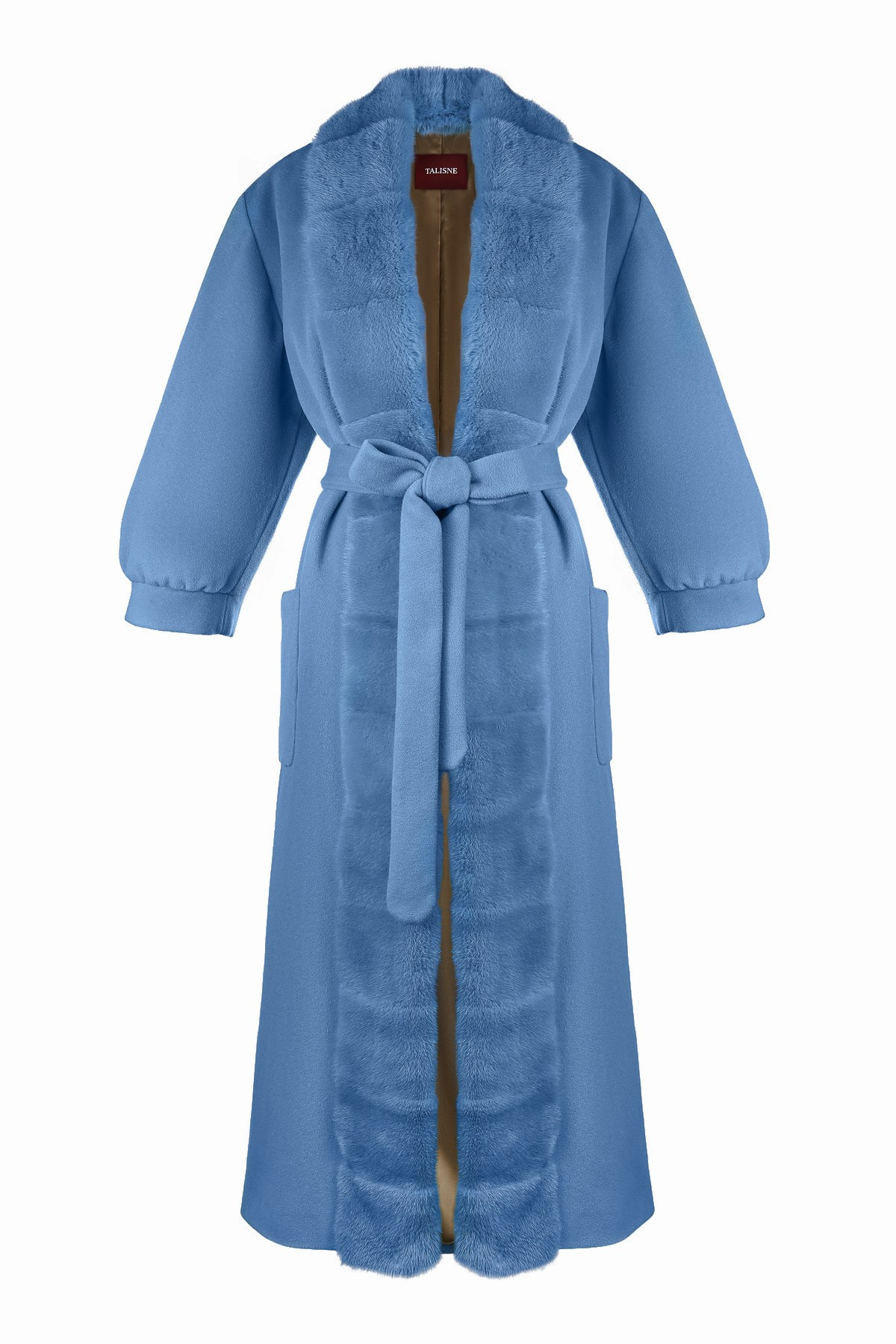
The garments were good. Real fabrics, natural fur, careful finishing. And on a hanger they looked correct and flat, like any coat from anywhere.
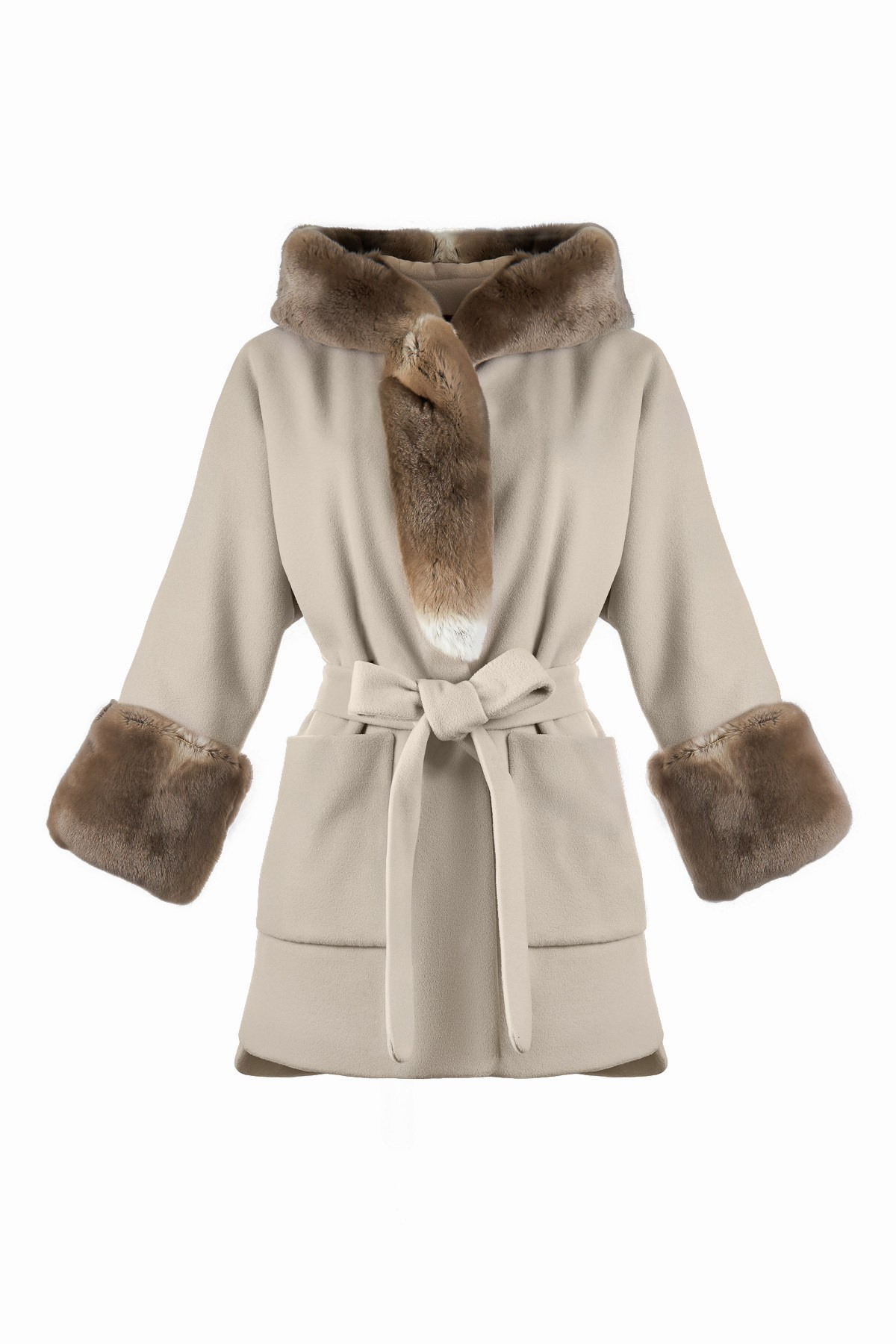
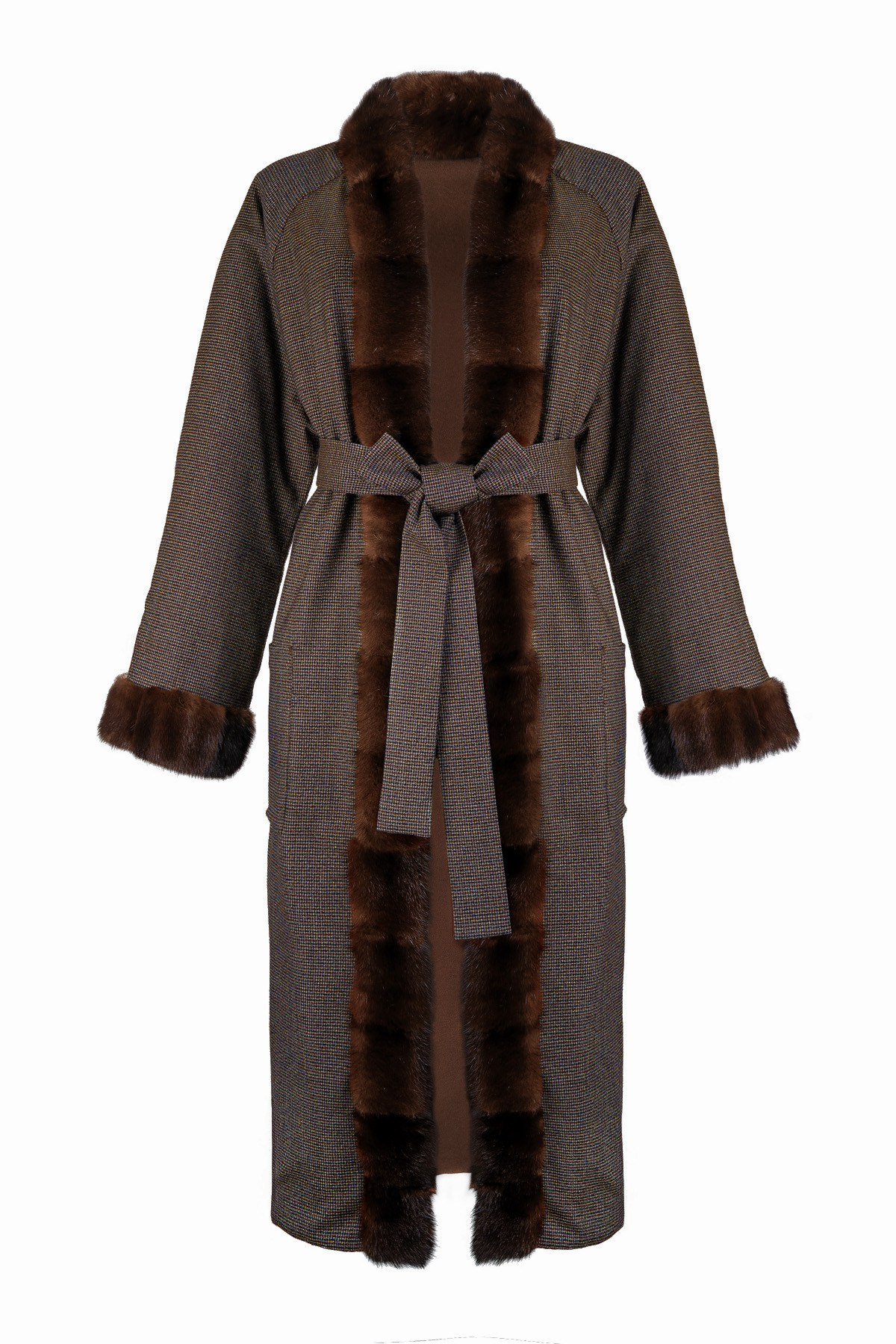
The problem wasn’t the photograph. It was that a hanger doesn’t show what makes that garment expensive: how it sits on the shoulder, how the hem falls under the weight of the cloth, what volume the collar has.
So the mannequin went up and what had been shot got redone.
Changing plan halfway through a day costs time, and on a tight day that time comes from somewhere. But delivering thirteen flat garments, exactly as agreed, would have been worse: the brand would have launched with images that didn’t say what it was selling.
It’s one of the few decisions you can’t make in advance. You have to see the first garment on camera.
Then the whole collection on a model
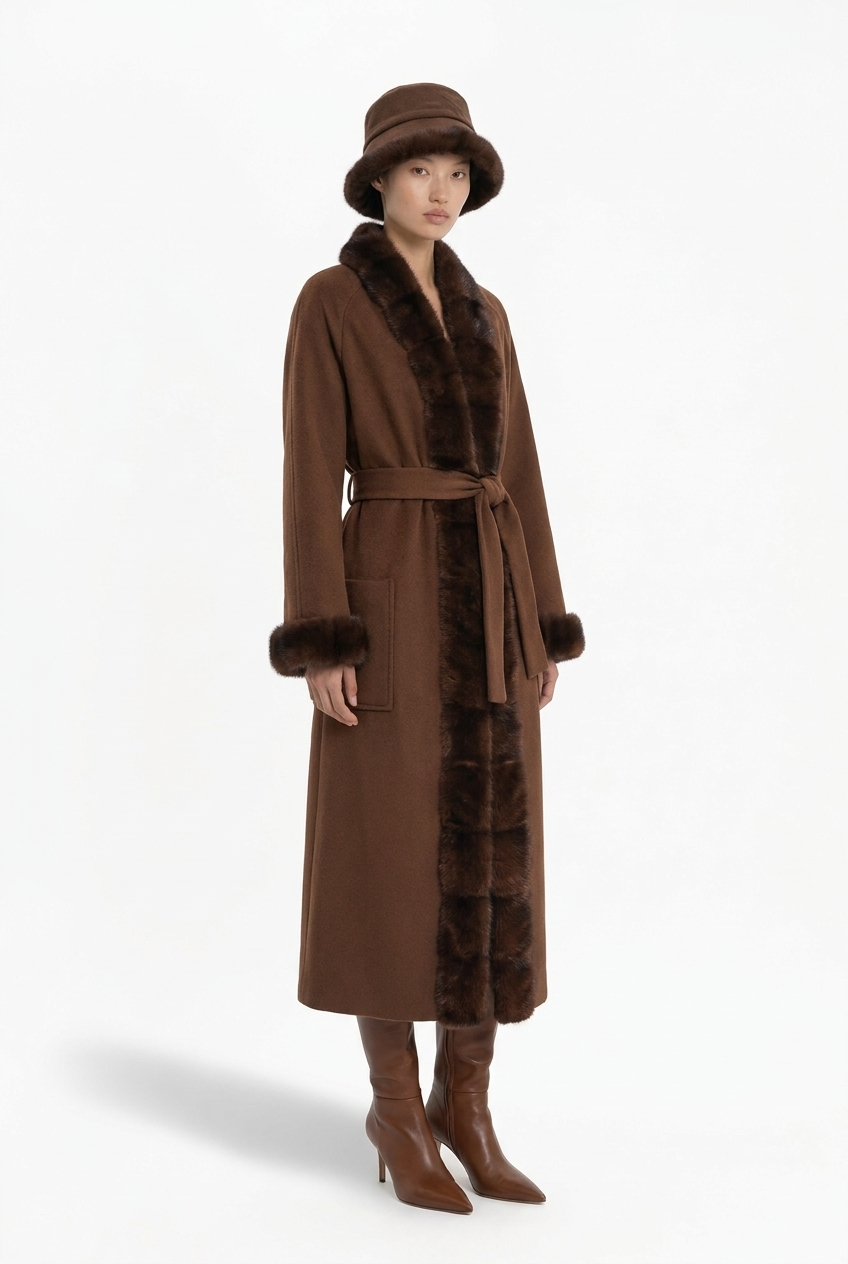
With the mannequin settled, the entire collection was shot worn.
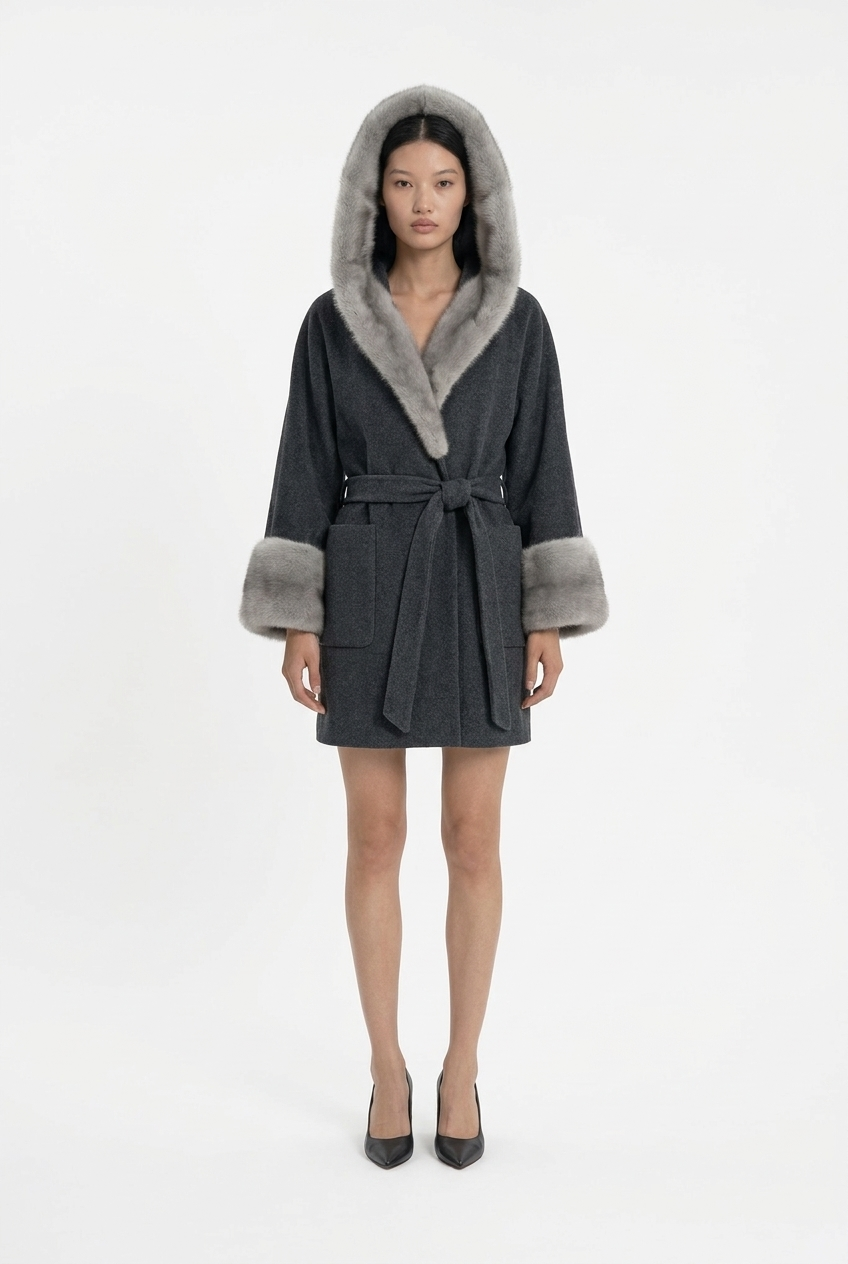
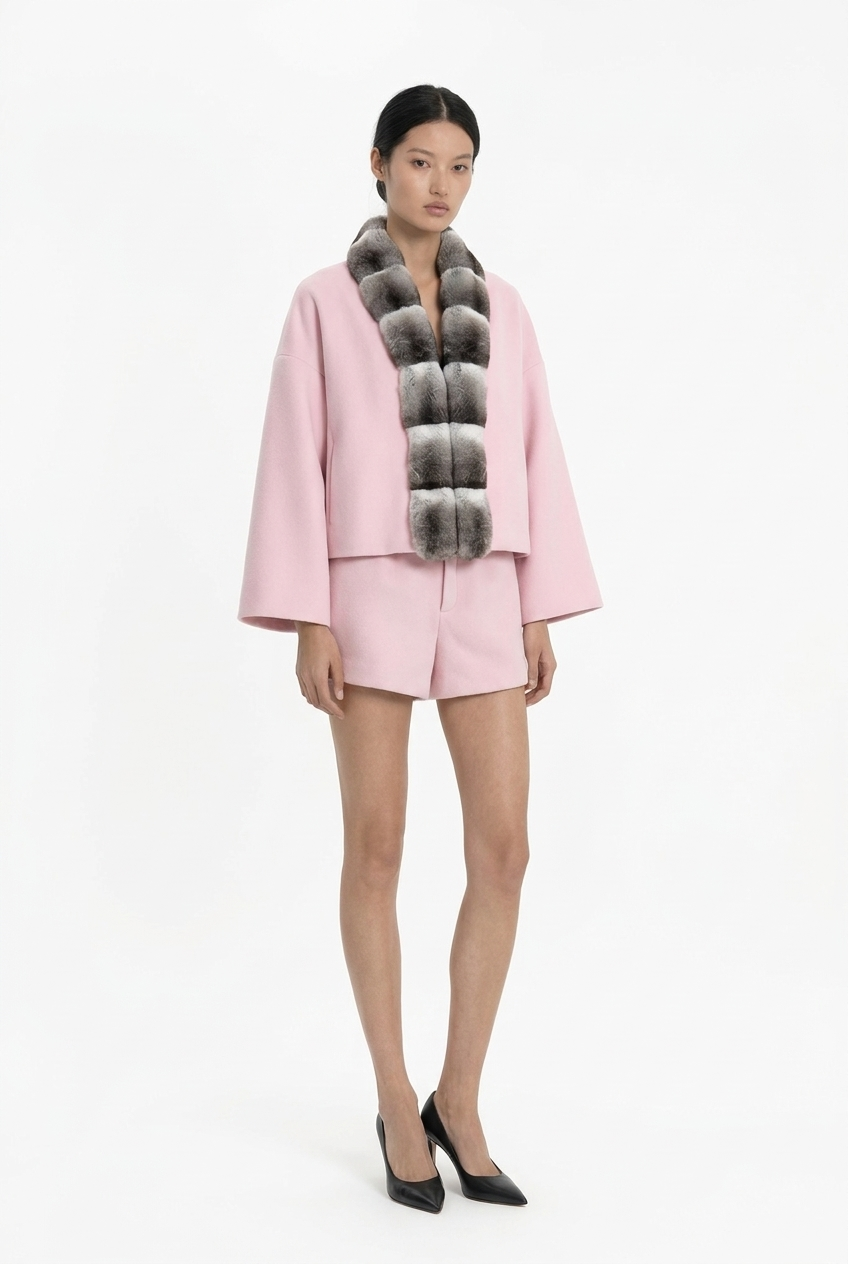
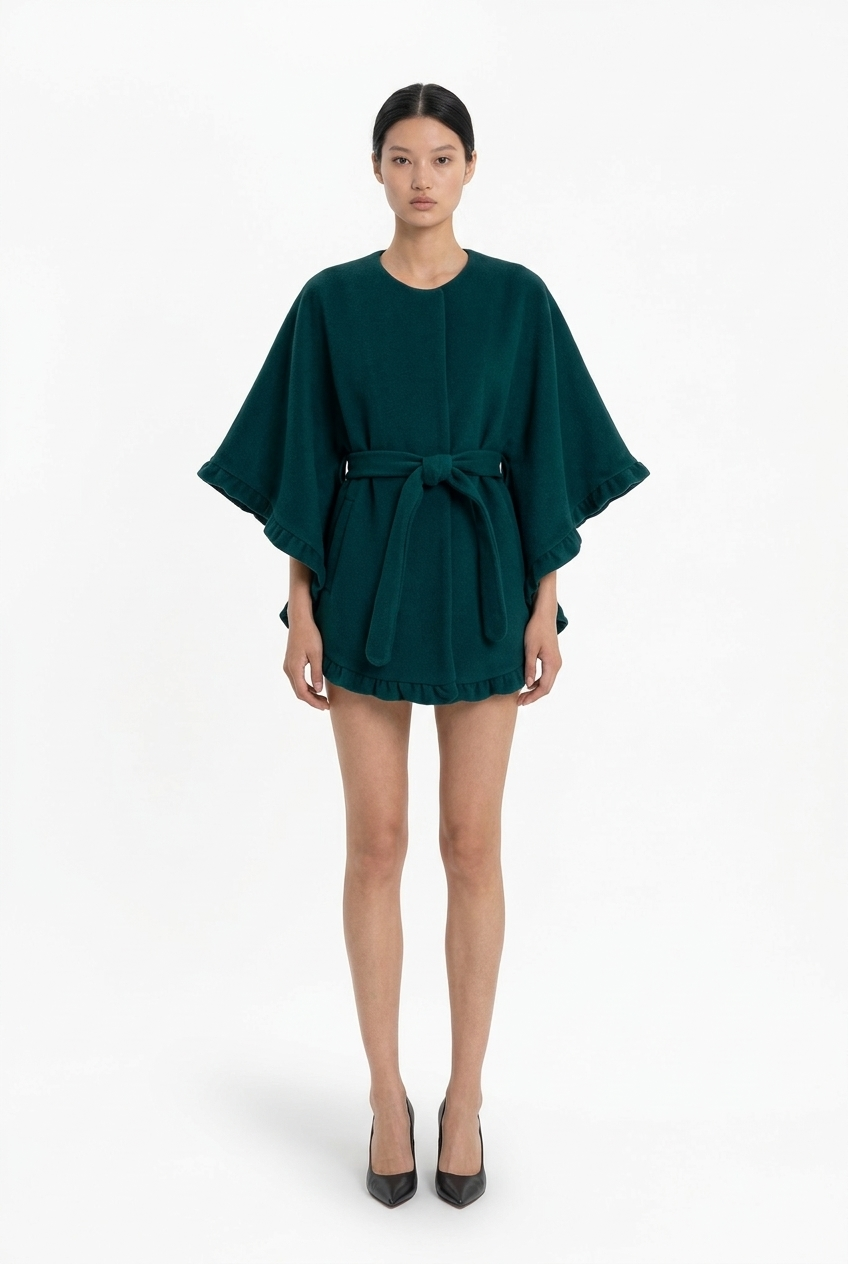
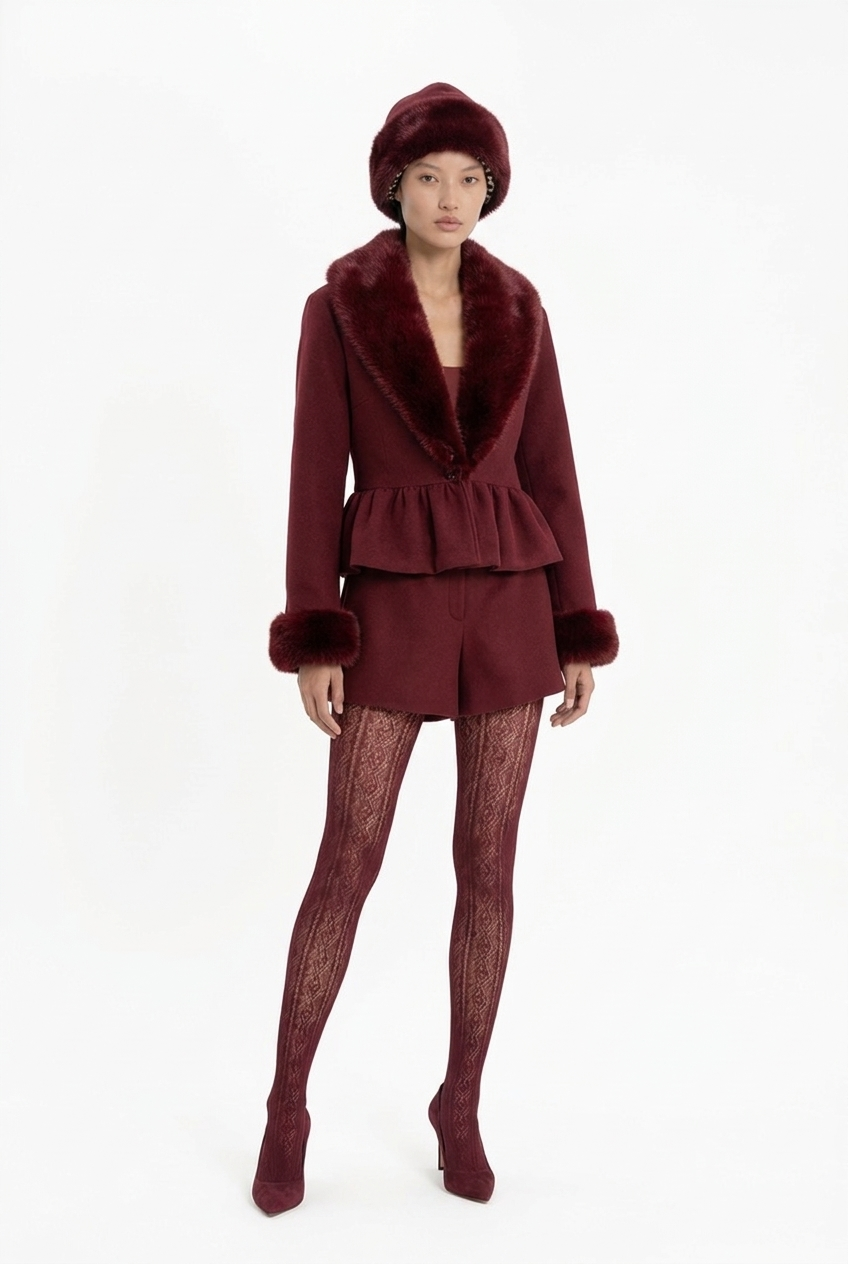
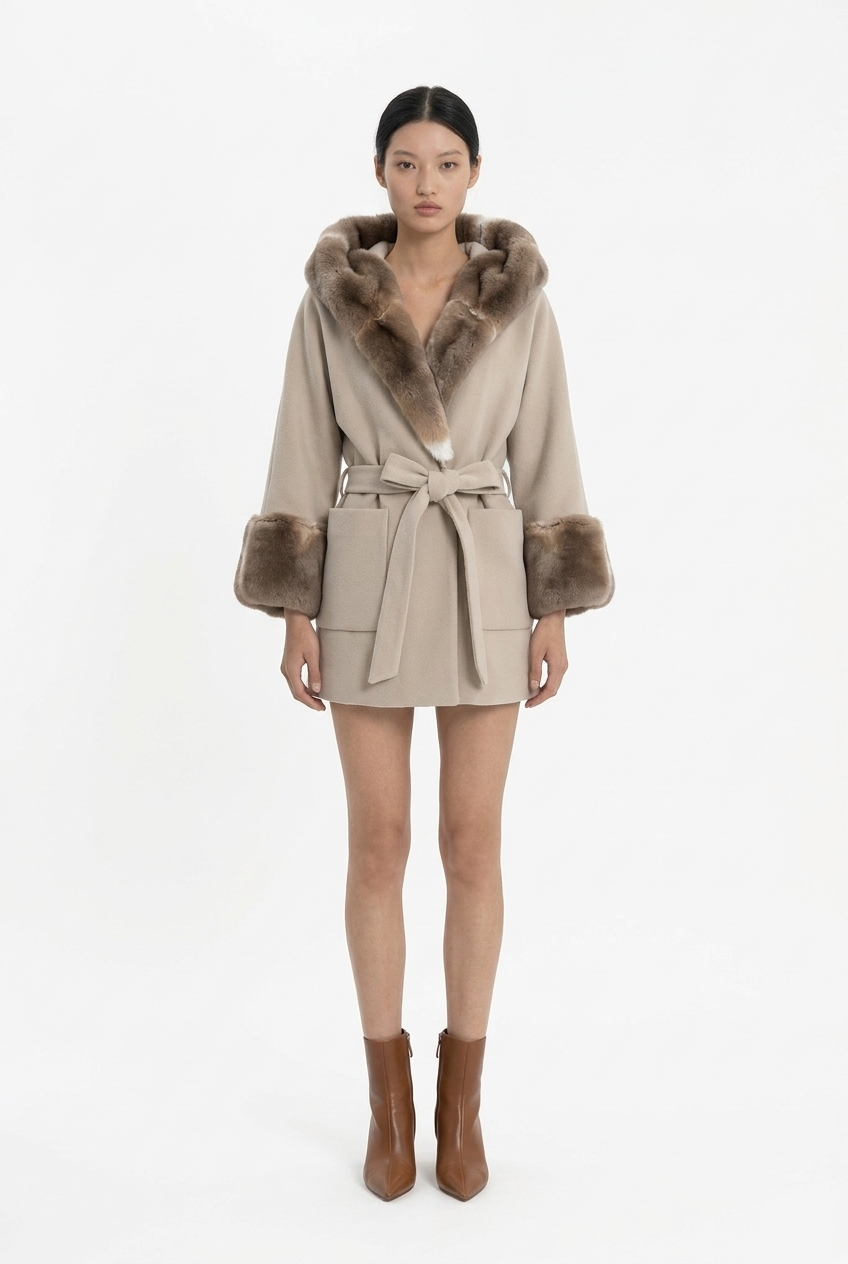
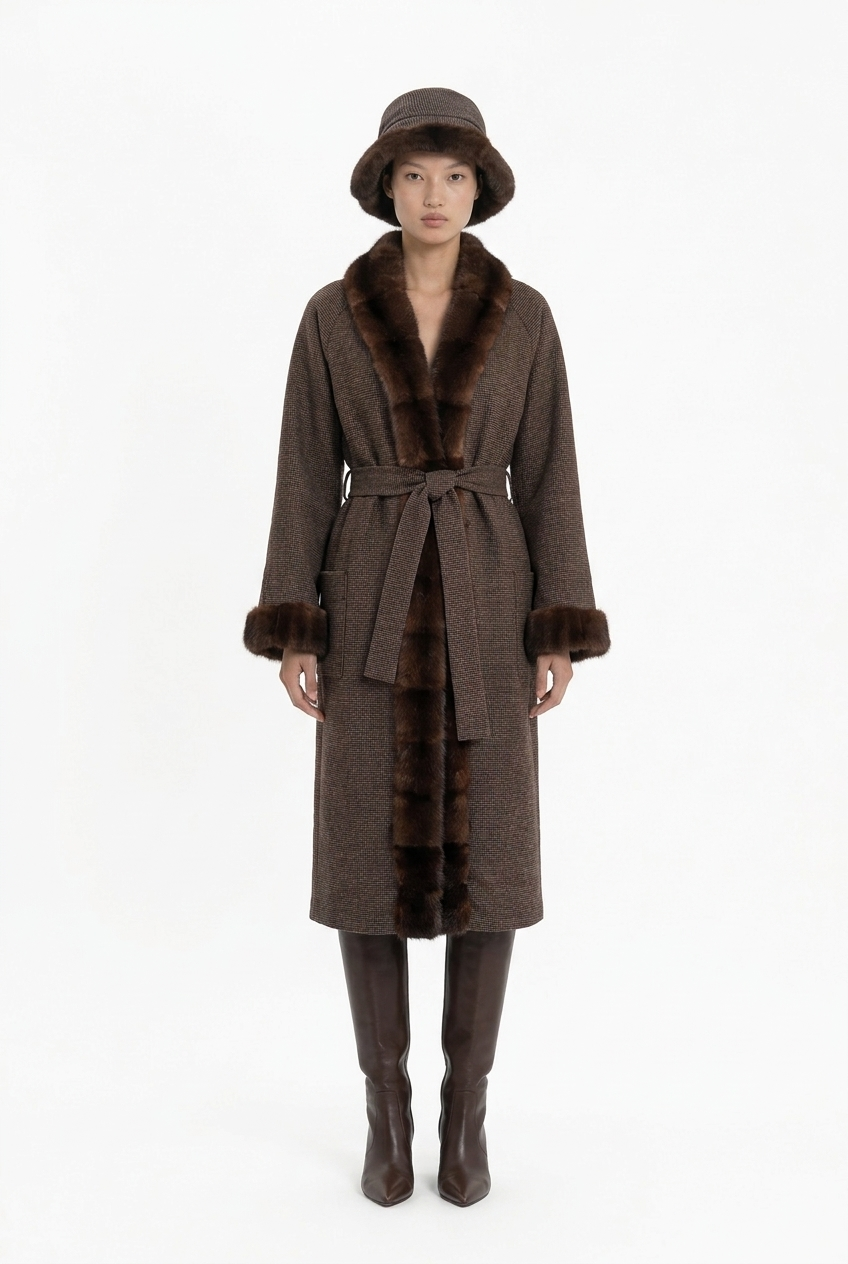
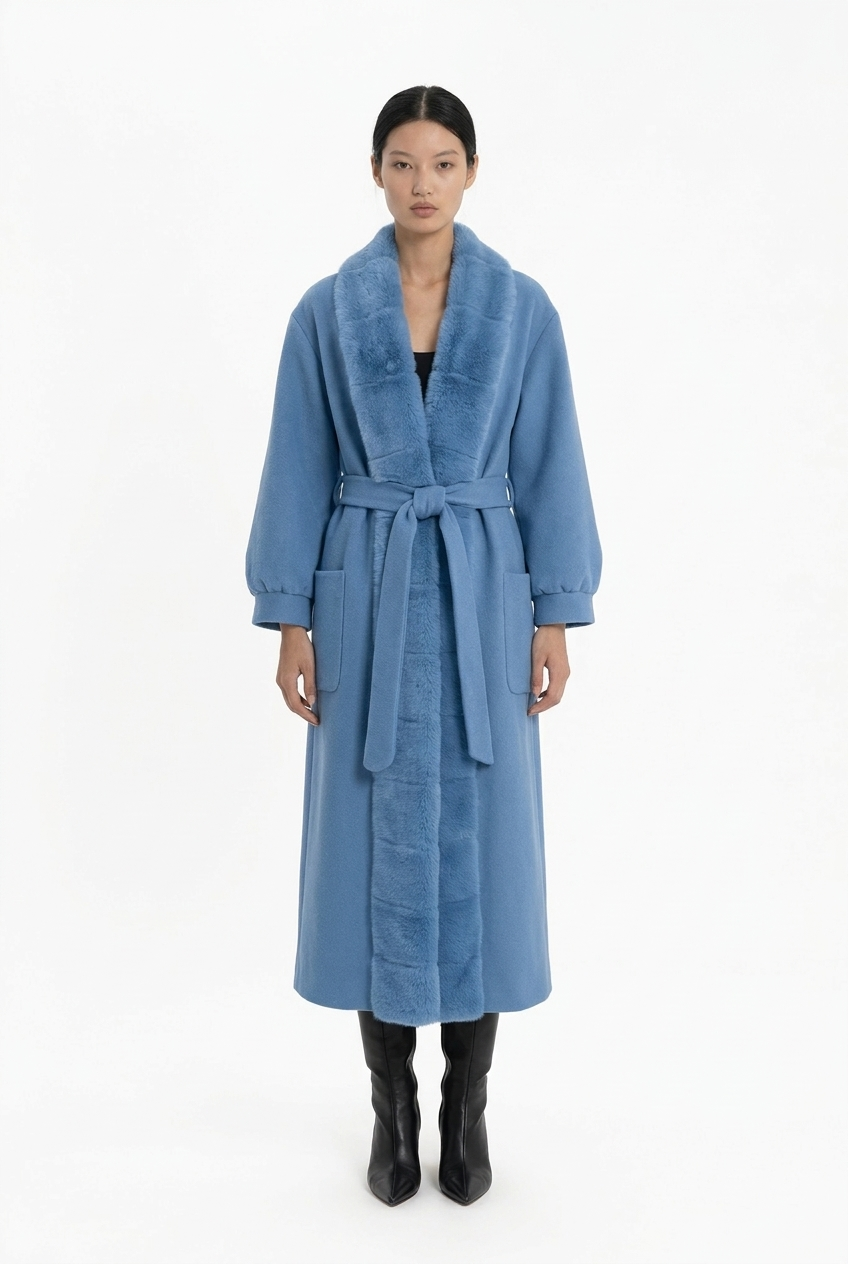
A coat on a mannequin answers how it’s built. A coat on a person answers something else: real proportion, where the hem falls on a body, how it moves, what it looks like worn rather than displayed.
In coats that difference weighs more than in almost any other garment, because length and volume are half the buying decision.
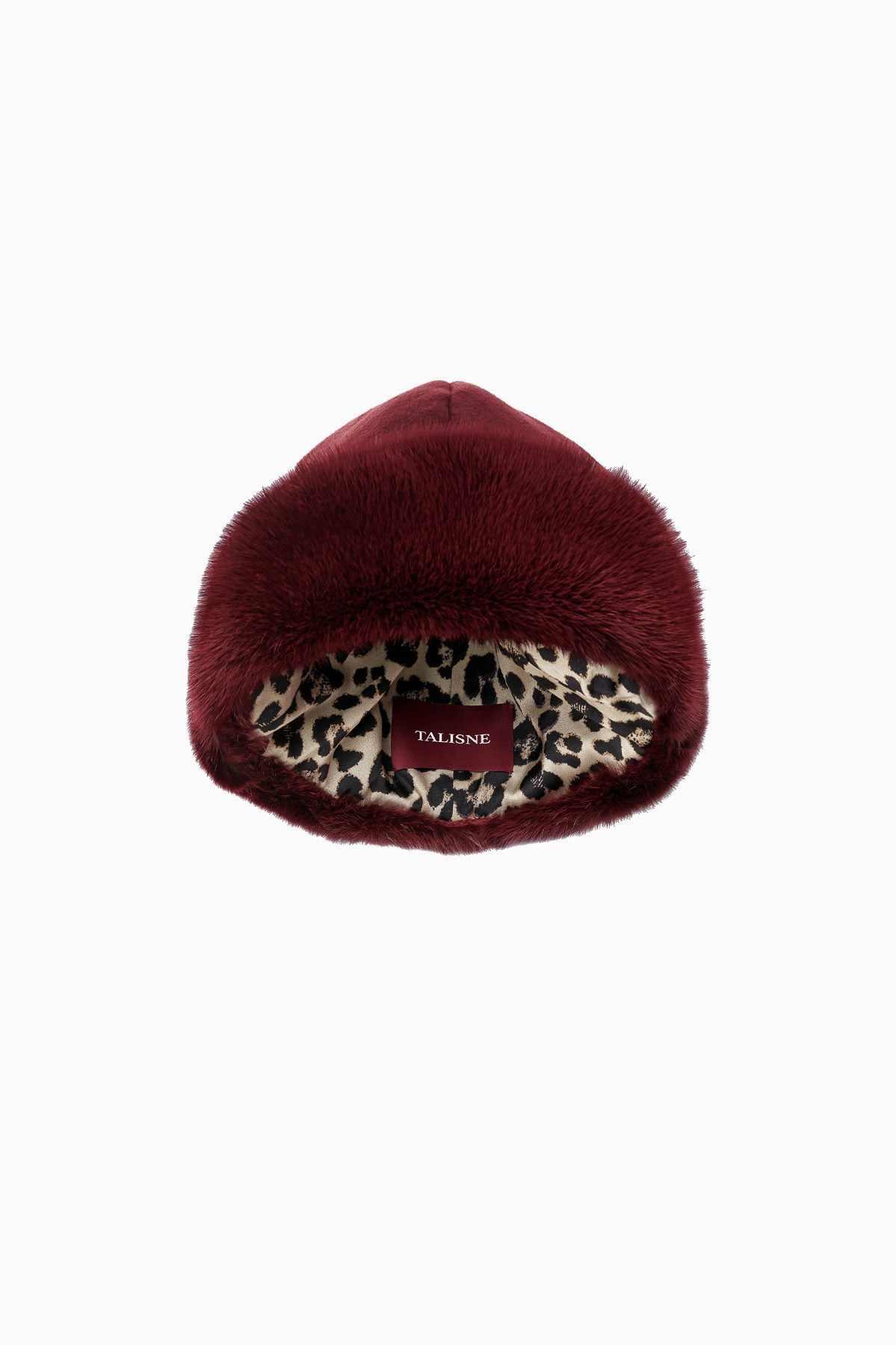
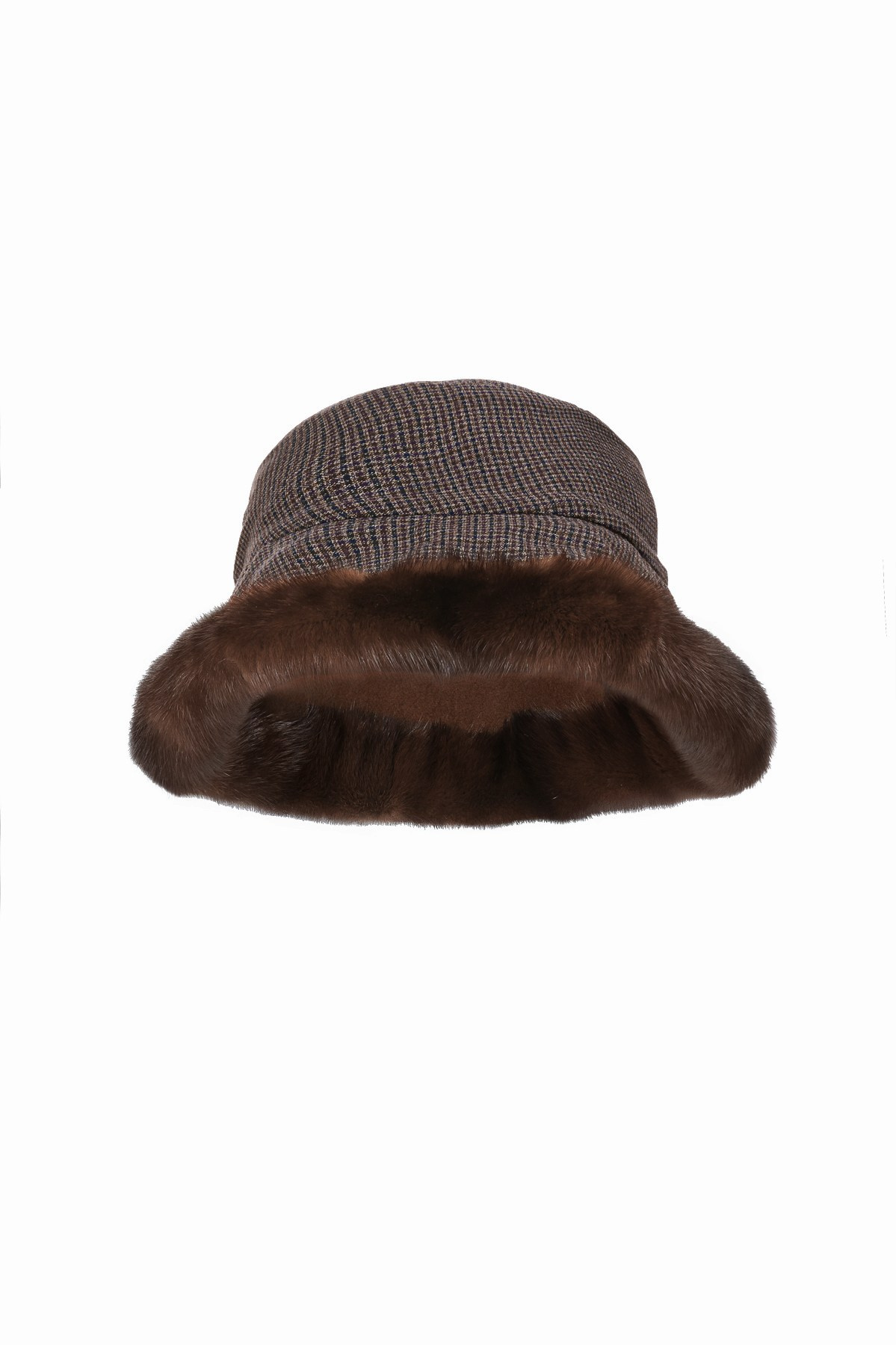
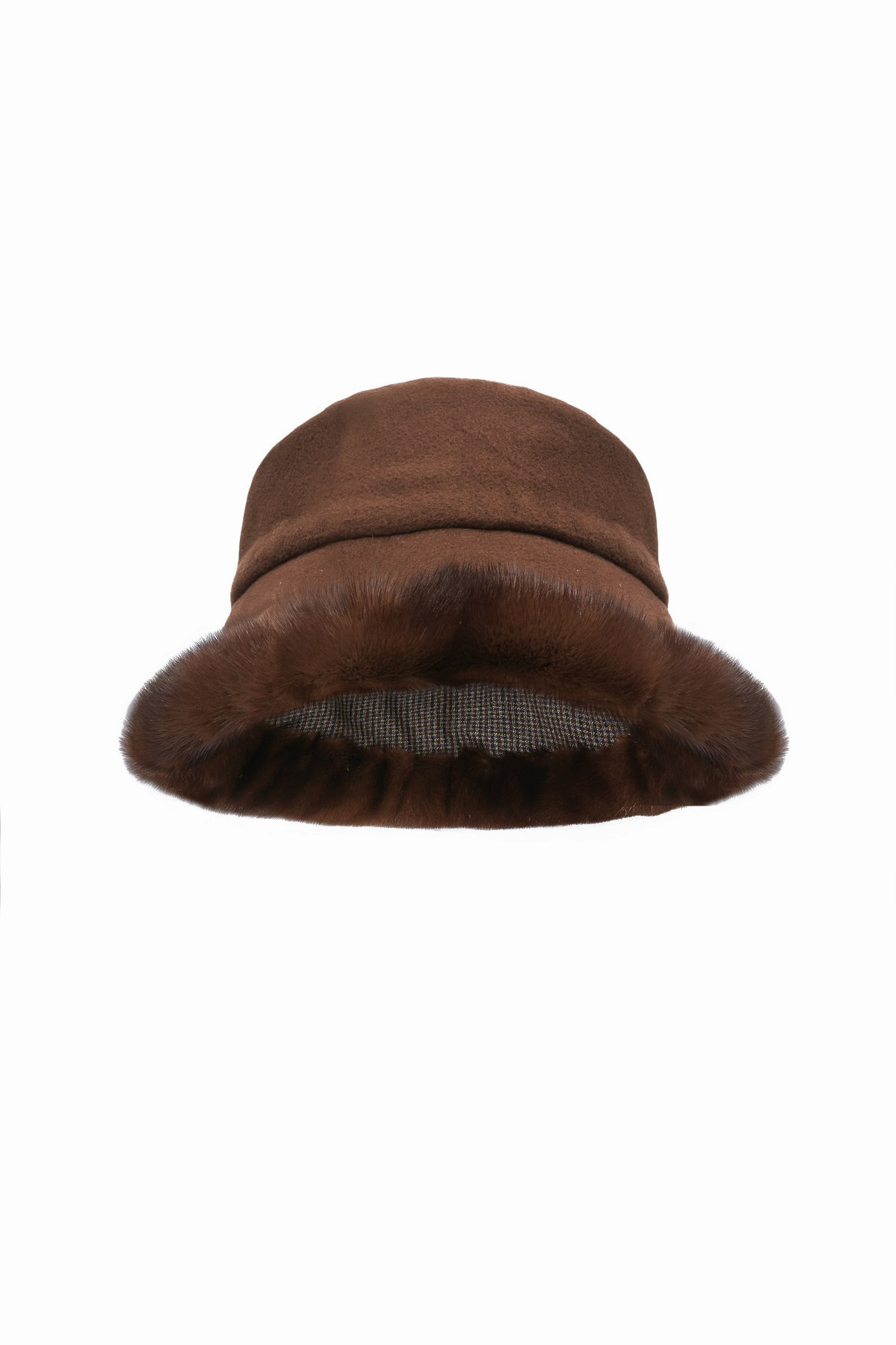
The three hats went in there too. A hat on a surface is an object; on a head it’s a garment.
We organised the model and the styling. For a brand that’s launching, that isn’t a detail: finding a model, aligning calendars, settling image rights and sorting the styling is work that normally lands on the brand’s own team — in the exact month it has the fewest spare hands.
Here the collection arrived and the rest was already handled.
Thirteen articles, two setups, one day
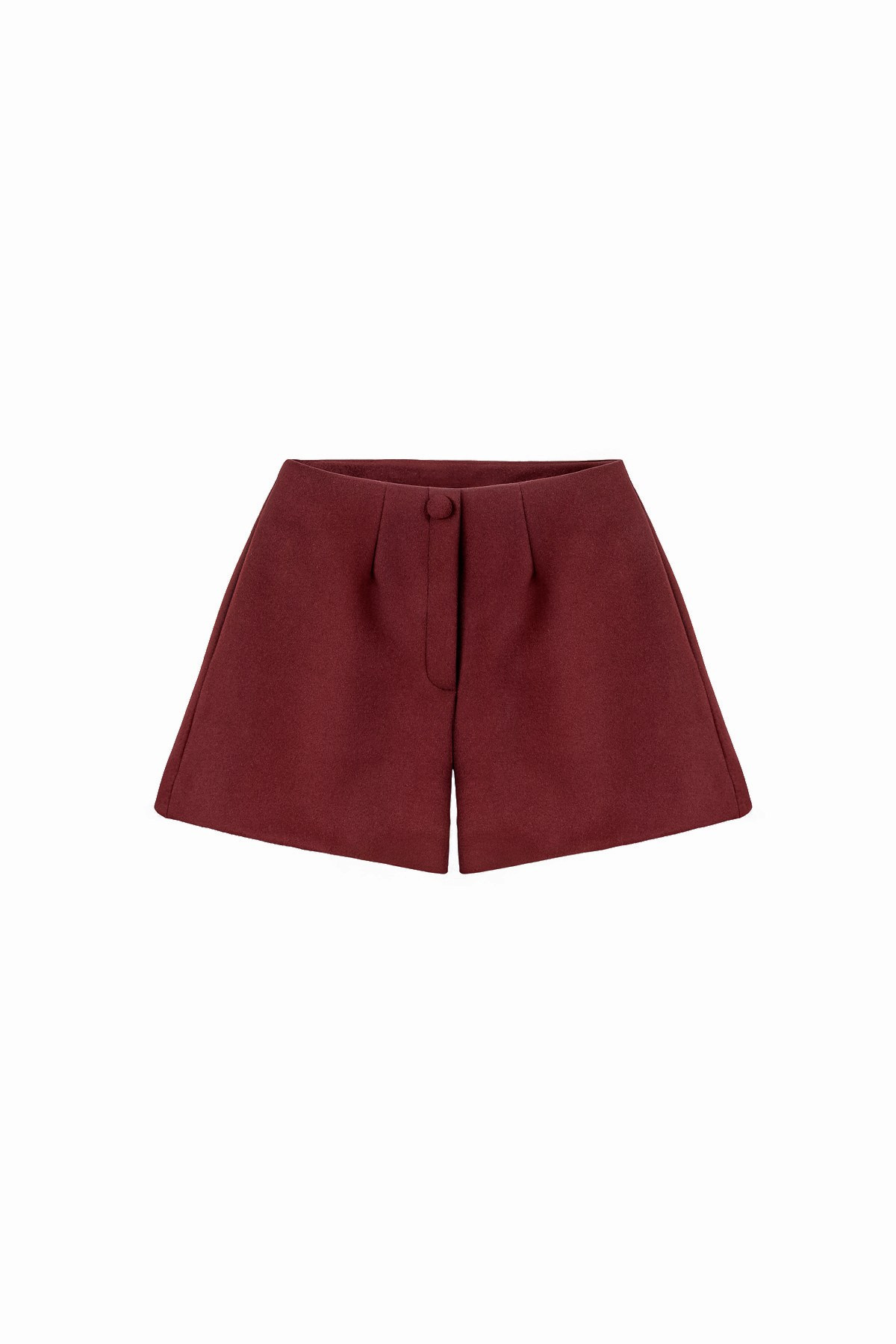
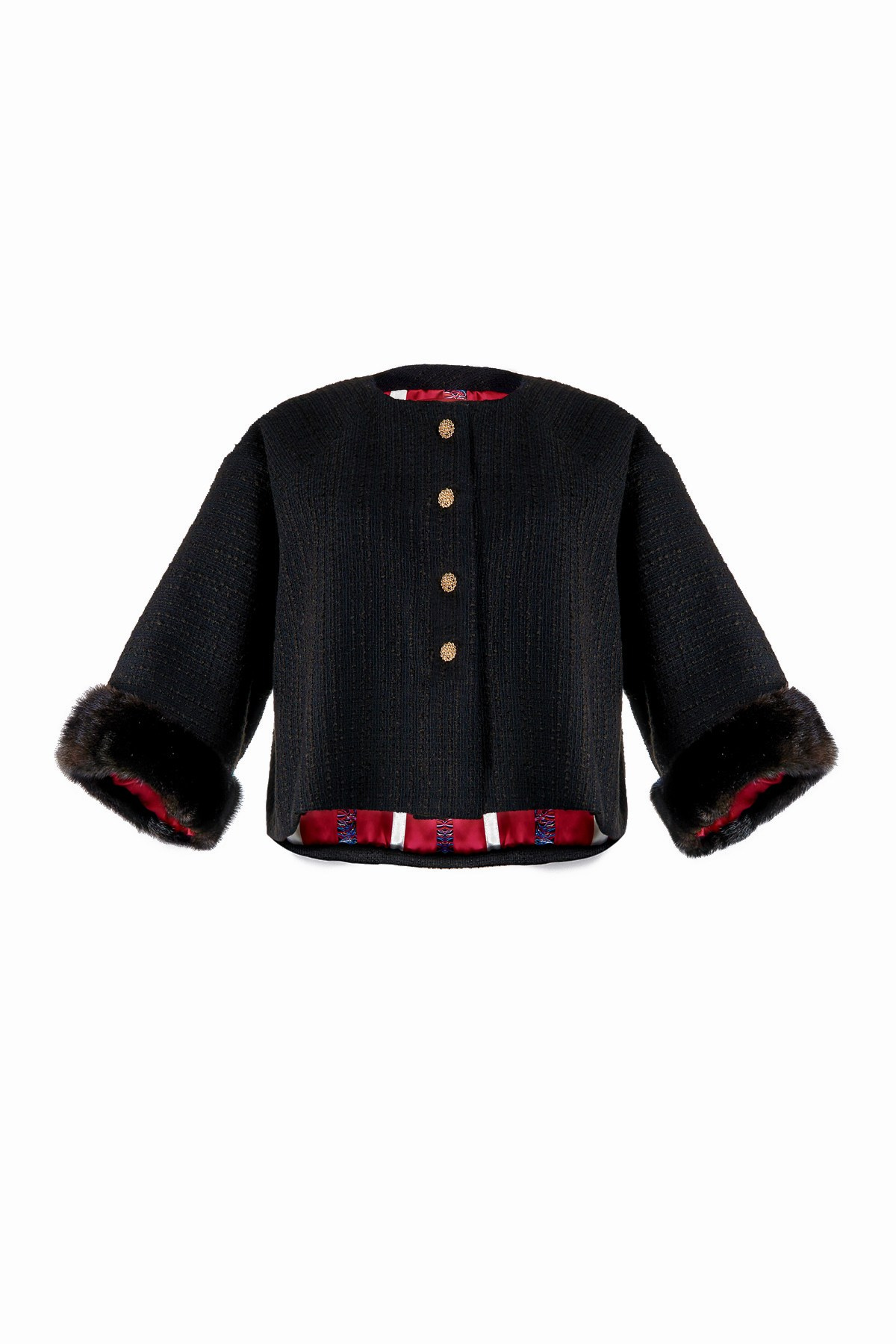
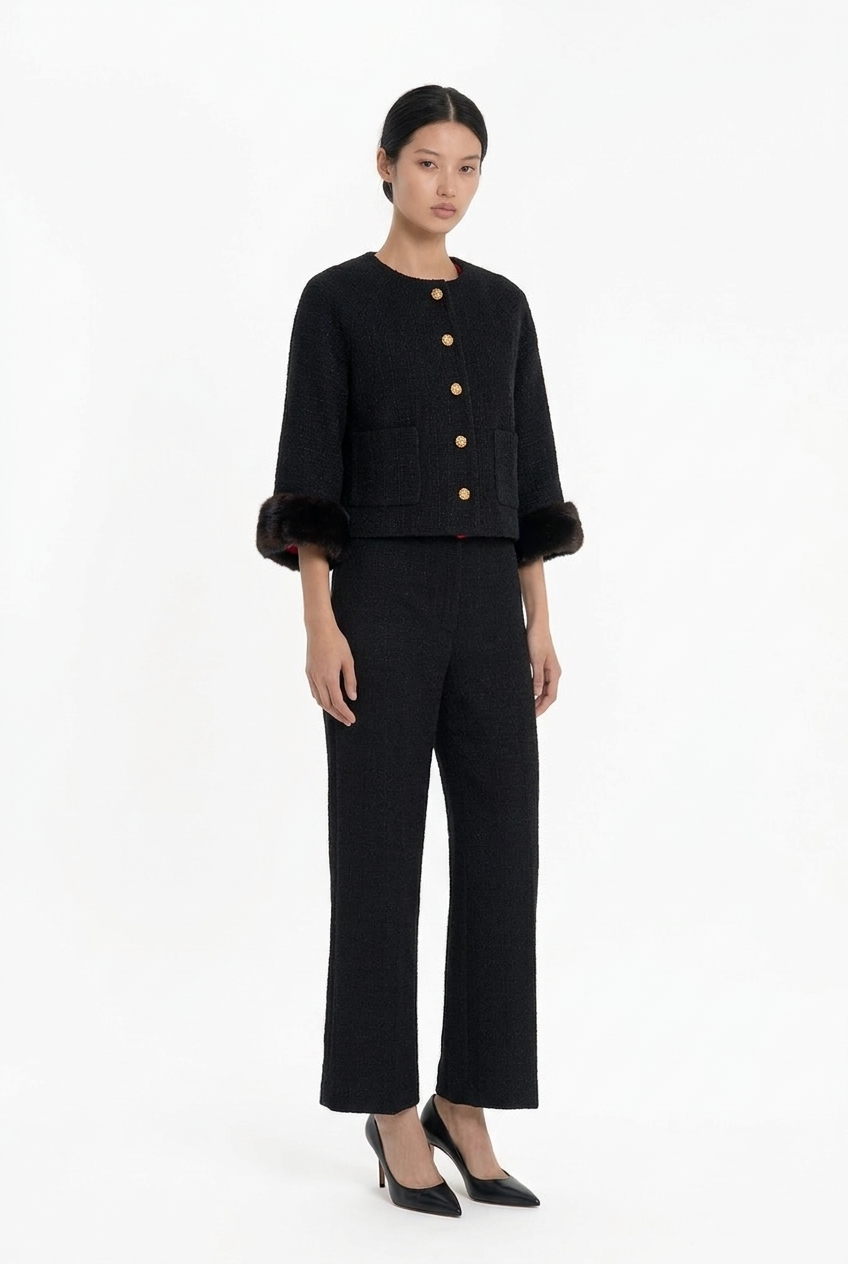
Ten coats and three hats, shot on a mannequin and on a model, in a single day, in our studio.
That was the project’s real challenge, and it worked for the usual reason: each setup went up once.
Every coat passed the mannequin in sequence, in the same position, under the same light. Then the setup changed once and the whole collection passed the model.
Alternating — one coat on the mannequin, the same one on the model, the next on the mannequin — would have doubled the day without adding a single image.
And in coats the preparation weighs more than in other garments: they’re heavy, they mark at the shoulder if they’ve been hanging, and natural fur has to be brushed before every frame.
Two photos per article: what they buy and what they don’t
Here’s the part worth saying plainly.
The launch budget covered two images per article. Twenty-six in total.
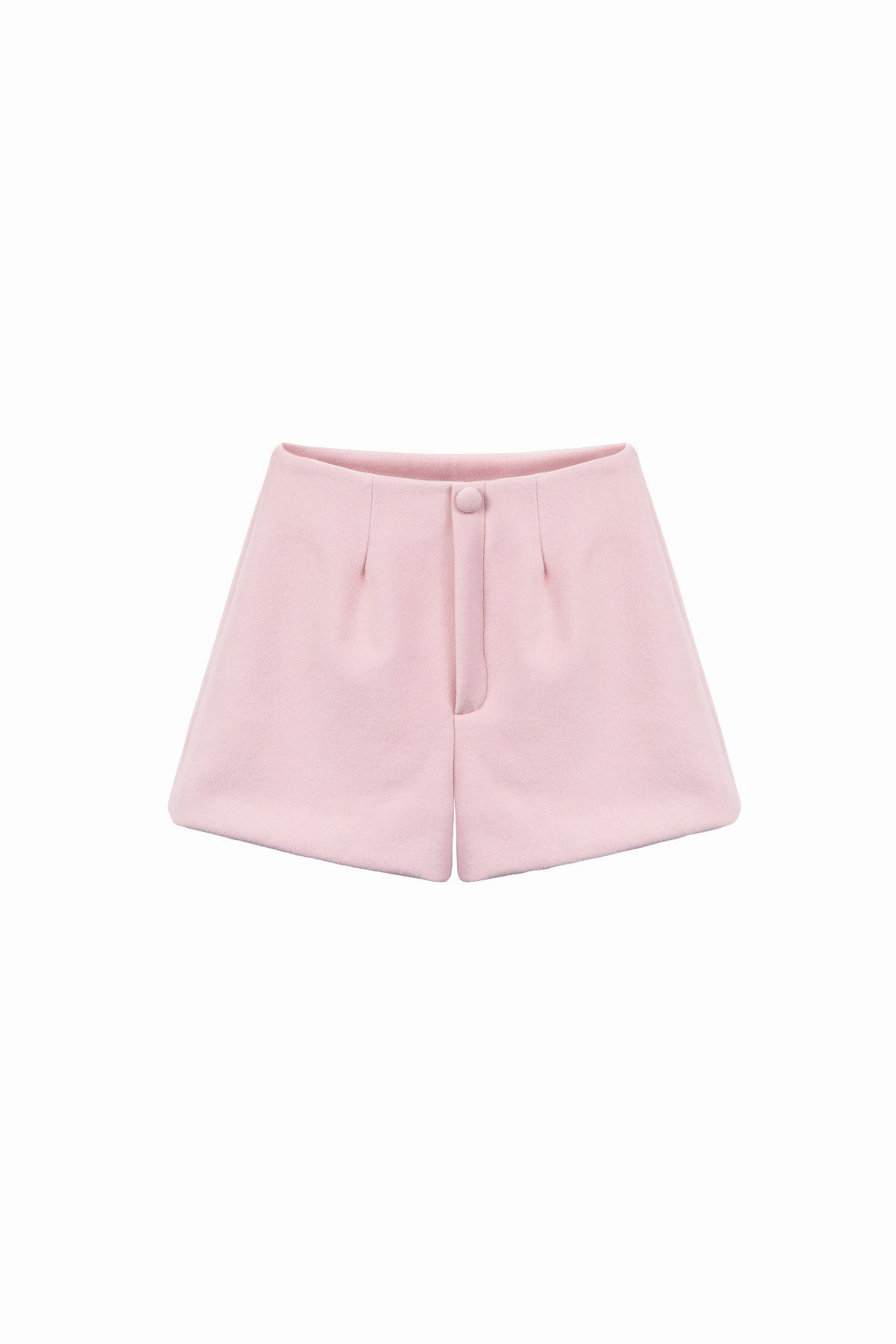
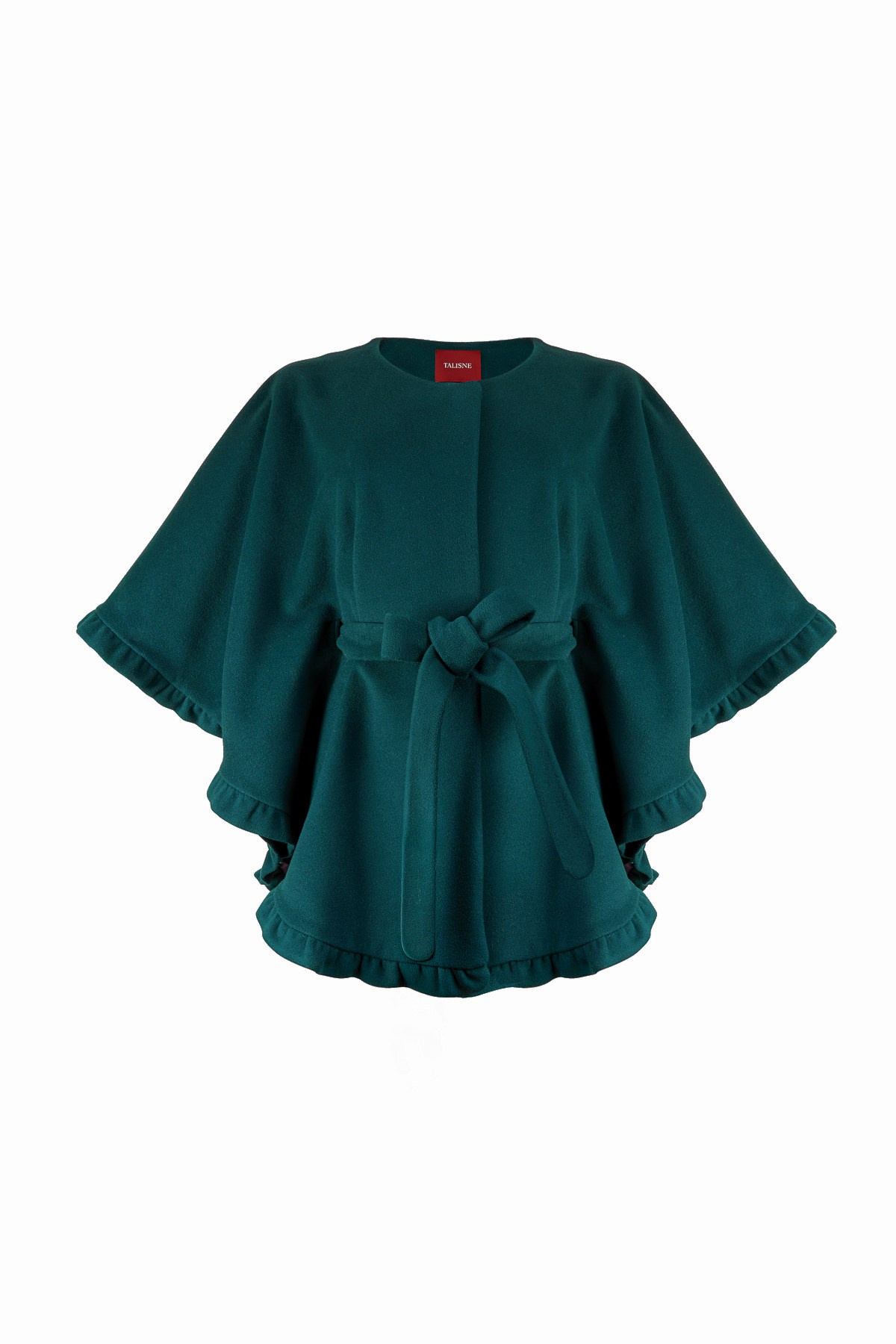
What two photos cover: that the garment exists on the listing, that its shape reads, and that it’s understood worn. To start selling, it’s the minimum that works.
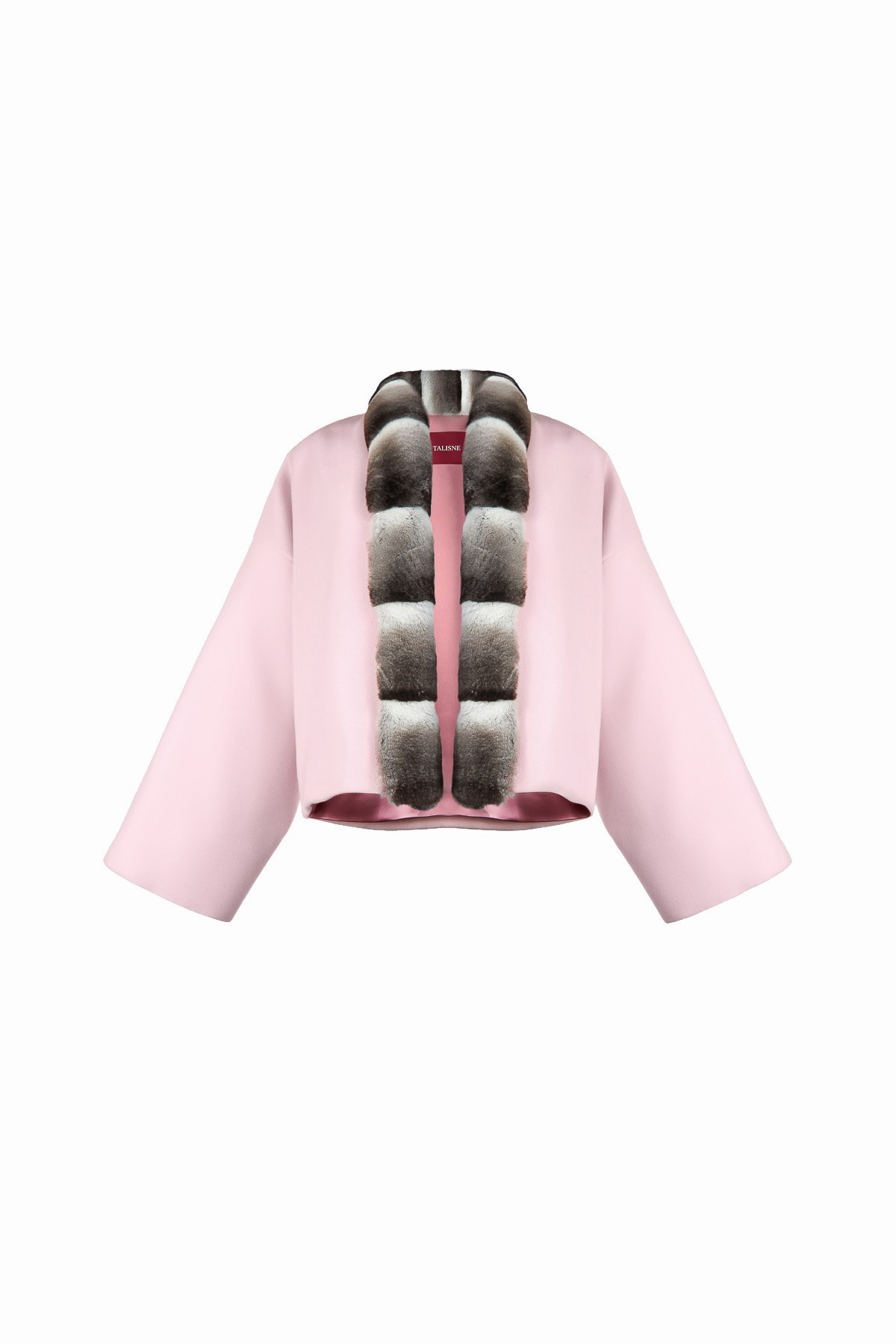
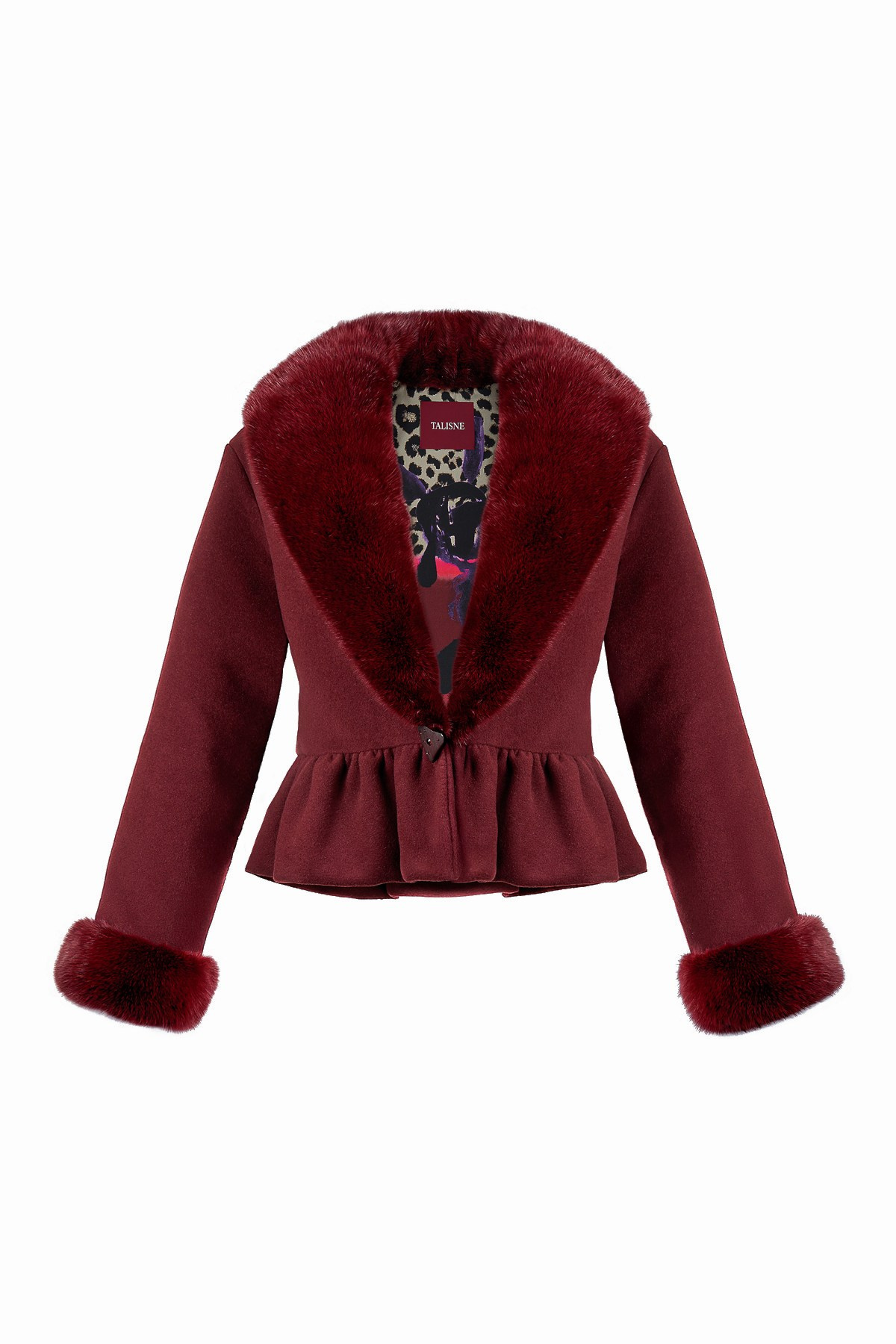
What they don’t cover, and in this collection it hurt: the lining, the inside view, the seam finishing, the detail of the natural fur, the fabric texture up close.
And that collection had real quality. Good materials, careful finishing, things that justify the price.
None of it appears in two photos. The buyer sees a nice coat and has no way of knowing it’s well made.
For a brand that’s launching, that difference is exactly what separates “I’ll think about it” from “it’s worth it”.
What one more session would add
Nothing needs redoing. On top of what’s already shot, three frames per article would change the whole listing:
The inside. Lining and construction, which in an expensive coat is half the argument.
Material detail. Natural fur and fabric up close — where the buyer zooms in before deciding.
The finishing. Seams, buttons, buttonholes. What separates a well-made garment from one that only looks it.
With the light, the criteria and the mannequin already fixed from the first day, that session is short. That’s the argument for a second phase as soon as the brand has room: it doesn’t start from zero.
What this case shows
Two things, and neither is technical.
That a plan can be wrong and someone has to see it in time. Hangers were reasonable on paper. They fell apart on the first frame, and what you’re commissioning is that someone notices it there rather than at delivery.
That a tight budget gets handled by saying what’s being left out. Two photos per article was the right call for the money available. But knowing what’s missing — and being able to add it later without repeating the day — is part of the work.
Launching a collection?
Tell us how many garments, in which fabrics and when you need it.