
The camera file is a stage, not a result
A product is shot under soft, balanced light. No blown-out areas, no blocked shadows, detail held in both the brightest and the darkest parts.
That decision aims for a file holding all the available information, rather than an image already closed. Contrast, shine and the visual punch of the image get built afterwards, and building them requires that nothing was lost beforehand.
If the file came out of the camera already contrasted, that contrast would be locked in: what’s blown is blown, and a closed shadow won’t give a fabric back.
So the selection gallery is there to choose the take: the framing, the angle, the position of the product. The finish belongs to the next stage.
One final image usually comes from several takes
This is the part almost nobody pictures.
The same product gets shot under several lighting schemes and different reflectors: one that solves the label, one that draws the edge, one that gives the body its volume. The final image uses the best of each.
Which means none of the individual takes is the photo. The photo appears when they’re combined, and that’s exactly the work nobody sees.
It also answers a common question: why an isolated original file is of limited use. It rarely contains the image that was delivered.
There isn’t one level of retouching
And this is where most disagreements start.
Between “clean and natural” and “flawless luxury catalogue” there’s a long road. A fabric can keep its real texture or come out immaculate. Wood can keep its grain or go uniform. Metal can carry marks of use or look factory-fresh.
Neither end is wrong. What’s wrong is not having discussed it.
Two people can both say “natural retouching” and mean different things, and that doesn’t surface by reading a quote. It surfaces by looking at an image.
The test on one frame
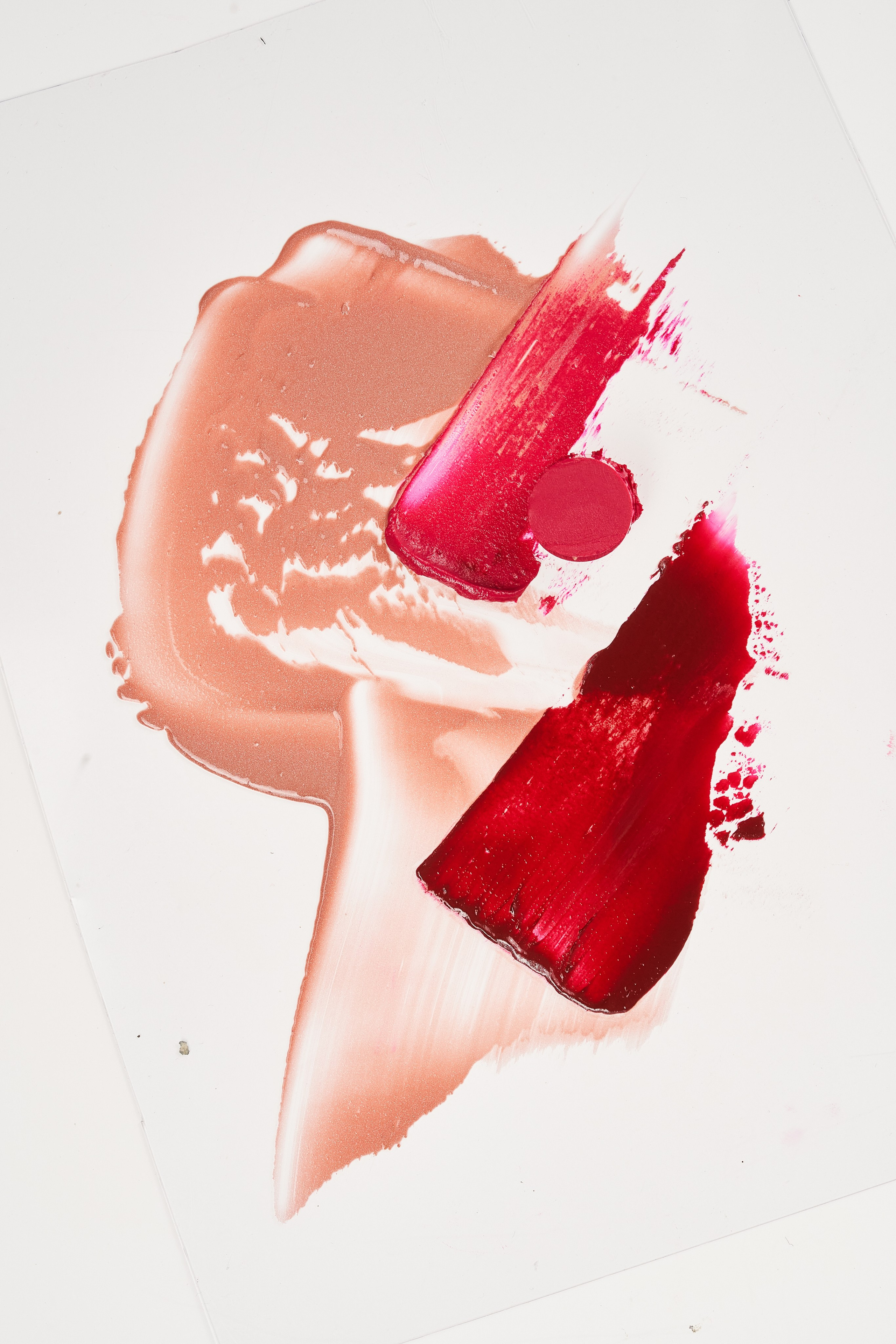
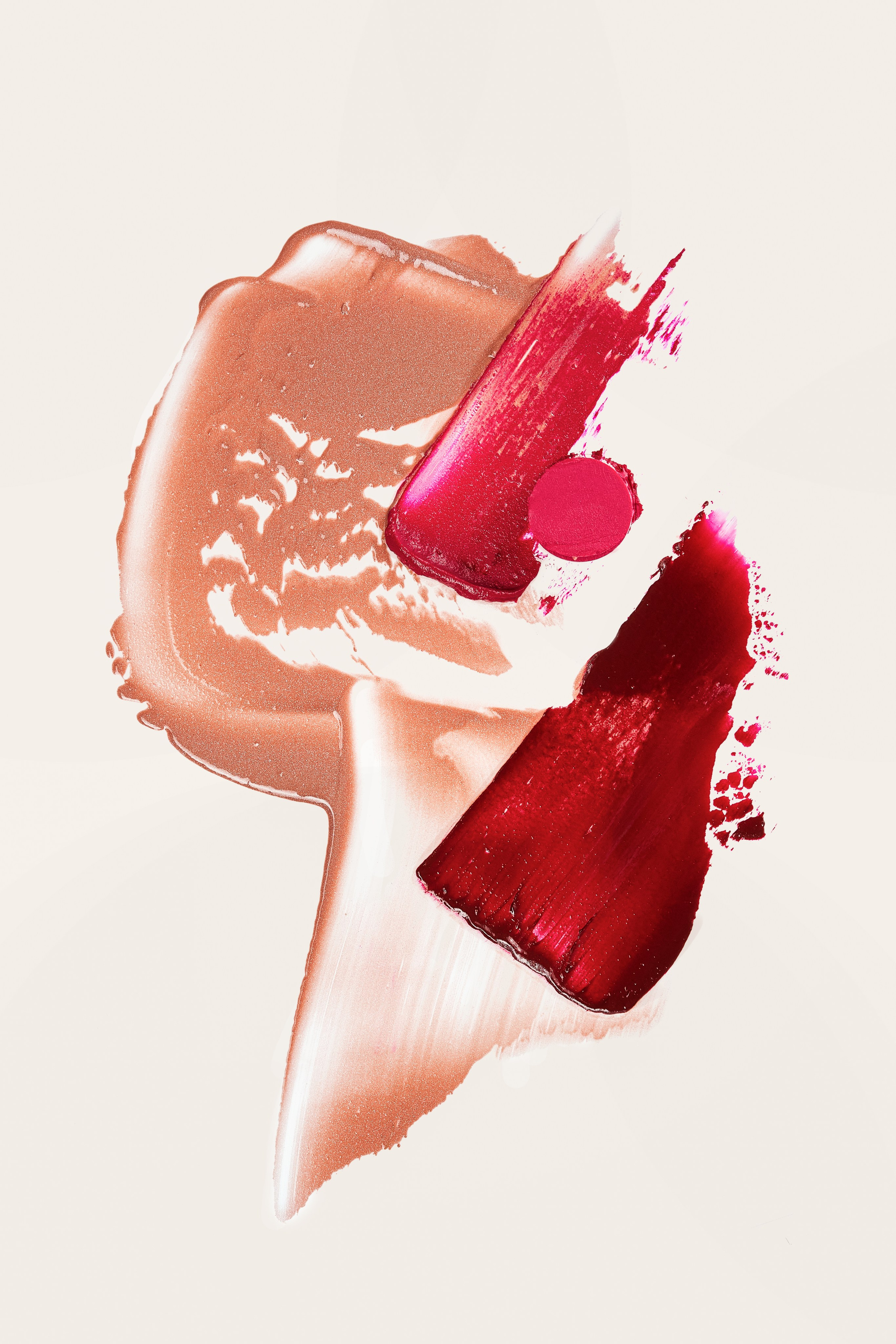
So the order here is always the same: before the full series runs, one frame gets retouched and shown.
It changes the conversation completely. It stops being an argument about words and becomes a decision about something concrete: more texture, less; this shadow yes, this one no; that highlight is distracting.
And the agreement that comes out of it holds for every other image in the project.
When there’s any doubt about the finish, it’s also the fastest way to settle it: the decision gets made by looking at a finished image instead of describing one in words.
What retouching doesn’t do
Worth saying, because the opposite expectation gets expensive.
It doesn’t change the light. The direction of light and the shape of the shadows are decided on set. Afterwards they get adjusted, not invented.
It doesn’t add detail that wasn’t captured. If an area came out with no information, there’s nothing there to recover.
It doesn’t turn a badly prepared product into an immaculate one. A crooked label, dust nobody removed, a crease nobody steamed — all of it can be cleaned up, but it costs retouching time that two minutes of preparation would have saved.
It doesn’t replace a shot that’s missing. If the angle wasn’t shot, it doesn’t exist.
The seven things worth settling first
1 · The retouching level, approved against a real image. Not against adjectives. “Natural” means something different to everyone.
2 · What gets kept and what gets cleaned. Fabric texture, wood grain, marks of use on metal: all of it can stay or go, and it’s better decided beforehand than on seeing it.
3 · Whether the same standard applies to every reference. A catalogue where some images are worked harder than others shows up in the grid, even when each one is fine on its own.
4 · What counts as standard work and what’s quoted separately. Cut-outs on pure white, colour changes, composites: those are different jobs from cleaning an image.
5 · What the colour is checked against. A physical sample, a code, the piece in hand. A phone photo isn’t a reference.
6 · Who approves. One person collecting the comments avoids asking for two opposite things.
7 · What happens if an image doesn’t work. If it doesn’t answer what was agreed, work continues until it reaches the approved result. If it does answer it and what changed is the idea, that’s new work. Worth having that line clear in advance.


In short
The raw file isn’t the photo, it’s the starting point. The final image gets built afterwards, through decisions best made against an example rather than against adjectives.
Which is why no series goes out here without a retouched sample first. It’s cheaper for everyone, and it avoids the awkward conversation at the end.
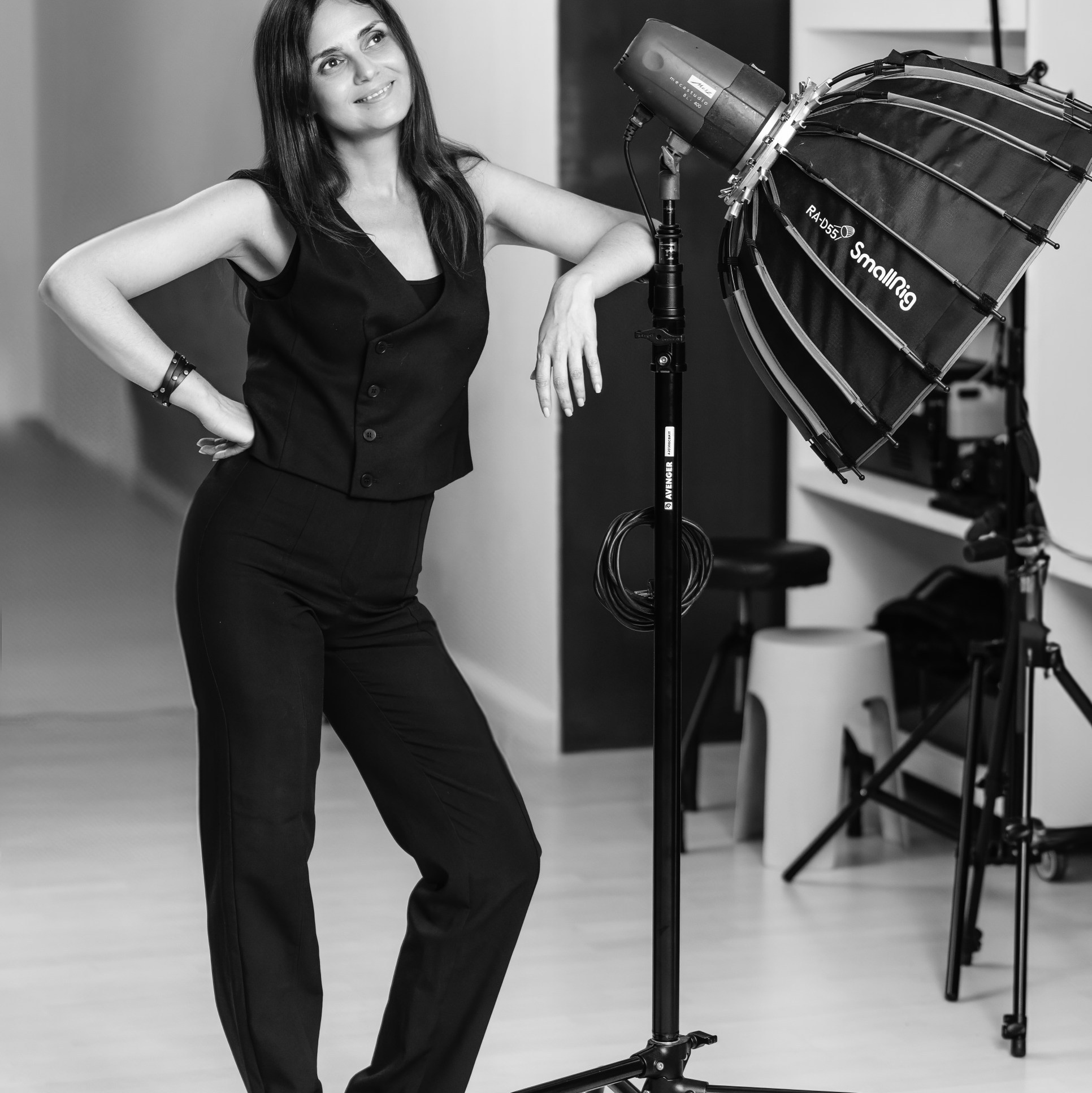
We always run a retouching test on one frame before the series, so the level is agreed on something you can actually look at.
Ten questions before hiring a product photography studio

Where AI works in product photography and where it doesn’t
The shot almost nobody gets right: textures and swatches
Catalog and Campaign
Why your gold comes out looking like yellow plastic
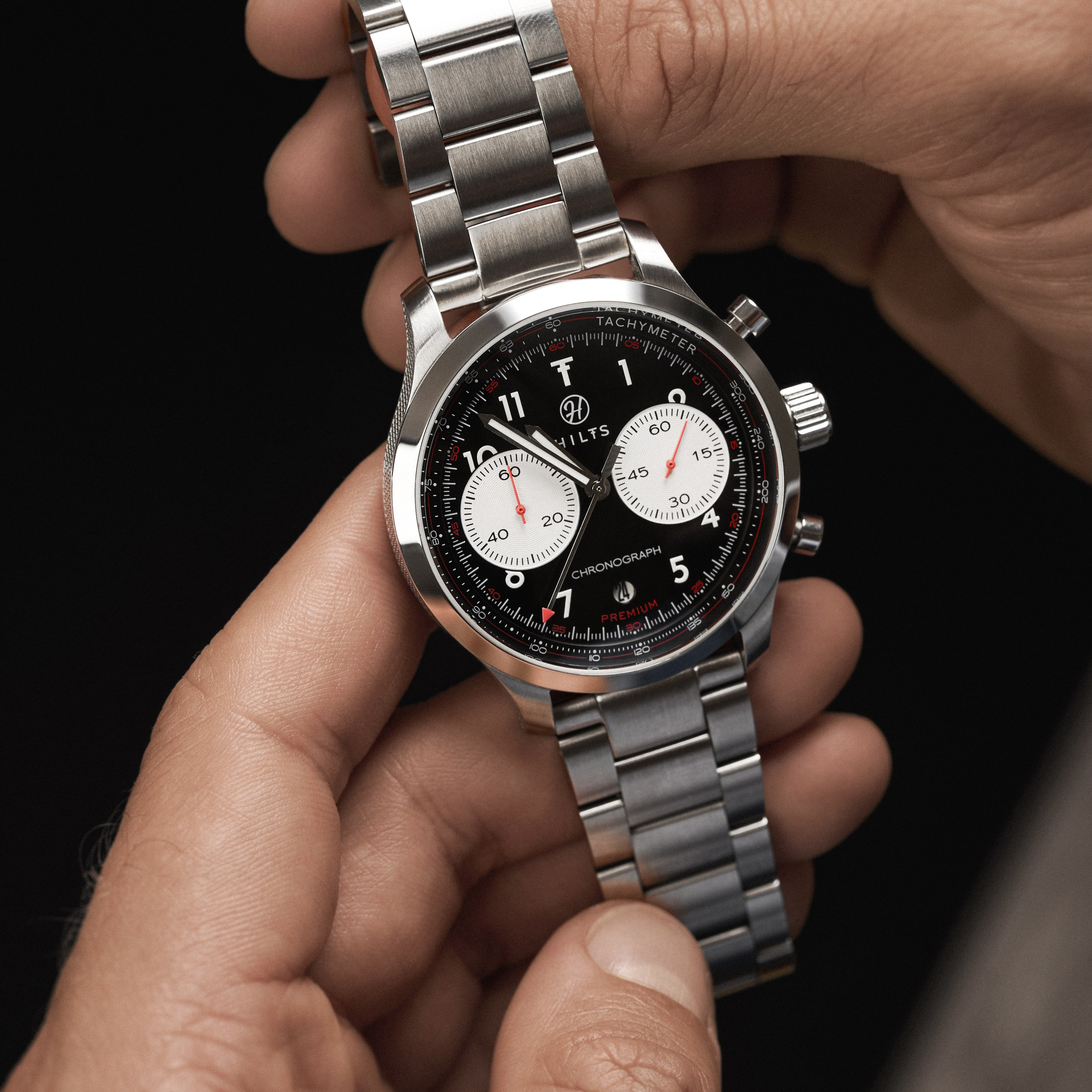
A dial under glass: the problem nobody sees until they do
Why Amazon and Zalando Reject Your Product Photos
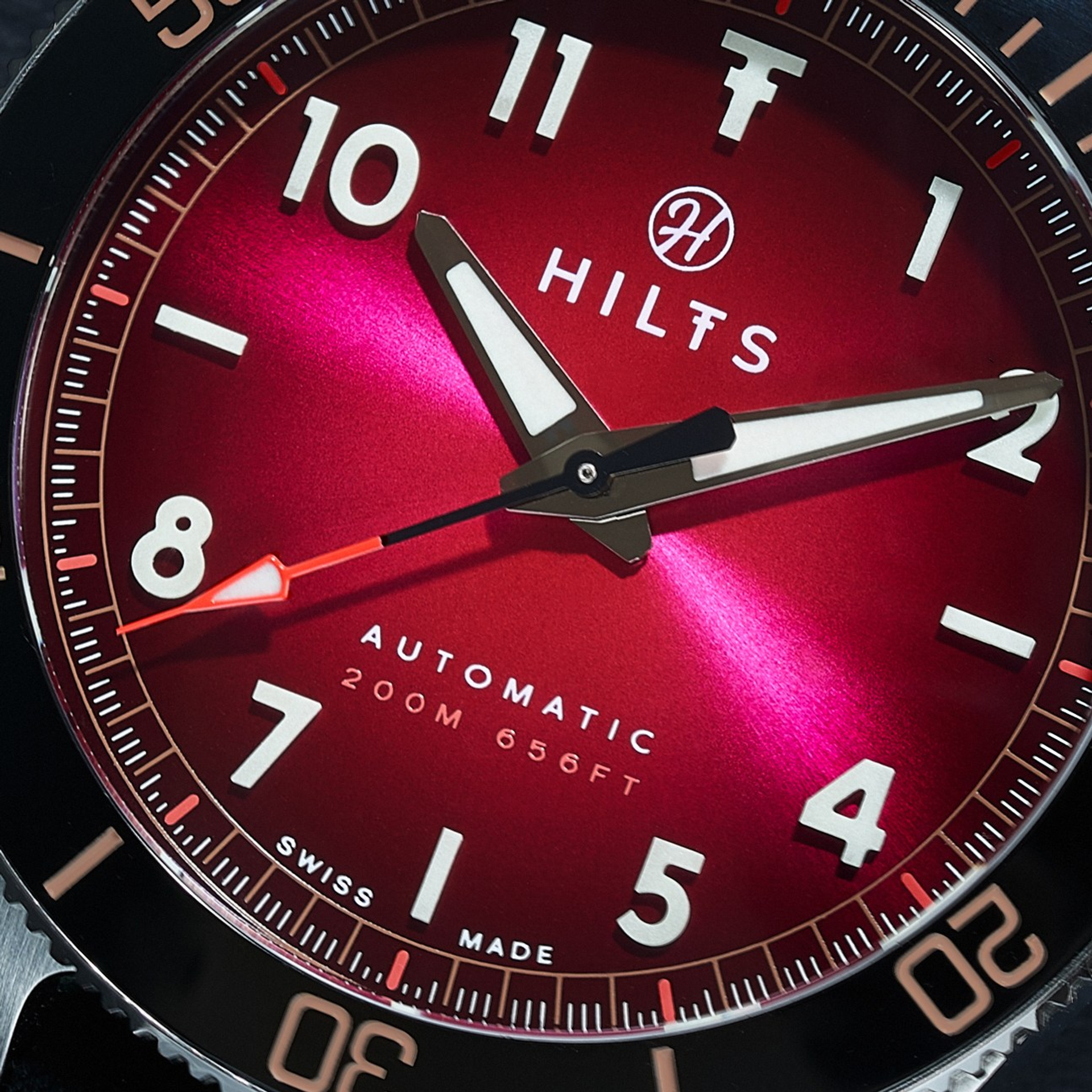
Why Do Watches Show 10:10 in Photos? Myths and the Real Reason
Still Life Photography in Barcelona: Complete Guide
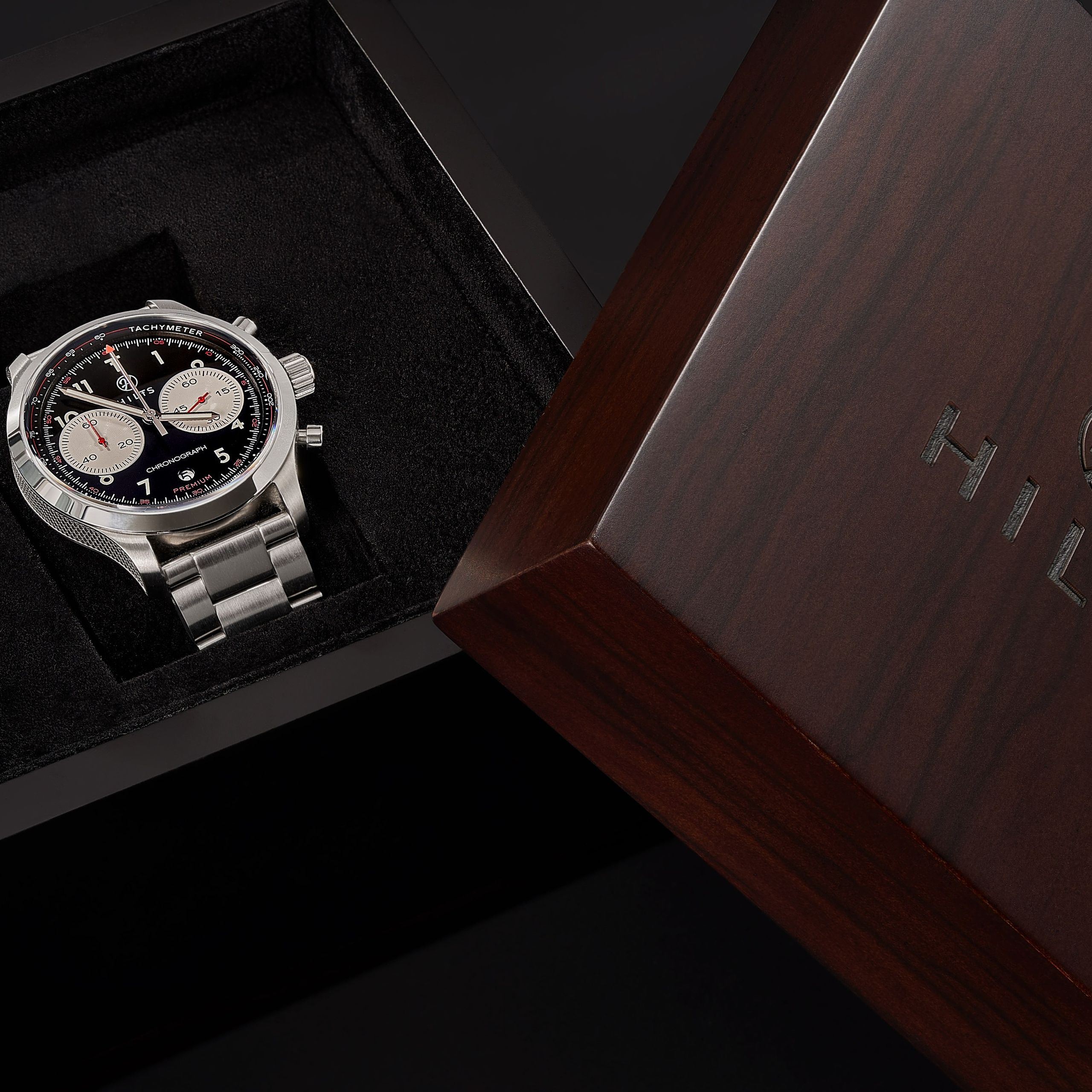
Photography for eCommerce: Keys to Boost Your Online Sales
Product Photography for the Web in Barcelona: A Complete Guide to Improving Your Online Presence
What Does a Product Photographer Do and Why Does Your Brand Need One?
Photography for online stores – sell more by showcasing better.

360 Product Photography: Revolutionize Your Product Presentation