
The question that matters
Before publishing an image, check one basic thing: does it show the product your customer will receive?
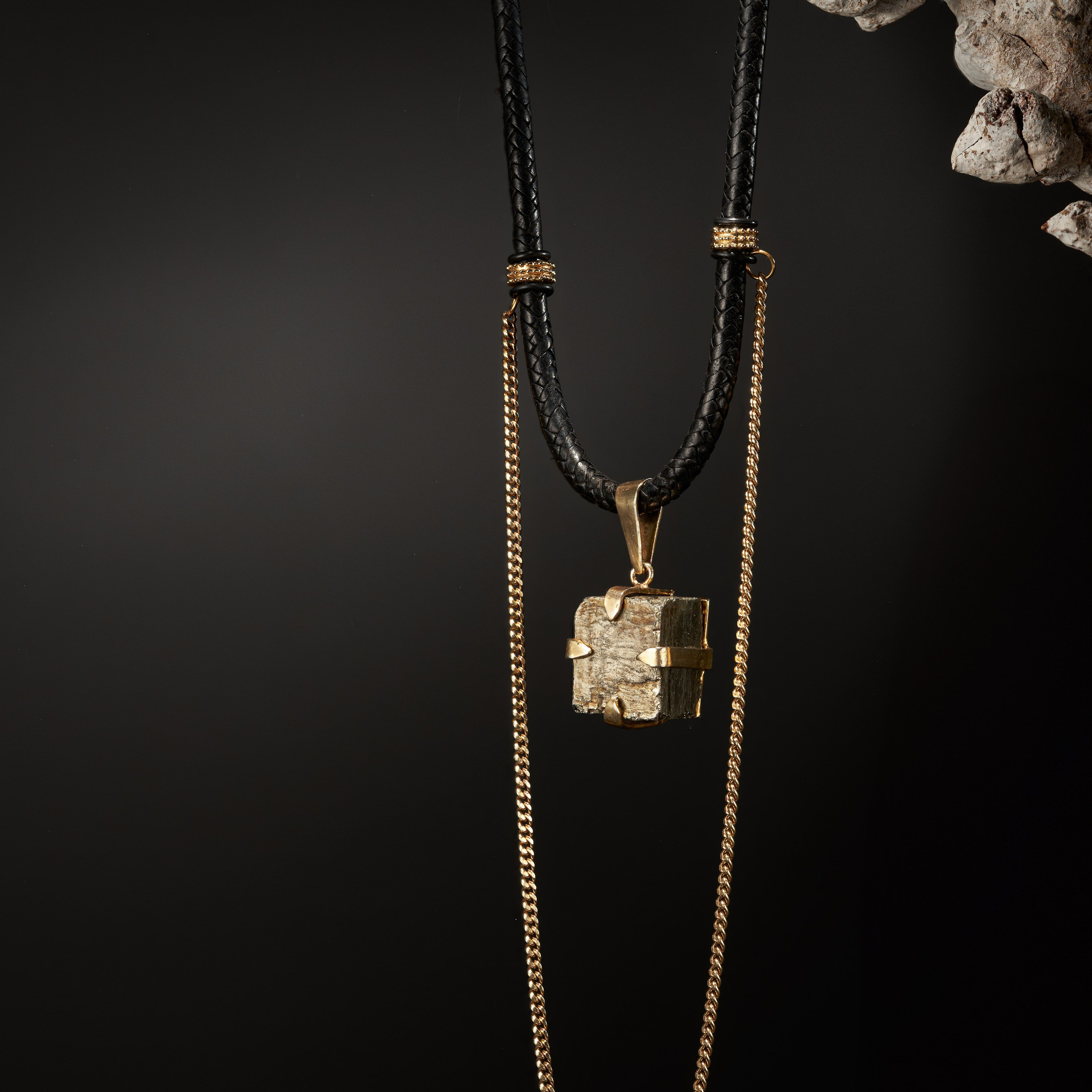
A generated background can change the setting while leaving the item intact. But if the stitching, sole, cap or finish changes, the image no longer represents what you sell.
The difference lies in what you generate and what you preserve from the real product.


Where AI genuinely works
There are four places where it earns its keep.
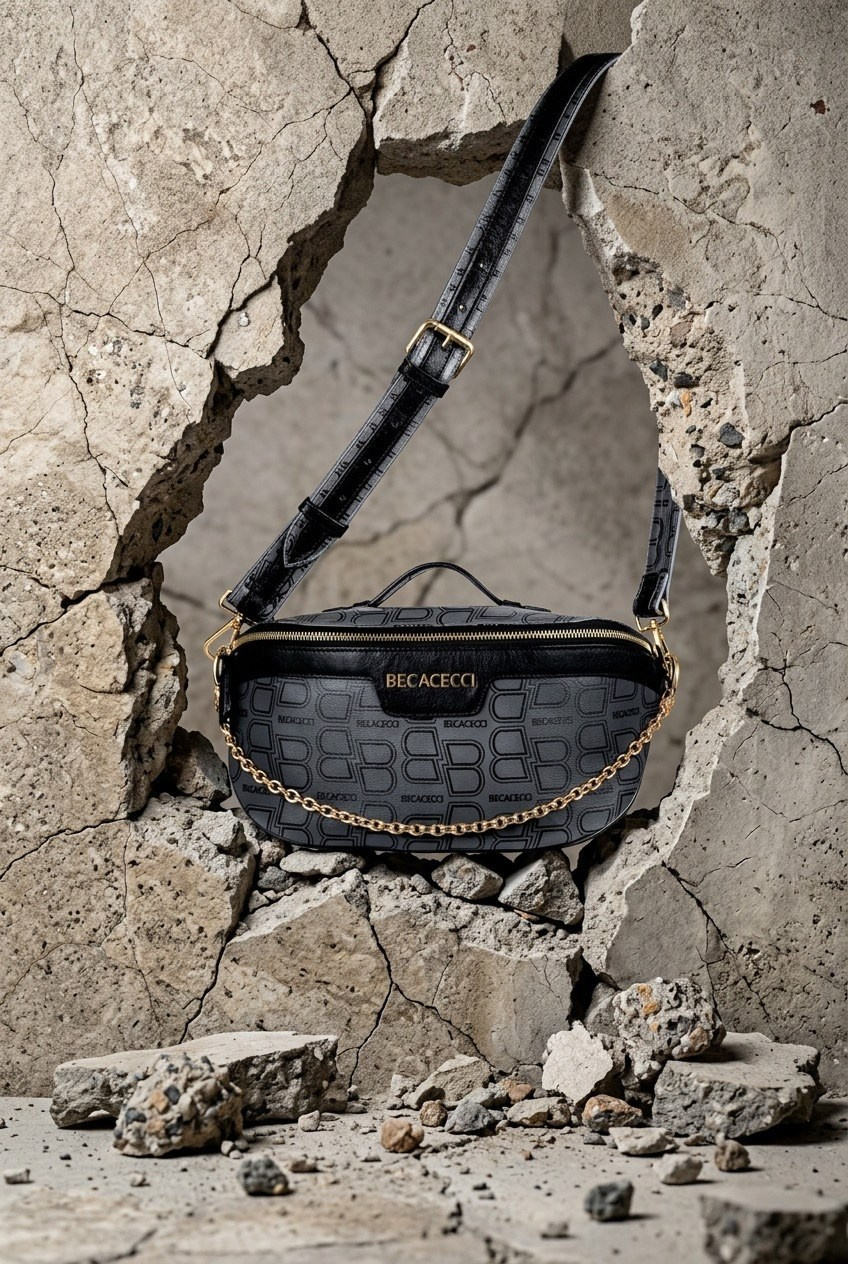
Extending scenes from a real product already photographed. A pair of shoes shot properly can live in twenty different environments without going back to the studio. Shape, colour and detail come from the original.
Social content between launches. Volume that doesn’t have to serve as proof of purchase.
Background and seasonal variations. The same still life in summer and at Christmas.
Concept tests before a campaign. Showing three directions without building three sets.
The quality of the result depends on the source material. If the original photo does not capture colour, shape or detail accurately, generation can repeat those errors or introduce new ones.
That is why our AI content projects begin with a real product shoot. We then check each generated image against the original and record where generation has been used.
In our AI content work the starting point is always a real shoot of the product. And we log which images involved generation, so you can make that call with actual information.
Where real photography is needed
The main product listing image.
The priority is to represent the item accurately. A real photograph provides a reliable starting point for showing its shape, proportions, colour and contents.
Materials and finishes that define the product.
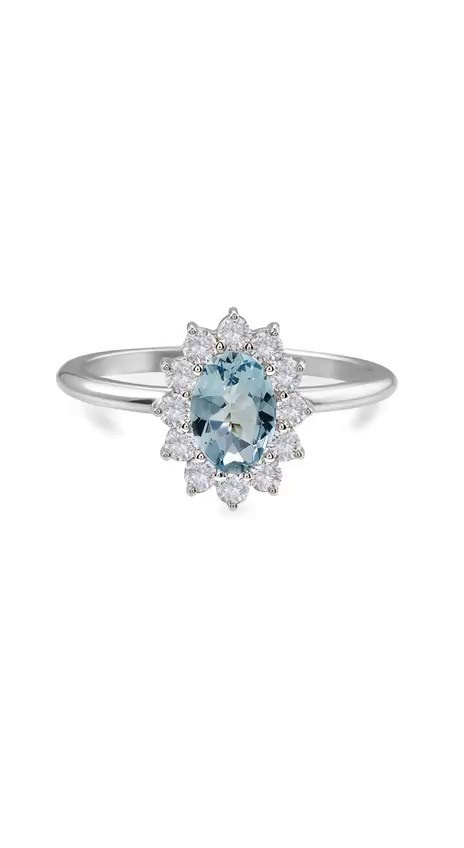
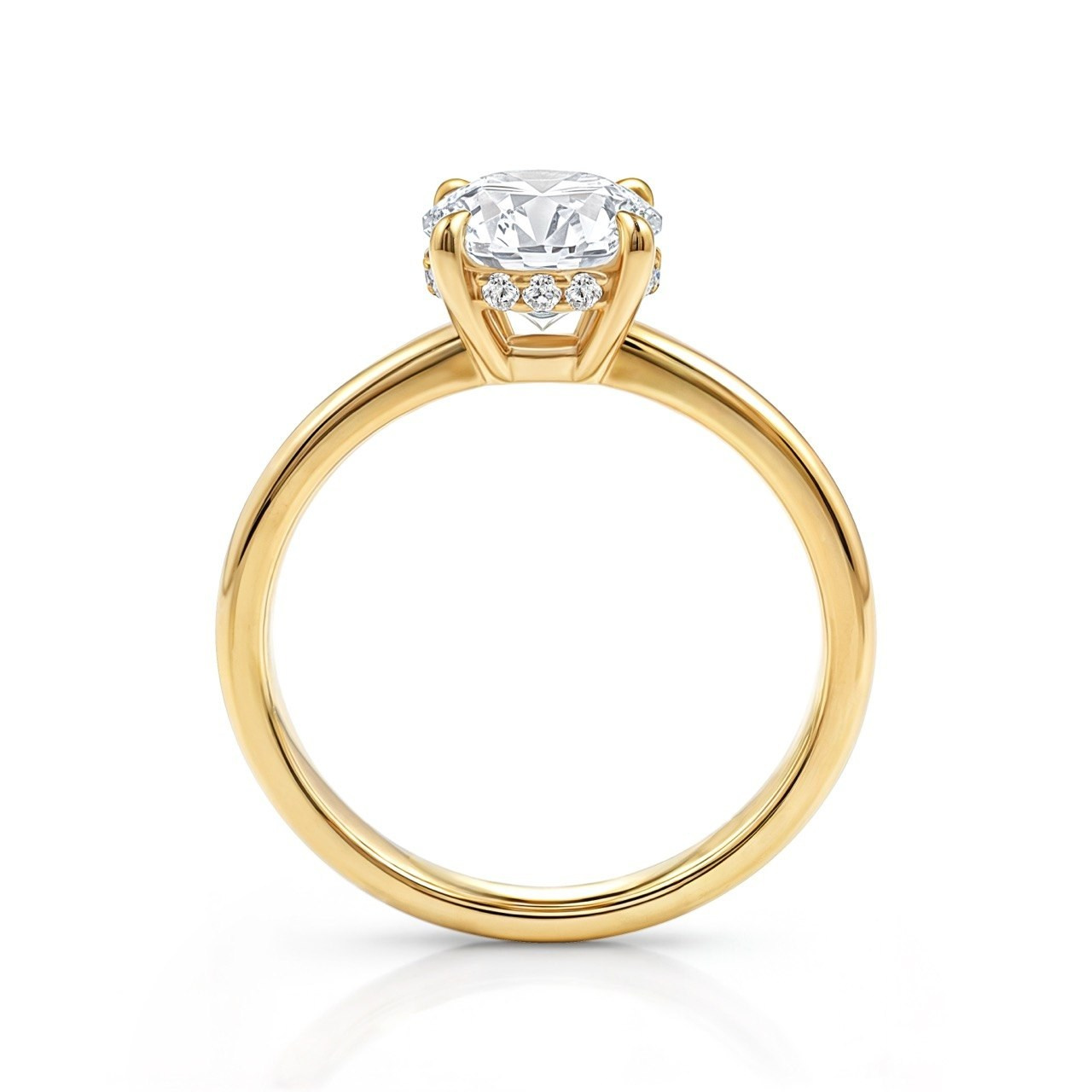
Patent leather, polished metal and stones change with the light. When those reflections are part of what you sell, they should be photographed and preserved in the final image.
Details that decide the purchase.
Stitching, fabric texture, fastenings, engravings and finishes. These are the areas buyers zoom into to assess the product, and they require a real reference.
Products without a physical sample.
Generation can help visualise an idea before production. That image should be treated as a concept, rather than a verified photograph of the finished item.
Textures and swatches. A texture is how a substance behaves under one particular light, and that’s where generation improvises. It’s set out in full in the shot almost nobody gets right.
When AI works out more expensive than shooting
It happens more than people expect.
It costs more when the product line has heavy reference variation: sixty models that resemble each other mean correcting every image by hand, and the correction time overtakes shooting the collection in one go.
It costs more when the output has to be redone for accuracy. Two rounds of corrections across twenty generated images cost more than the shoot day you were avoiding.
And it costs more when the return arrives. That cost isn’t in anyone’s budget.
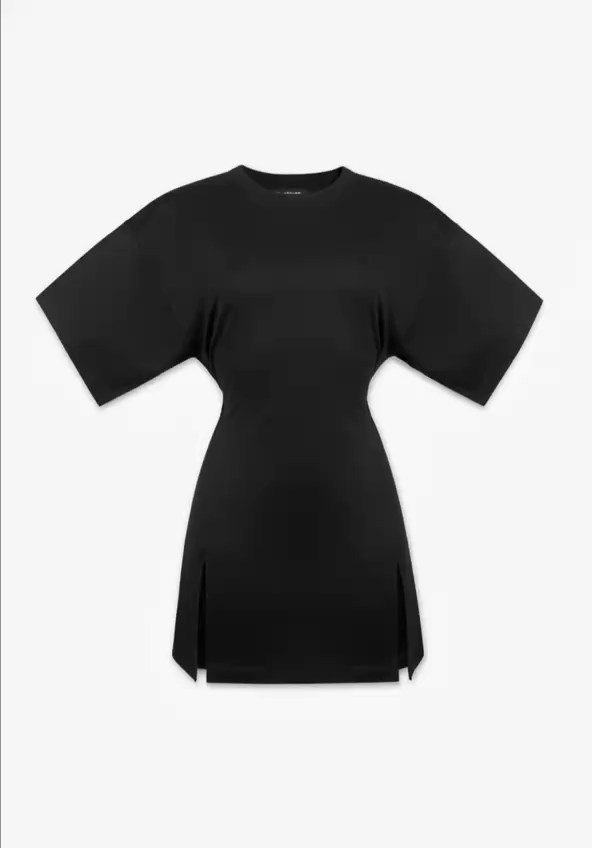
How to decide
| Use | AI? | Why |
|---|---|---|
| Marketplace main image | Only if it's exact | The rule looks at the result, not the method |
| Environments for the same reference | Yes | Starts from real material |
| Detail and texture macro | Better not | It's exactly what the buyer zooms into |
| Seasonal backgrounds | Yes | Doesn't decide the purchase |
| Jewellery and watches | With care | Metal and stone get approximated: check against the original |
| Feed between launches | Yes | Volume, not proof of purchase |
| Product with no physical sample | No | With no real reference it resembles yours without being yours |
| Pre-campaign concept | Yes | Not published as product |
What to ask before commissioning generation
- What real material do the images start from?
- Who checks accuracy of shape, colour and detail, and against what?
- Is it logged which images involved generation?
- What happens if a platform rejects an image?
- Do the files work for the listing, or only for social?
If the source material does not let you verify colour, shape and detail, ask for a photograph that does before proceeding.
Before publishing
Check the platform’s current rules and any transparency requirements that may apply to generated content, especially when it includes AI-generated people.
Identifying synthetic content and representing the product accurately are separate issues: a label does not correct an inaccurate image. Both should be checked before publication.
First the product. Then the possibilities.
A good shoot establishes the foundation: shape, colour, materials and detail. From there, AI can expand the possibilities with new settings, seasonal variations and content between launches.
In our studio, we combine real photography and generation according to what each image needs. The aim is to create more useful content while preserving the product’s identity.
We build generated work from a real shoot of the product, with shape, colour and detail inherited from the original.
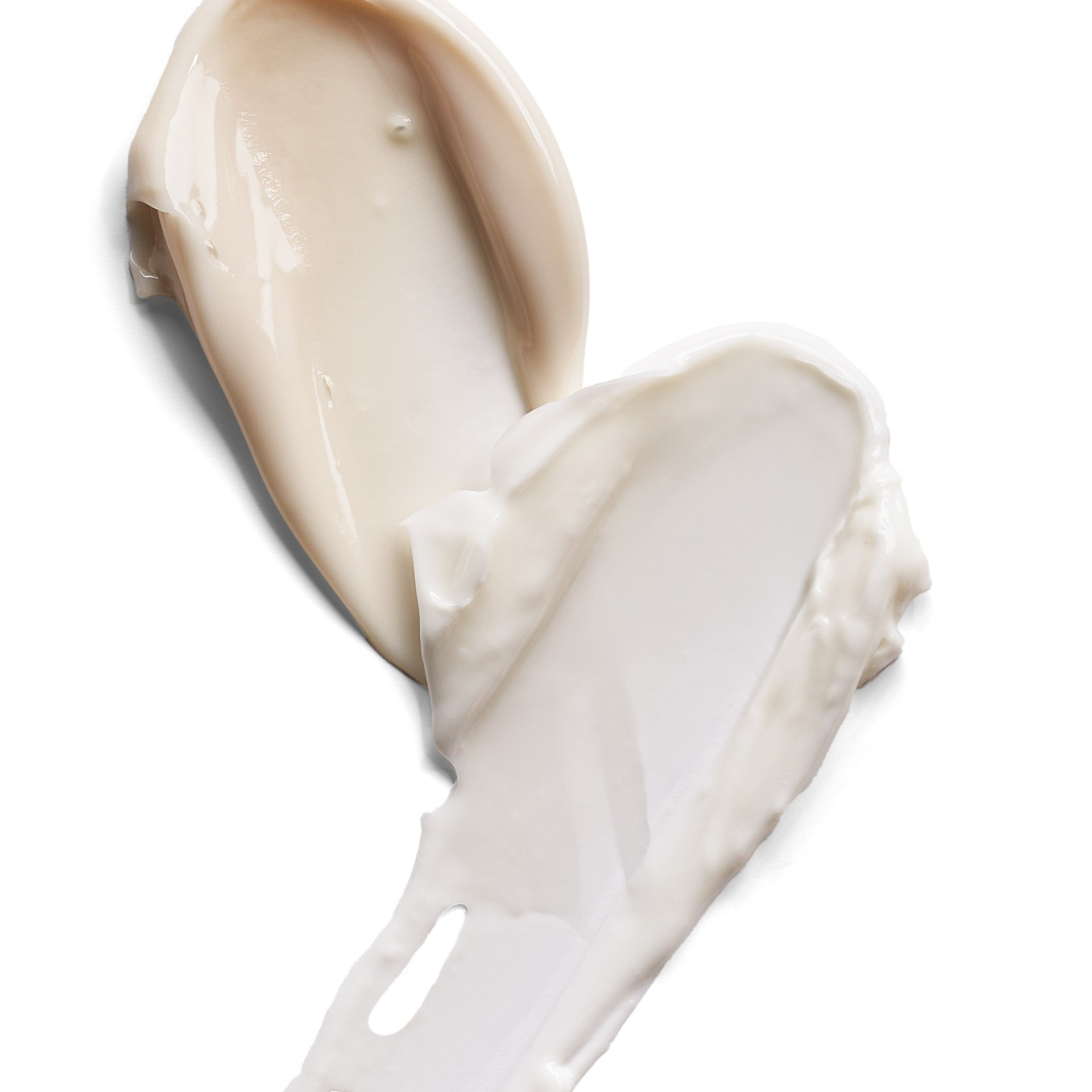
The shot almost nobody gets right: textures and swatches
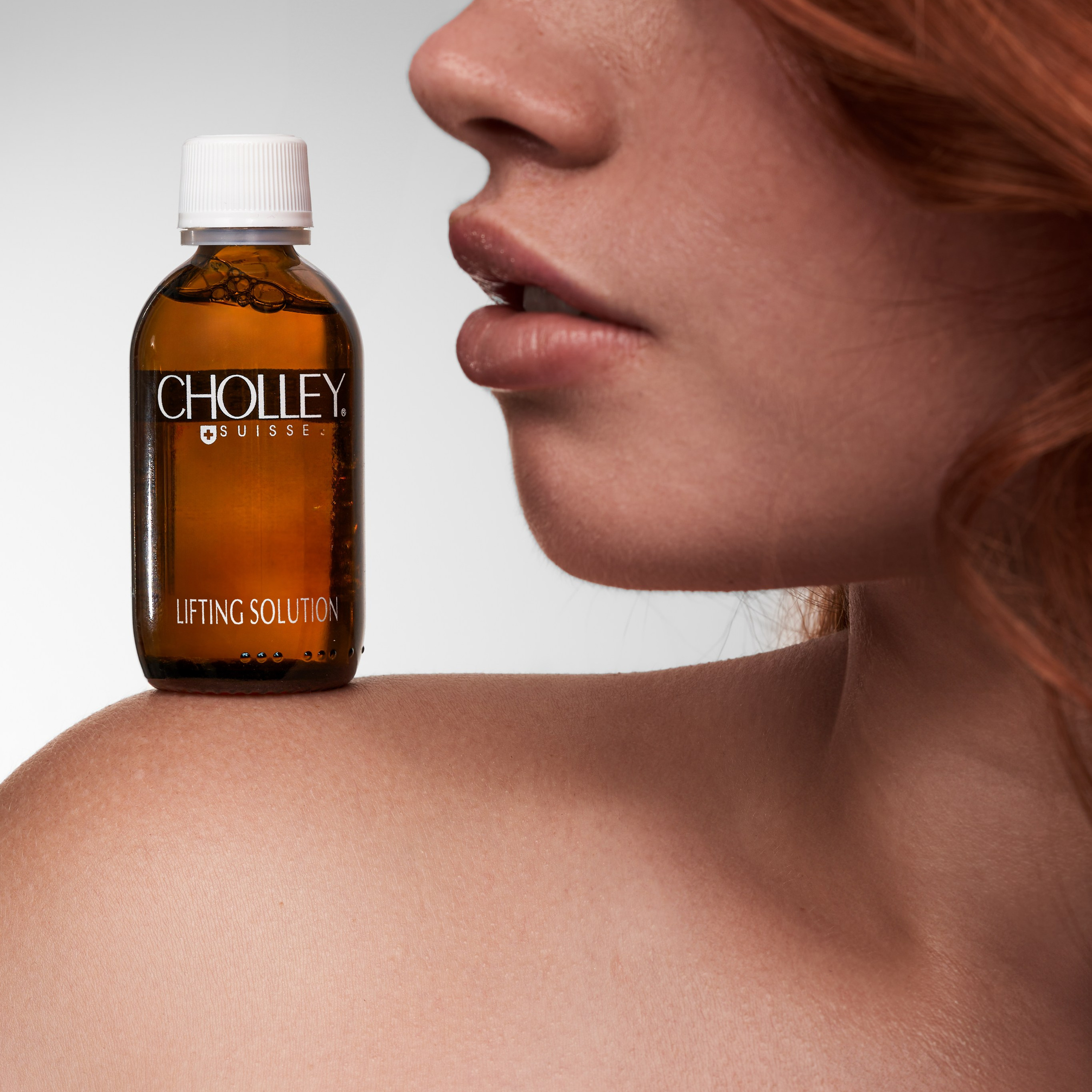
Catalog and Campaign
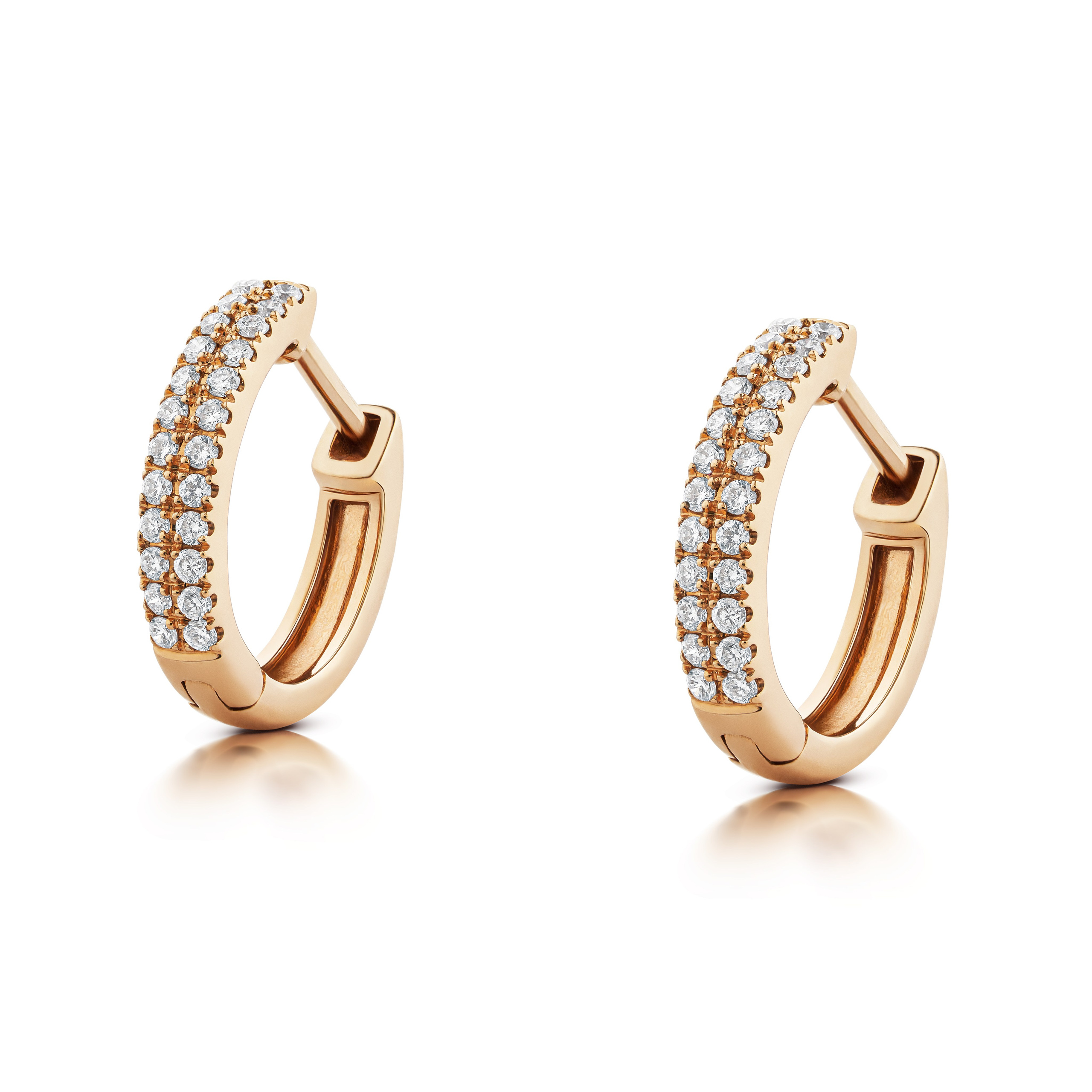
Why your gold comes out looking like yellow plastic
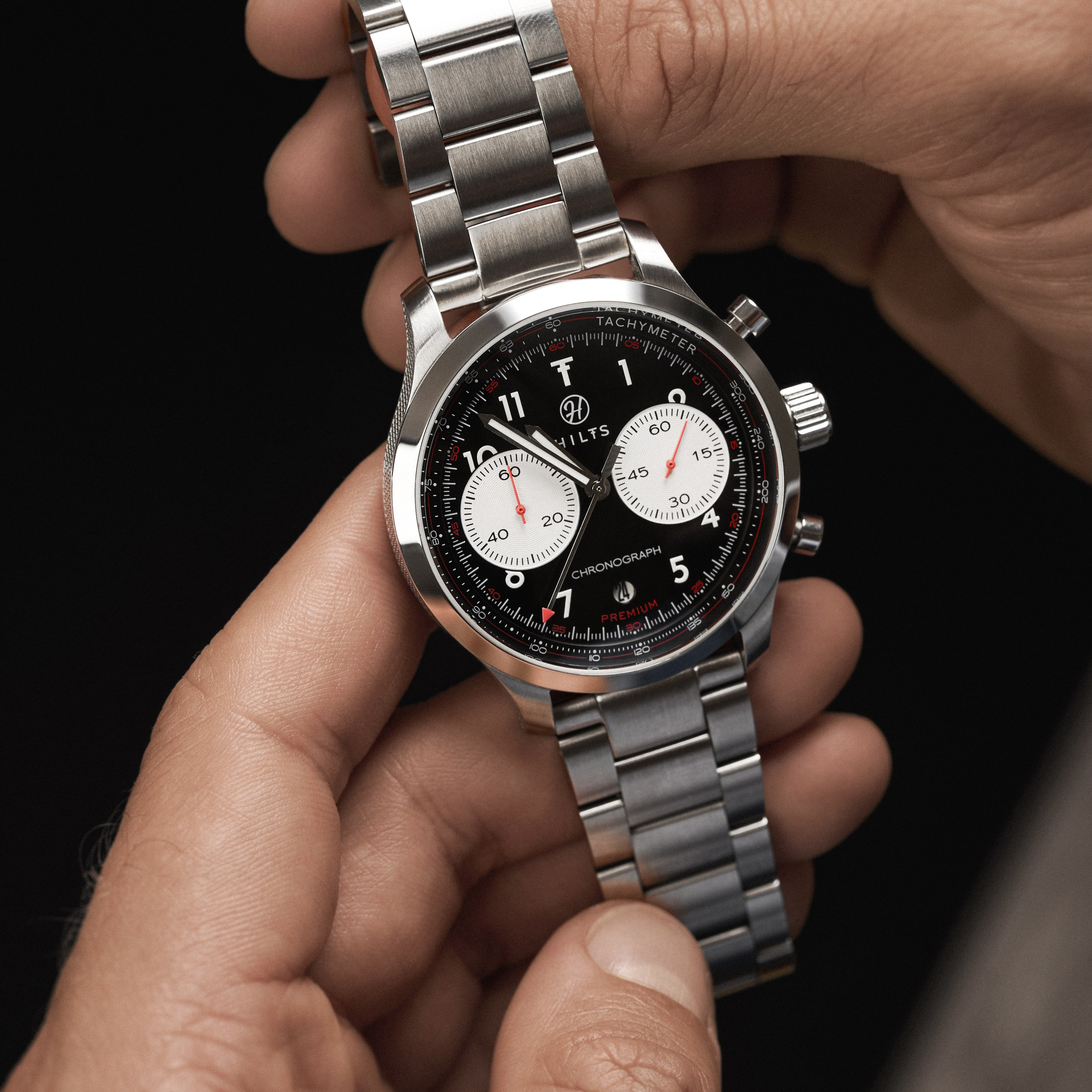
A dial under glass: the problem nobody sees until they do
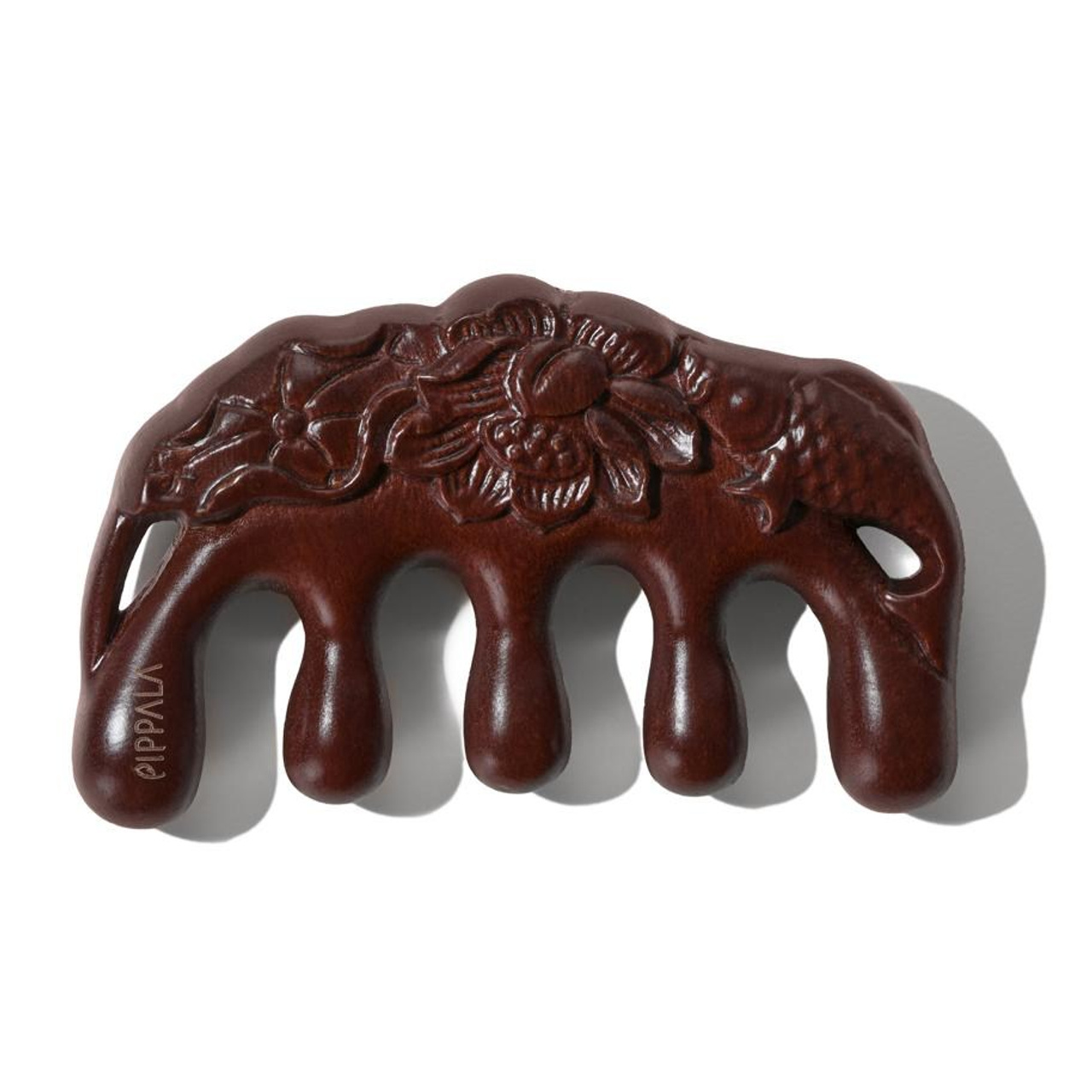
Why Amazon and Zalando Reject Your Product Photos
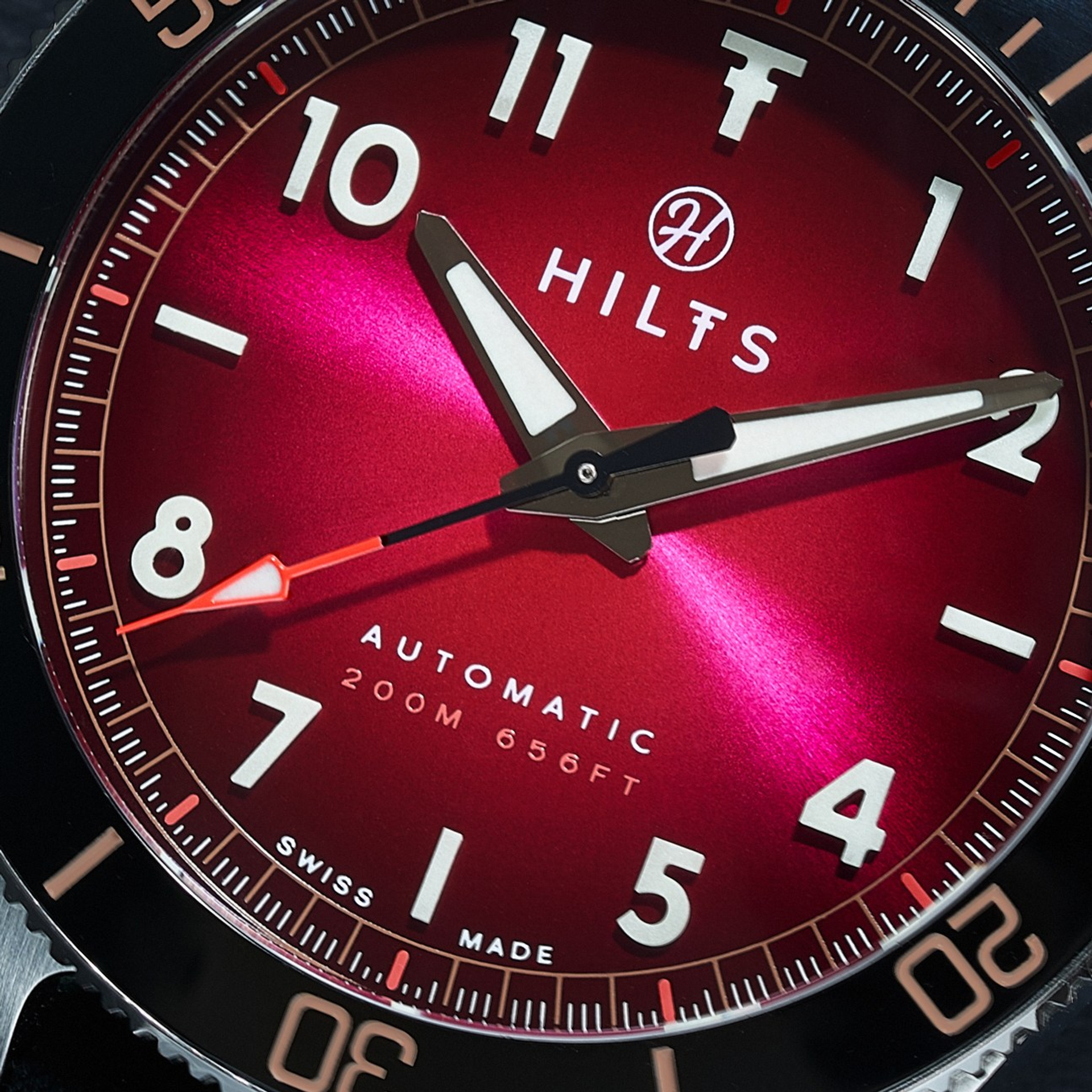
Why Do Watches Show 10:10 in Photos? Myths and the Real Reason
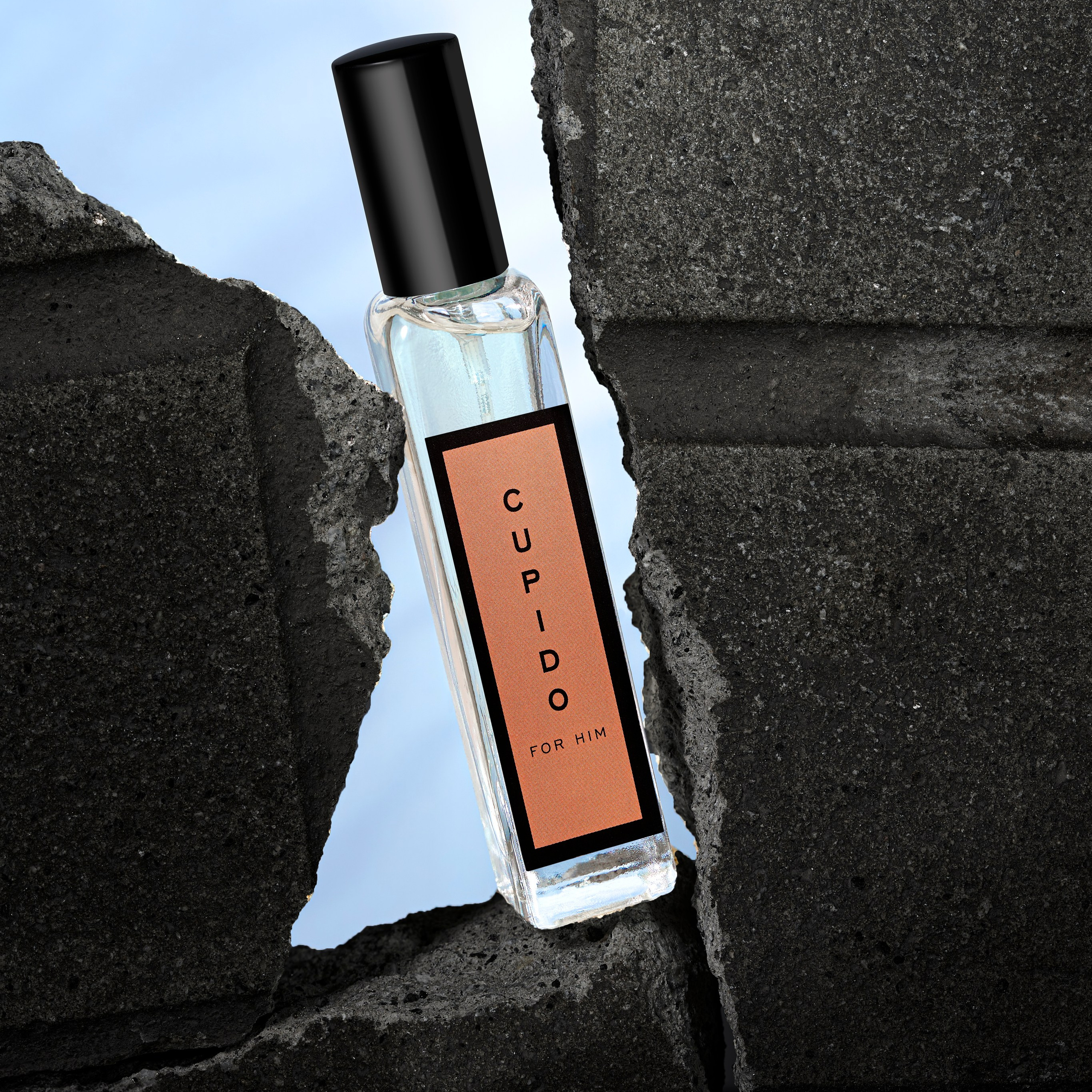
Still life photography in Barcelona
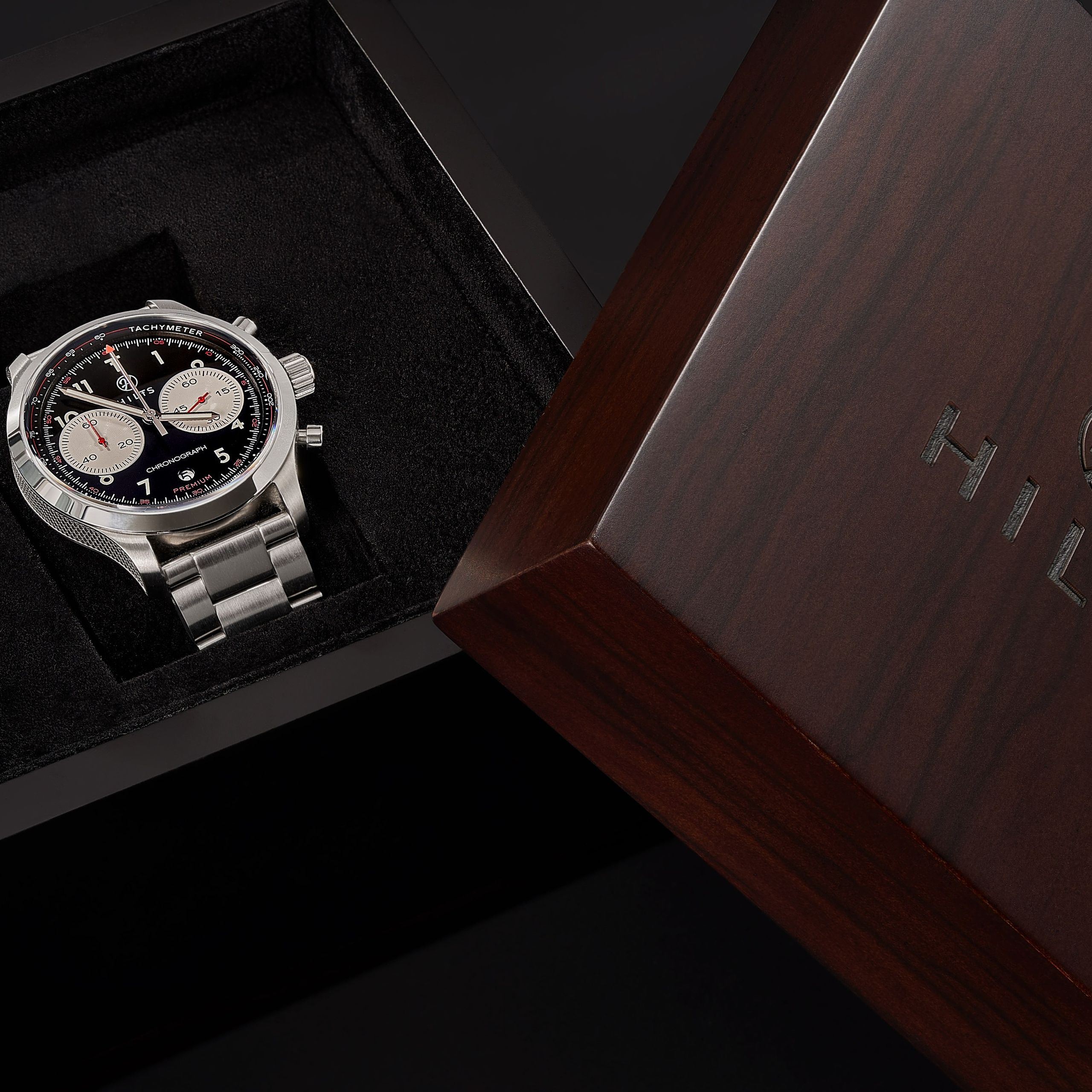
Product Photography for the Web in Barcelona: A Complete Guide to Improving Your Online Presence
Professional Product Photos: What They Change in Your Sales
Photography for online stores – sell more by showcasing better.
360 Product Photography: Revolutionize Your Product Presentation

How to Take Stunning Product Photos at Home: Creative Photography Tips
Fashion and Apparel Photography for Catalogs and Lookbooks: Why Professional Images are Key for Your Brand