

Does this image have to inform, or does it have to provoke?
A catalogue photo answers questions: what it looks like, what colour, what size, what finish. It gets looked at when the buyer is already deciding, on the listing, card half out.
A campaign photo answers nothing. It creates an intention that didn’t exist before. It gets seen when nobody is shopping: mid-scroll, on a billboard, between two videos.
Two jobs, two objectives, two metrics. And the expensive mistake is asking one image to do both.
What changes in practice
| Catalogue | Campaign | |
|---|---|---|
| Goal | Inform | Provoke |
| Where it lives | Listing, marketplace | Social, outdoor, press |
| Background | White or neutral | Built |
| Product in frame | Fully dominant | Can be small |
| Volume | Many references | Few images |
| Prior concept | Not needed | Half the work |
| Usage rights | Simple | Defined per channel |
| What you're buying | Coverage | An idea, executed |
The row that surprises people is volume. A campaign can be three images. And those three cost more than sixty listings, because what’s being paid for isn’t the shutter.
What you’re paying for in a campaign
Here’s the part that rarely gets explained before the invoice.
- Concept. Someone decides what story the image tells, and why that one rather than another. Before the camera is touched.
- Art direction. Palette, materials, references, the coherence between the three images.
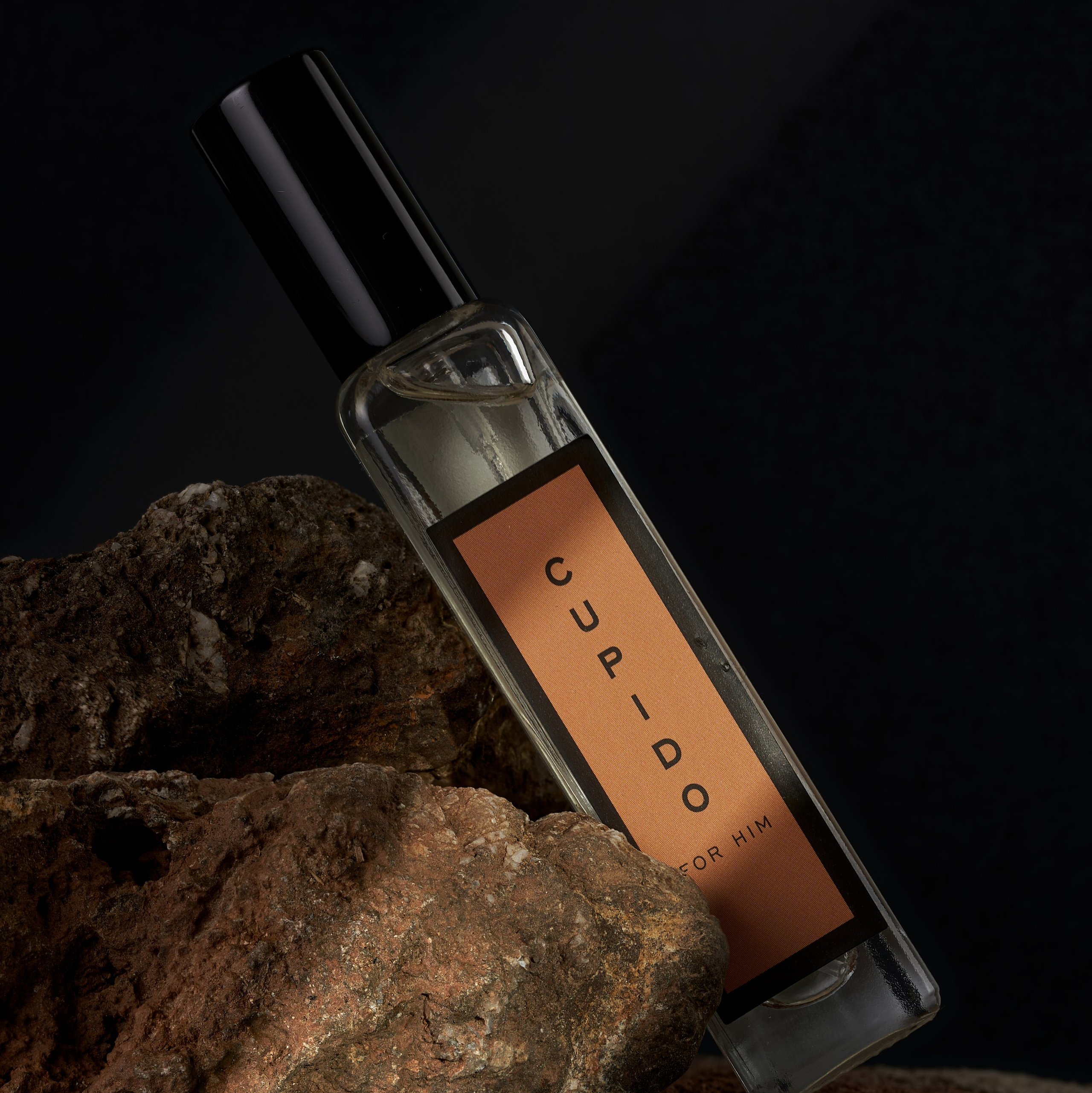
- Set. A background that’s built, not chosen. It might be a wall, a surface, a structure.
- Props. And there are two distinct categories: bought and built. Bought props get sourced and hired. Built props get fabricated for that image, because they don’t exist. It’s the part no competitor in Barcelona offers, and the part that makes possible an idea that would otherwise get dropped at the brief.
- Casting and rights, if there’s a person in frame.
- Compositing in post, which is not listing retouching.
An advertising shoot day is the visible tip of all that. What gets commissioned is the whole process, and the breakdown is on the advertising photography page.






How the risk comes out of a creative project
Any brand’s reasonable fear is paying for an idea and not liking it.
That gets solved before shooting: two concepts with visual references and a fixed price, presented and chosen by the client. If neither convinces, it gets adjusted there, on paper, where changing costs an afternoon rather than a studio day.
What doesn’t happen is shooting first and showing afterwards. A shoot without an approved concept turns the review into a negotiation about taste, which is where projects and relationships get lost.
Which one you need now
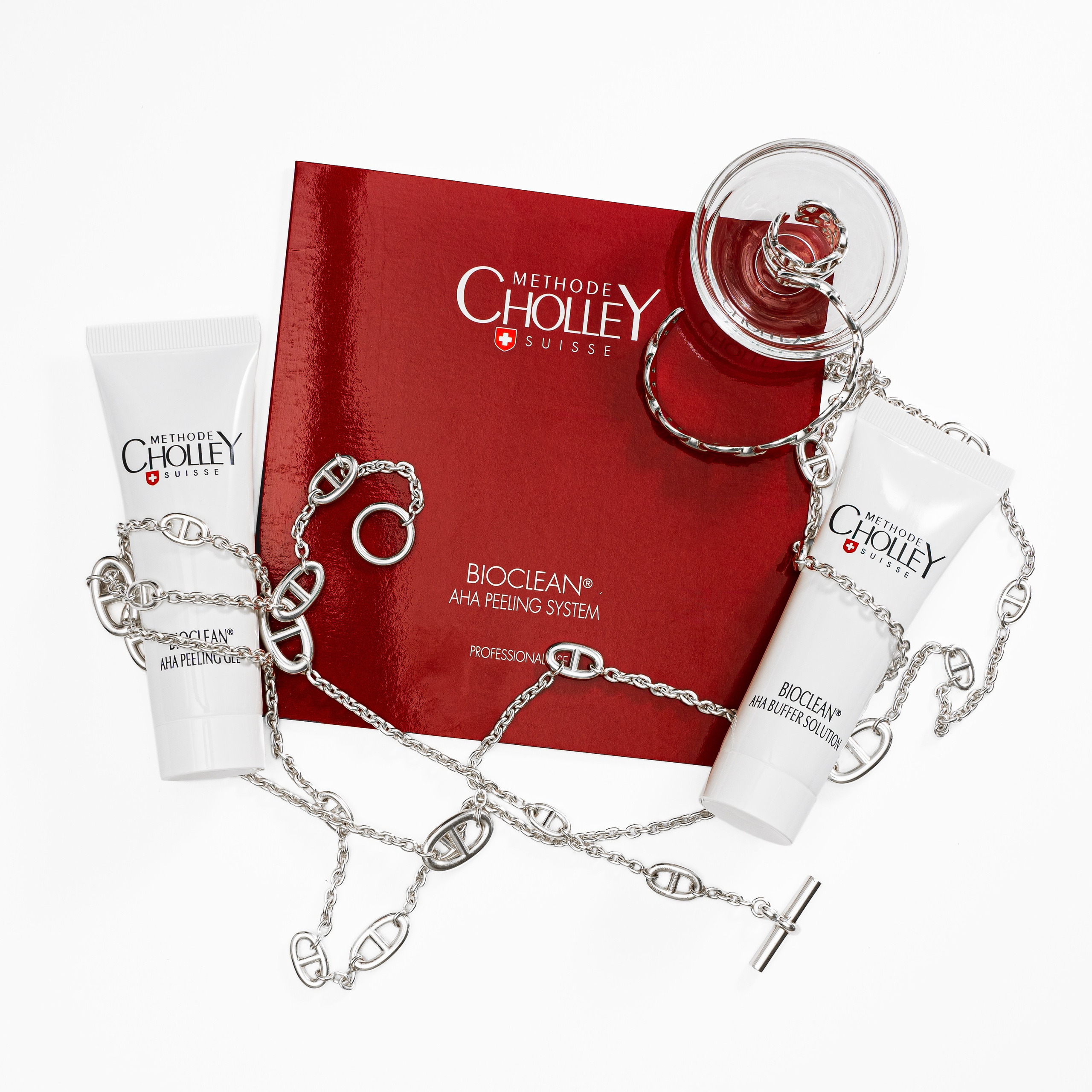
You need catalogue if: you sell on a marketplace, you’re launching a collection with many references, your listings have phone photos, or “it isn’t like the picture” returns worry you.
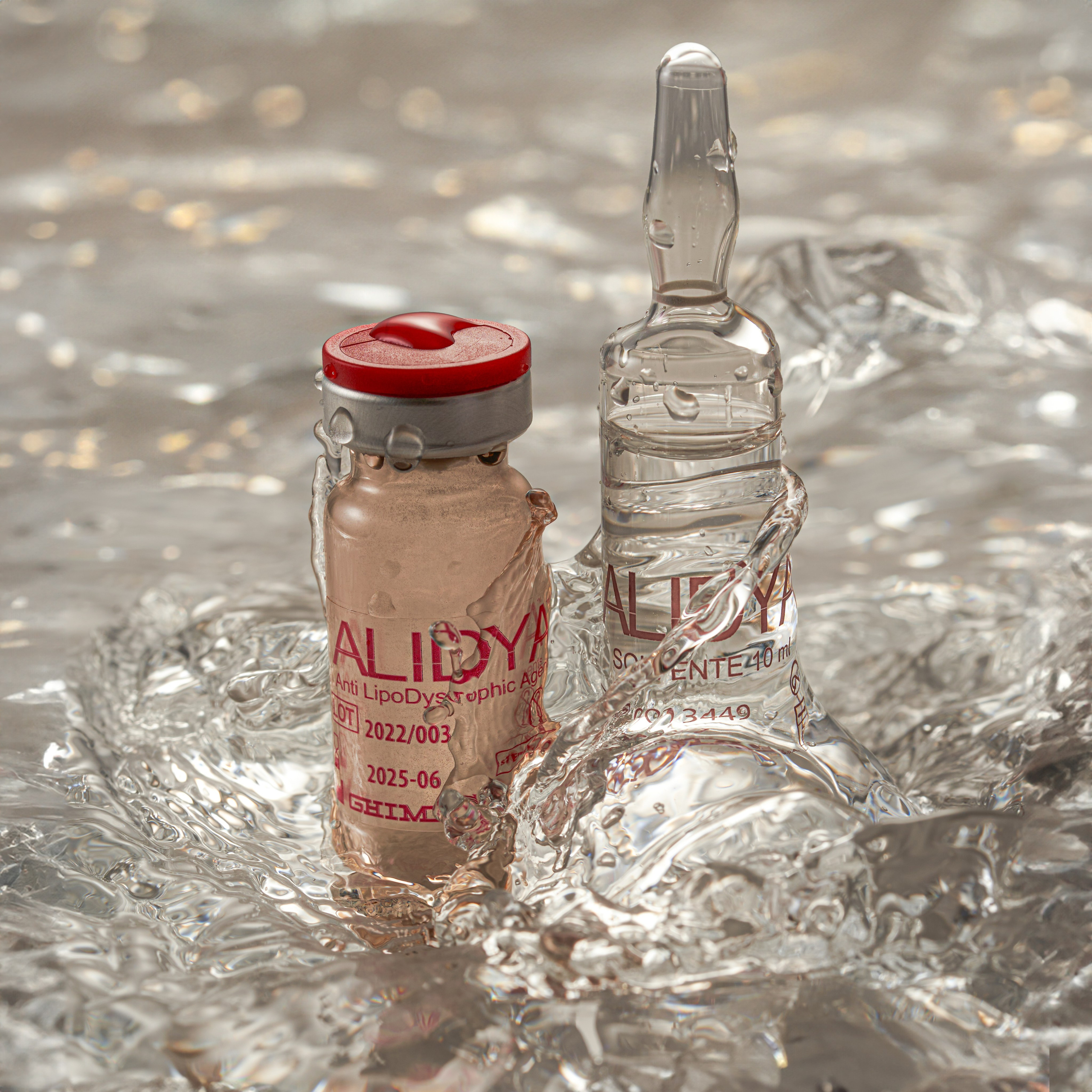
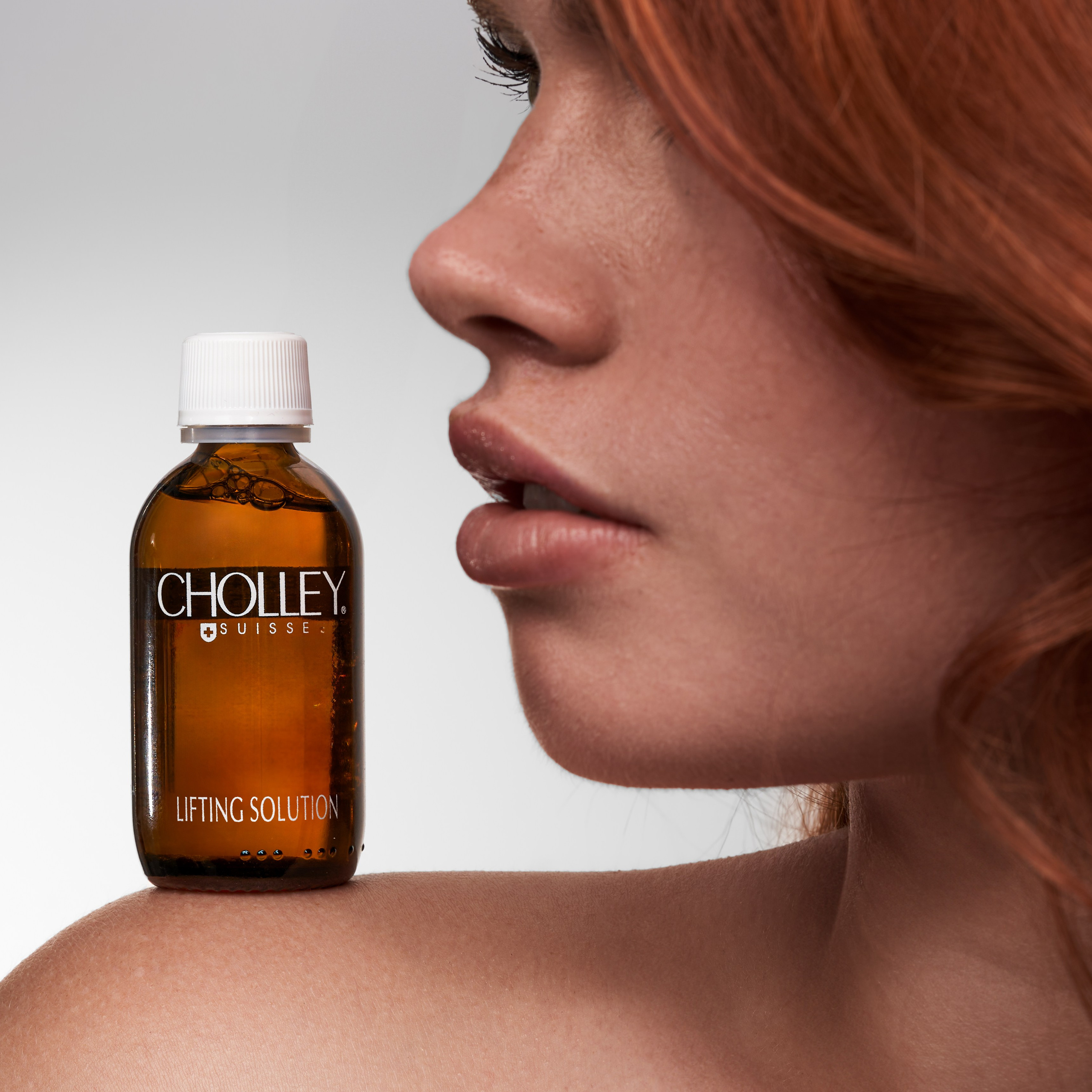
You need campaign if: you’re running paid advertising, entering a market, shifting positioning, raising prices, or your product competes on desire rather than specification.
You need both, in this order: catalogue first. A campaign driving traffic to weak listings converts worse than running no campaign at all. It’s money spent bringing people somewhere that puts them off.
That order holds nearly always, and it’s the recommendation even when it means delaying the more expensive work. If the listings aren’t there, start with product photography.
What to bring to a campaign brief
- Where exactly is it going to be published? Name the channels
- What format do you need: vertical, square, horizontal, or all three?
- Is there a previous campaign to break from or continue?
- What does the customer buy when they buy this? Not what it is — what they buy
- Is there a fixed message or claim the image has to carry?
- What’s the budget for the whole project, not just the photography?
- When does it launch, and what depends on that date?
The fourth is the only hard one, and it’s the one that decides the concept. “Buys a bag” is no use. “Buys the feeling of having treated herself” is already a direction.
The closing warning
A campaign doesn’t fix a product nobody wants, and a flawless listing doesn’t sell something nobody knows exists.
They’re two parts of the same machine. What costs money is asking for one while believing you’re asking for the other, and finding out at the review.
How both are structured and what each shoot day includes is on the pricing page.
We present two concepts with references and a fixed price before shooting. Set design and custom prop building when the idea calls for it.
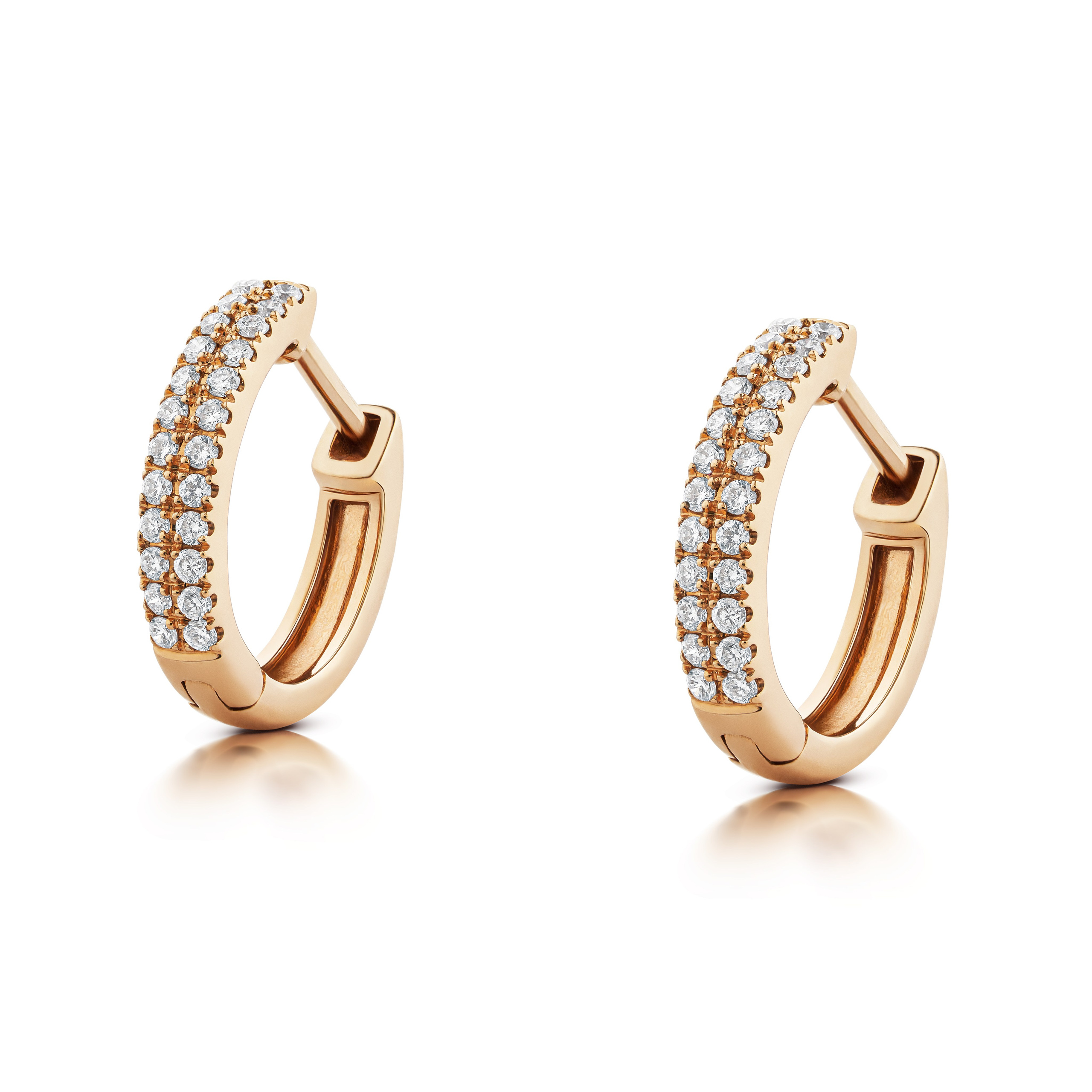
Why your gold comes out looking like yellow plastic
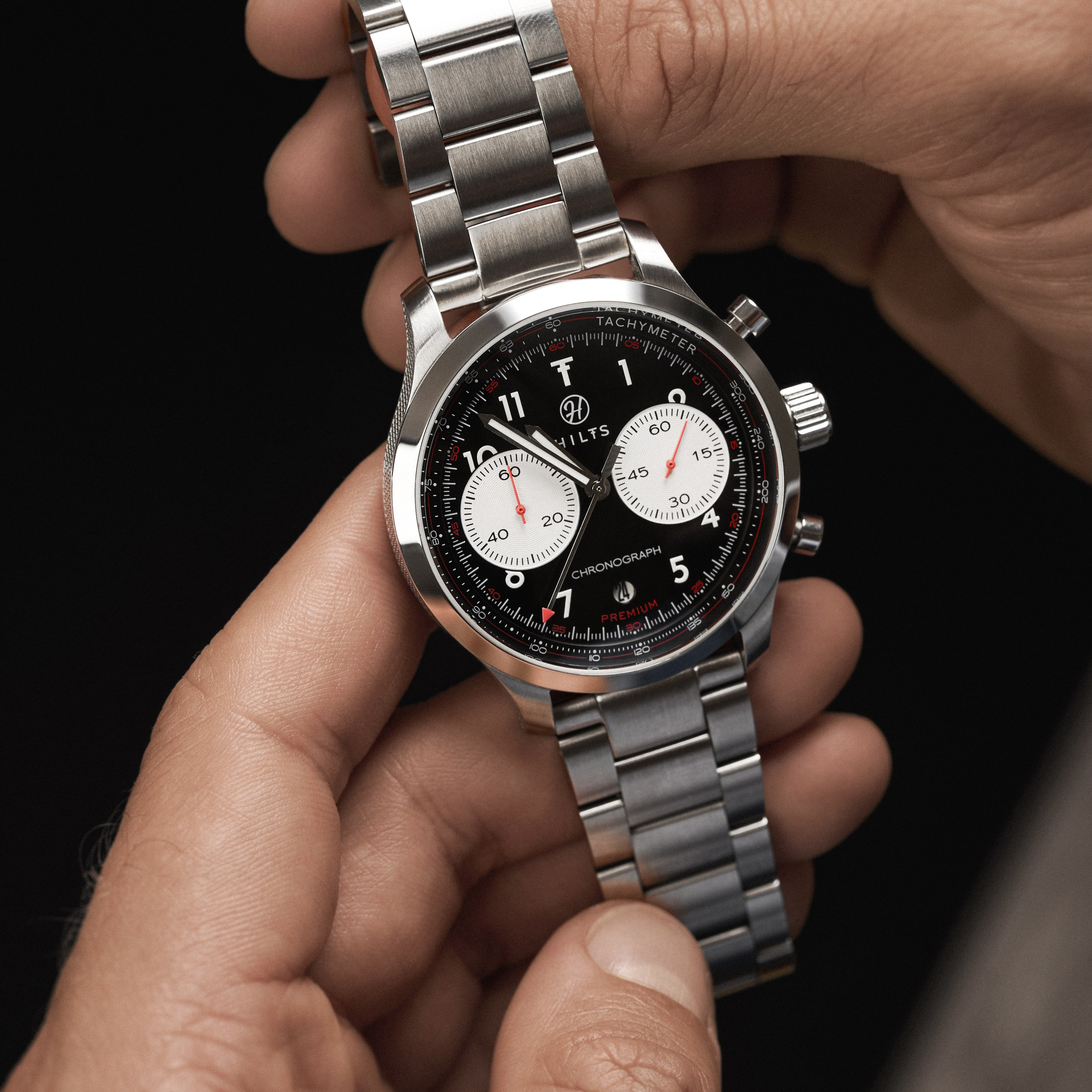
A dial under glass: the problem nobody sees until they do
Why Amazon and Zalando Reject Your Product Photos
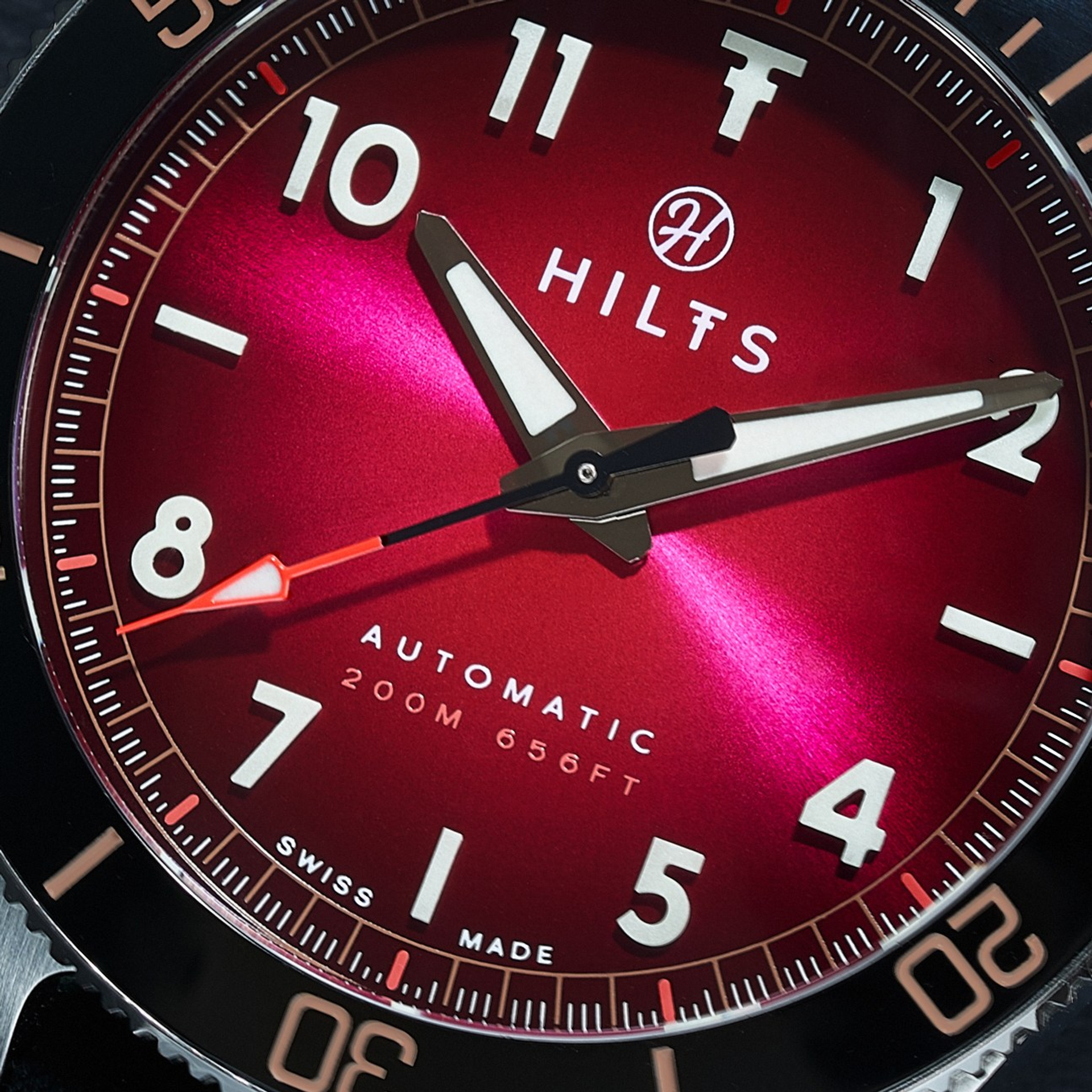
Why Do Watches Show 10:10 in Photos? Myths and the Real Reason
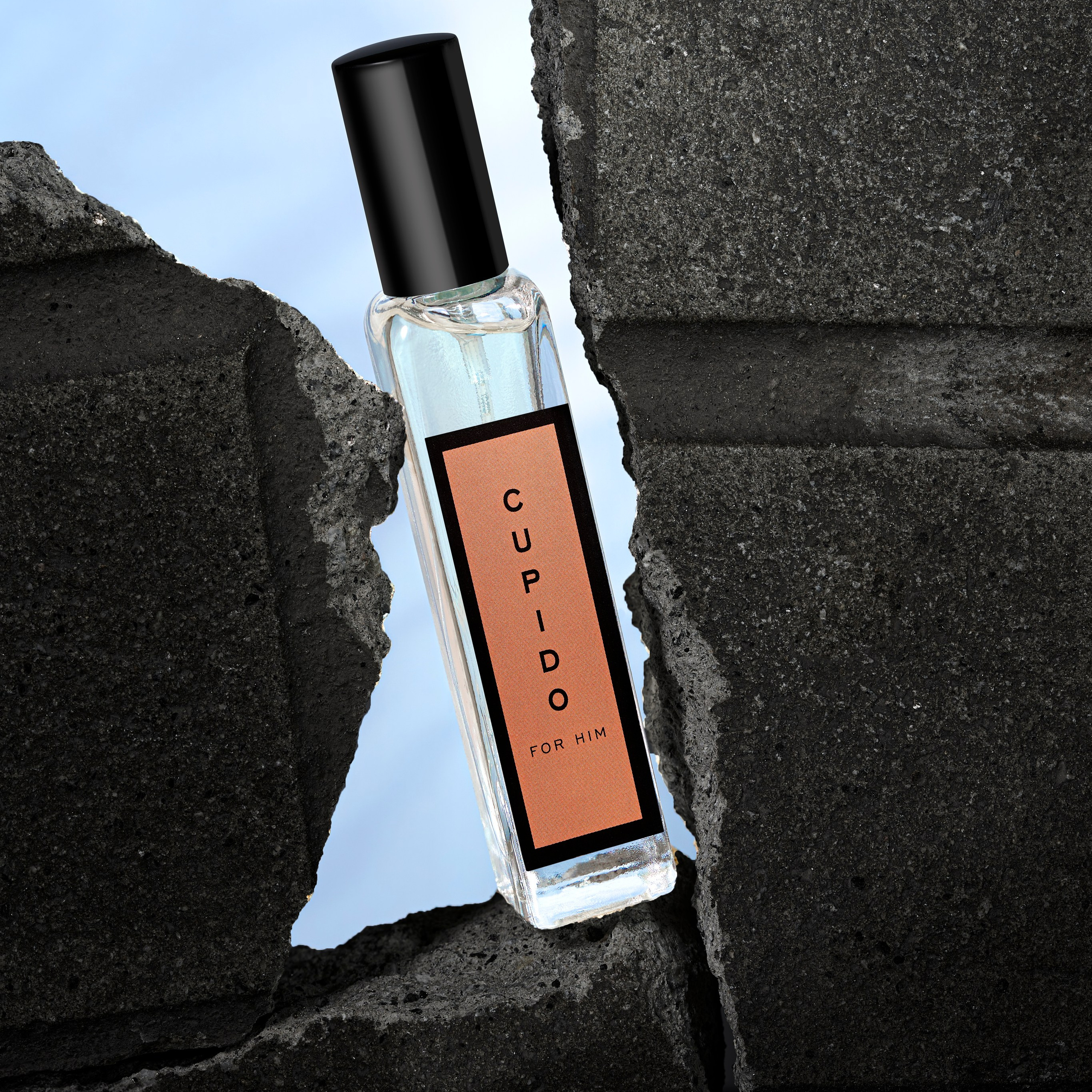
Still life photography in Barcelona
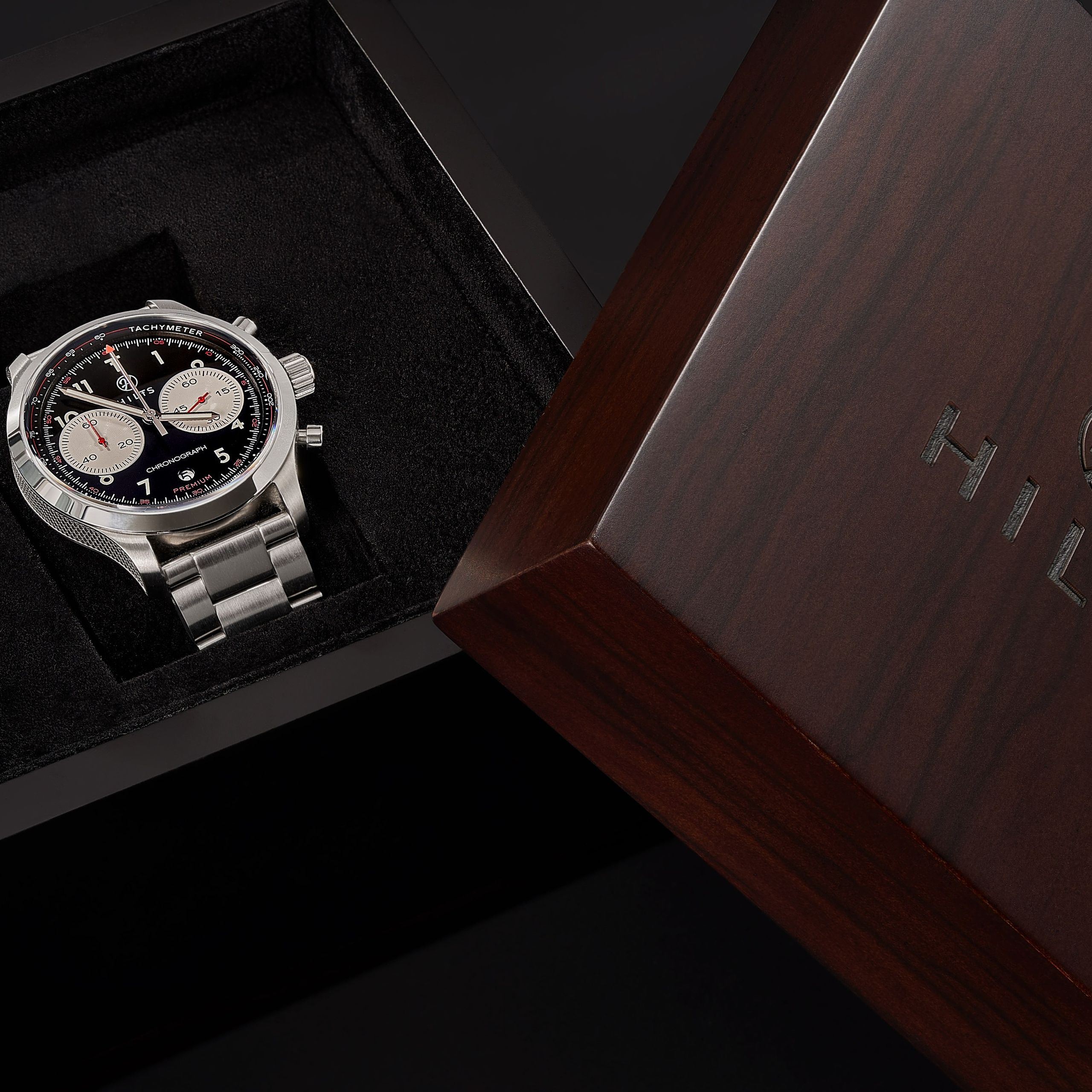
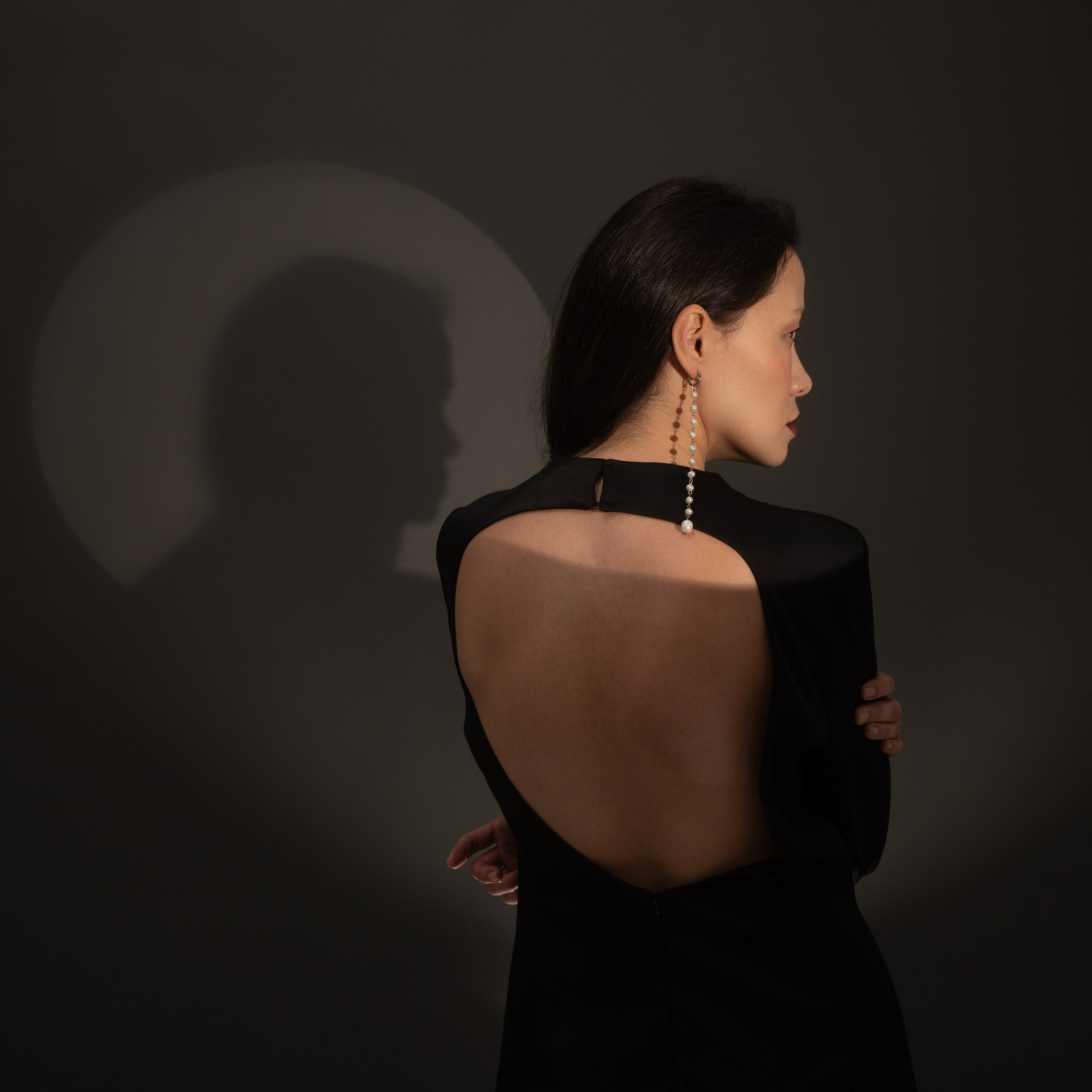
Product Photography for the Web in Barcelona: A Complete Guide to Improving Your Online Presence
Professional Product Photos: What They Change in Your Sales
Photography for online stores – sell more by showcasing better.
360 Product Photography: Revolutionize Your Product Presentation

How to Take Stunning Product Photos at Home: Creative Photography Tips
Fashion and Apparel Photography for Catalogs and Lookbooks: Why Professional Images are Key for Your Brand
Jewellery Catalogue Photos: What Makes an Image Sell

Food Photography in Barcelona: Attract Your Clients with Mouthwatering Images