

Two surfaces, two problems, at the same time
A piece of jewellery has one optical problem: polished metal. A watch has two, and they compete.
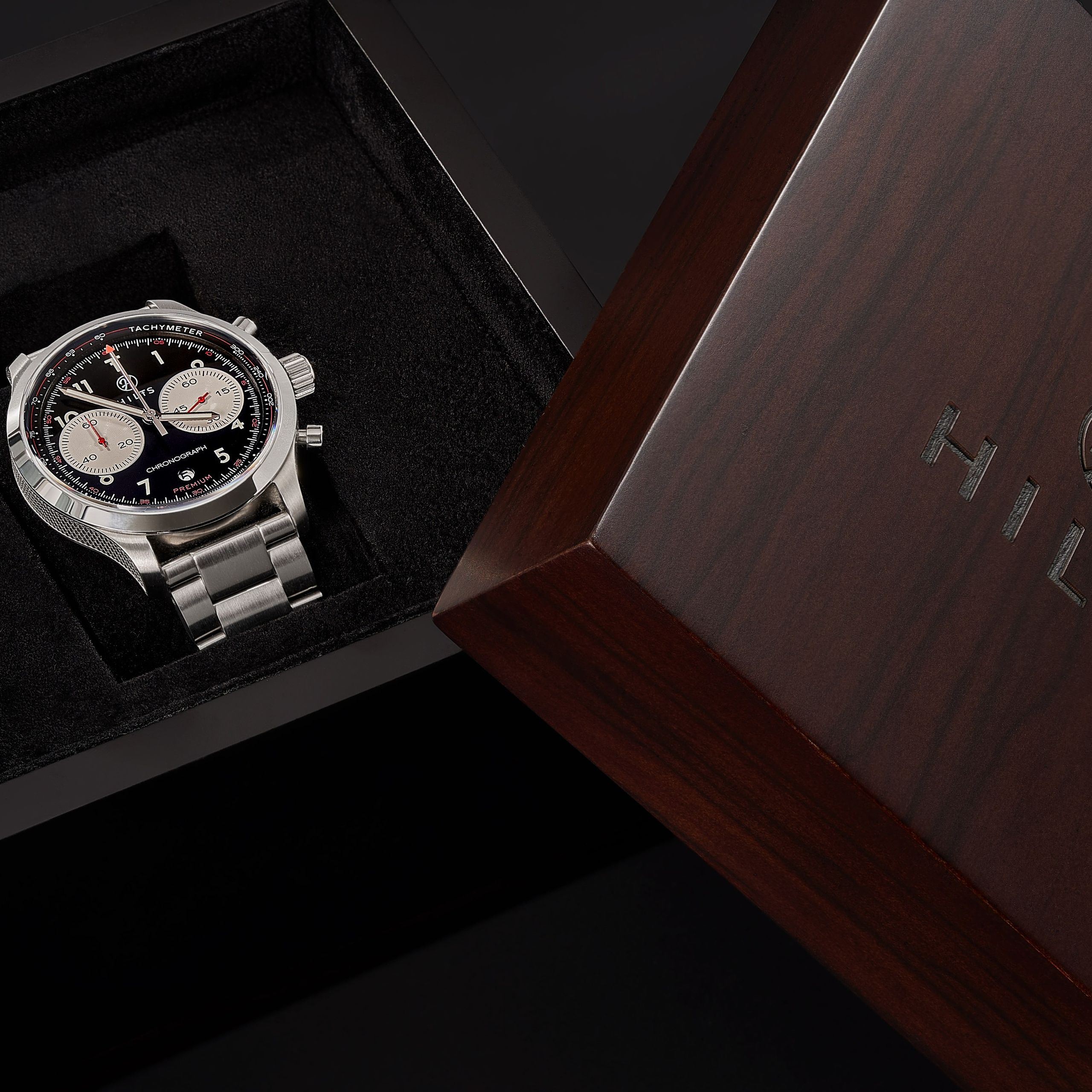
The case and bracelet are metal: they reflect the surroundings, and need something dark and something light around them to have volume.
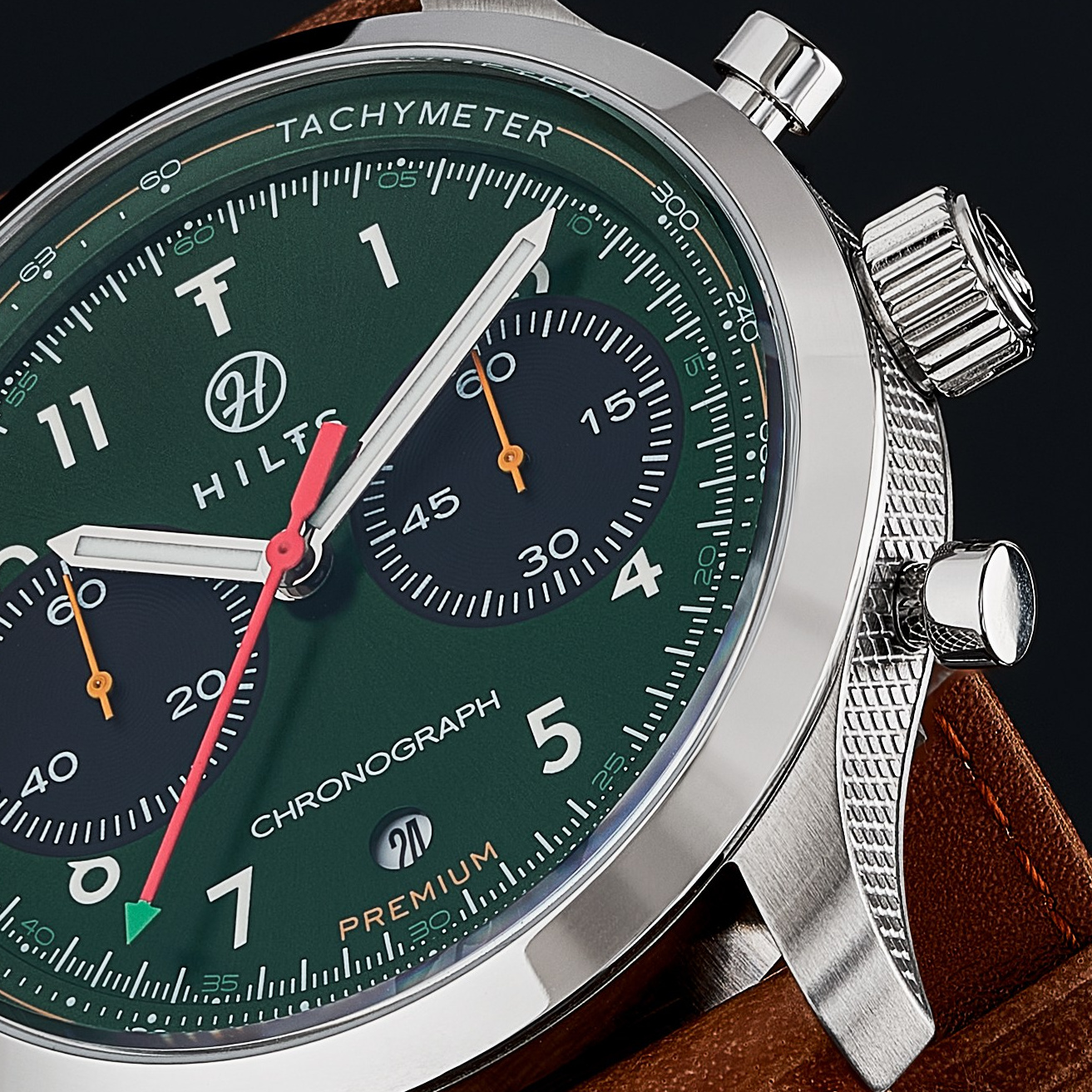
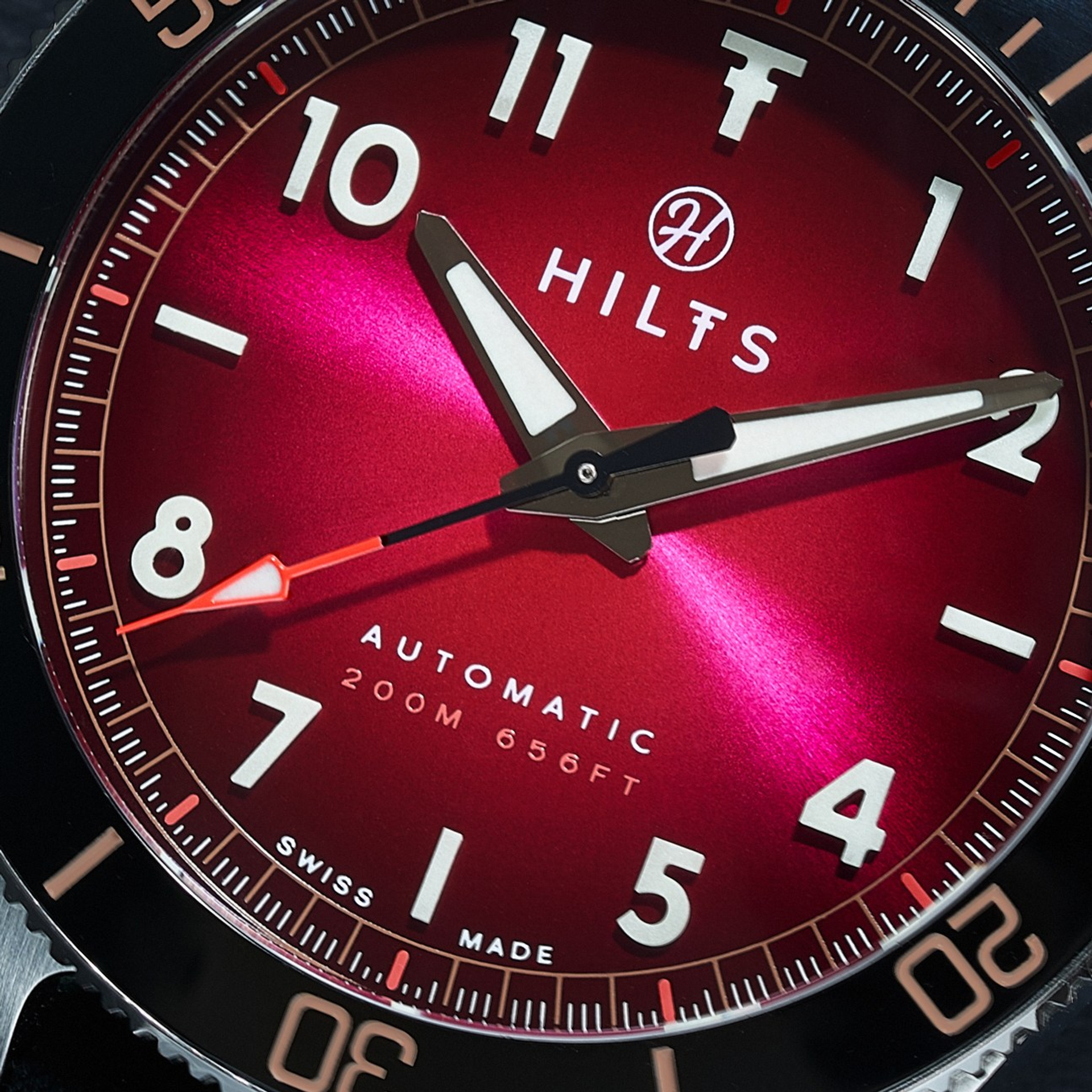
The dial crystal is transparent and reflective at once. It reflects the same things the metal does, but on top of the information the buyer wants to read: indices, hands, brand, complications.
What gives the case its volume is exactly what dirties the dial. Which is why a watch isn’t solved with one well-lit frame, but by combining several with different lighting.

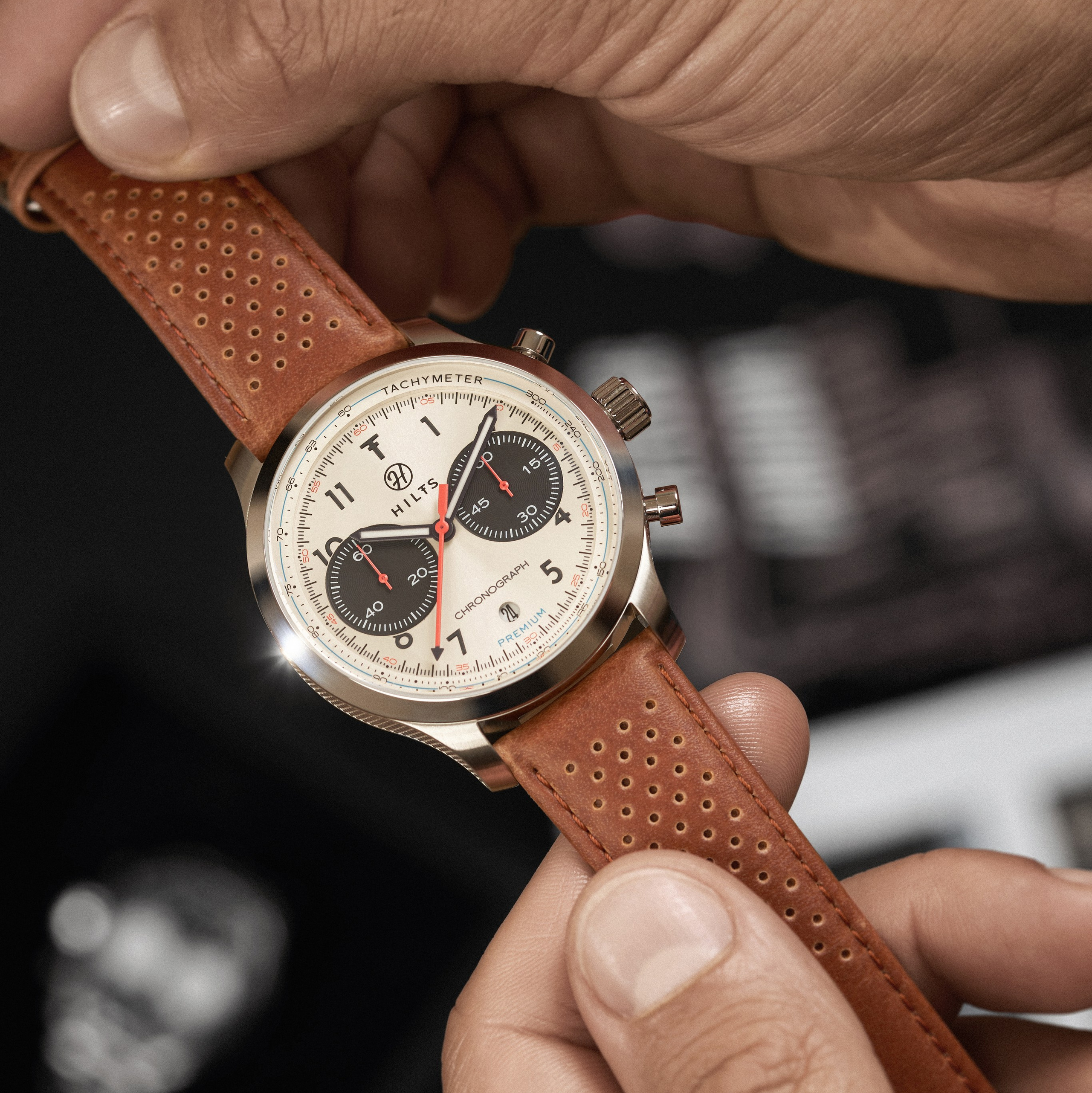
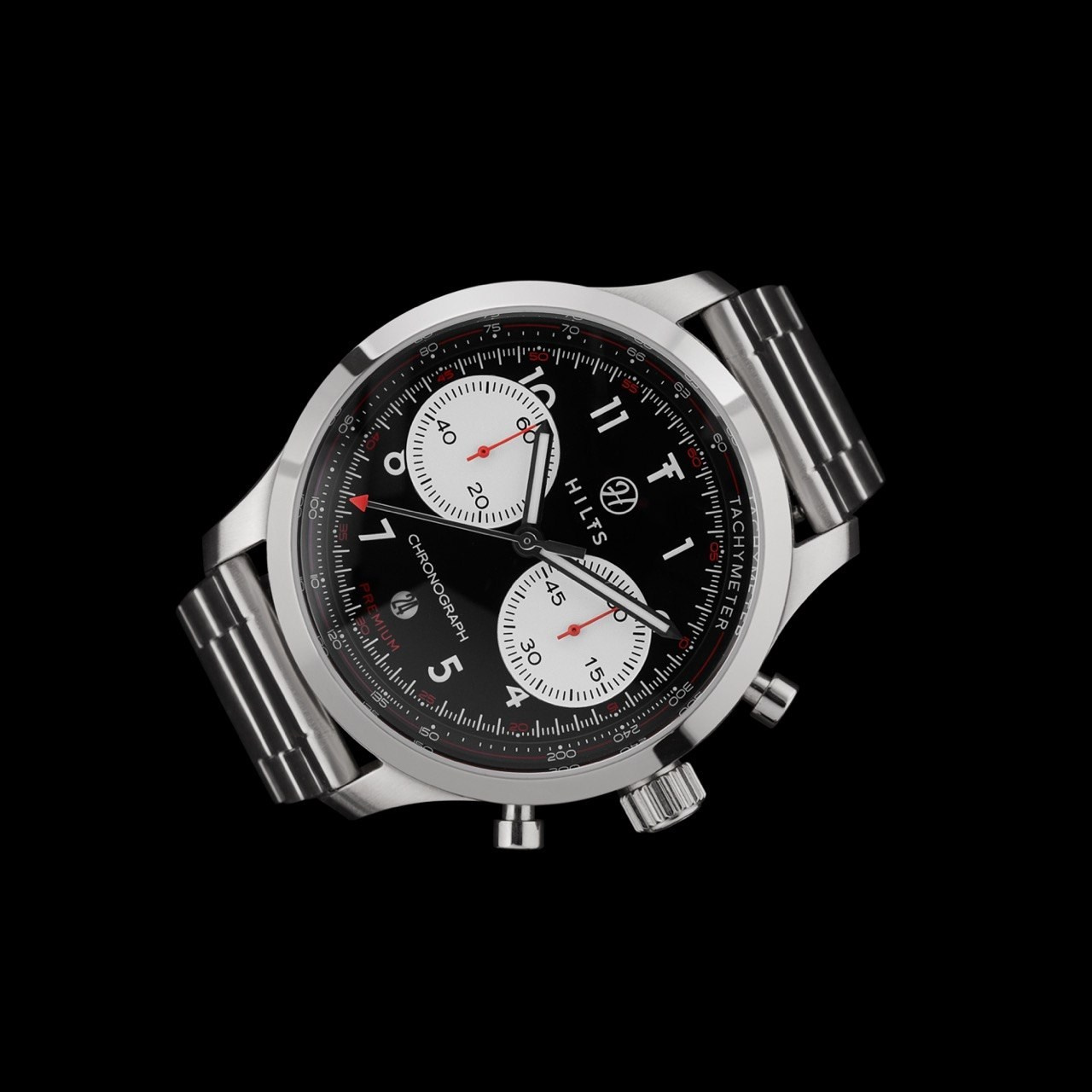
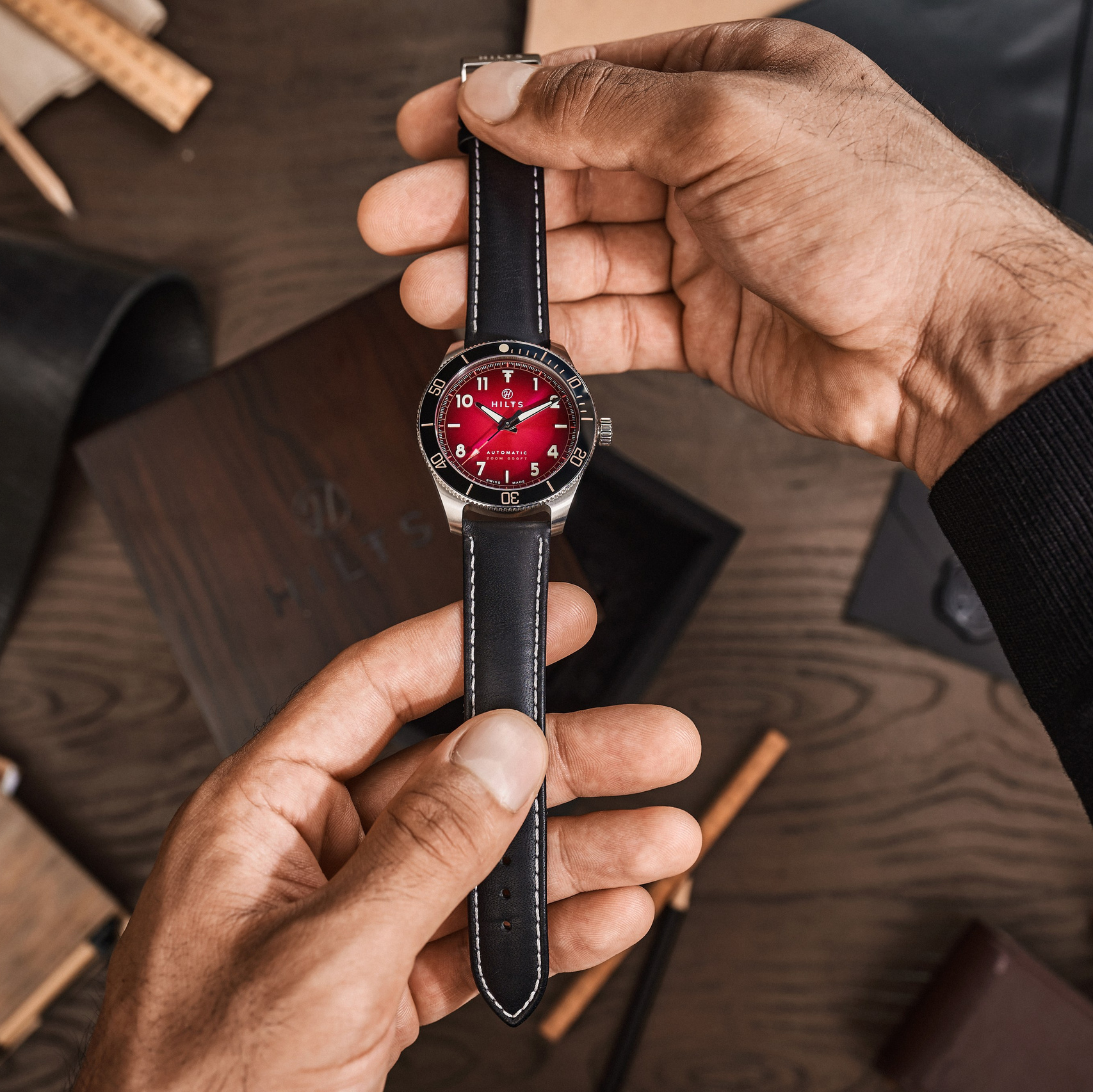
The dial gets lit separately
The procedure is simple to describe and slow to execute.
Light gets built for the metal, and a frame is taken. The light then changes so the dial reads clean and legible, without moving the camera or the watch by a millimetre, and another frame is taken. Sometimes there’s a third for the bezel and a fourth for the clasp.
Then they get combined. This isn’t “retouching”: it’s the only way to have a case with body and a dial that reads, at the same time.
Moving the watch between captures wrecks the combination, so everything gets clamped. That’s the real reason a watch takes longer than a ring at the same price.
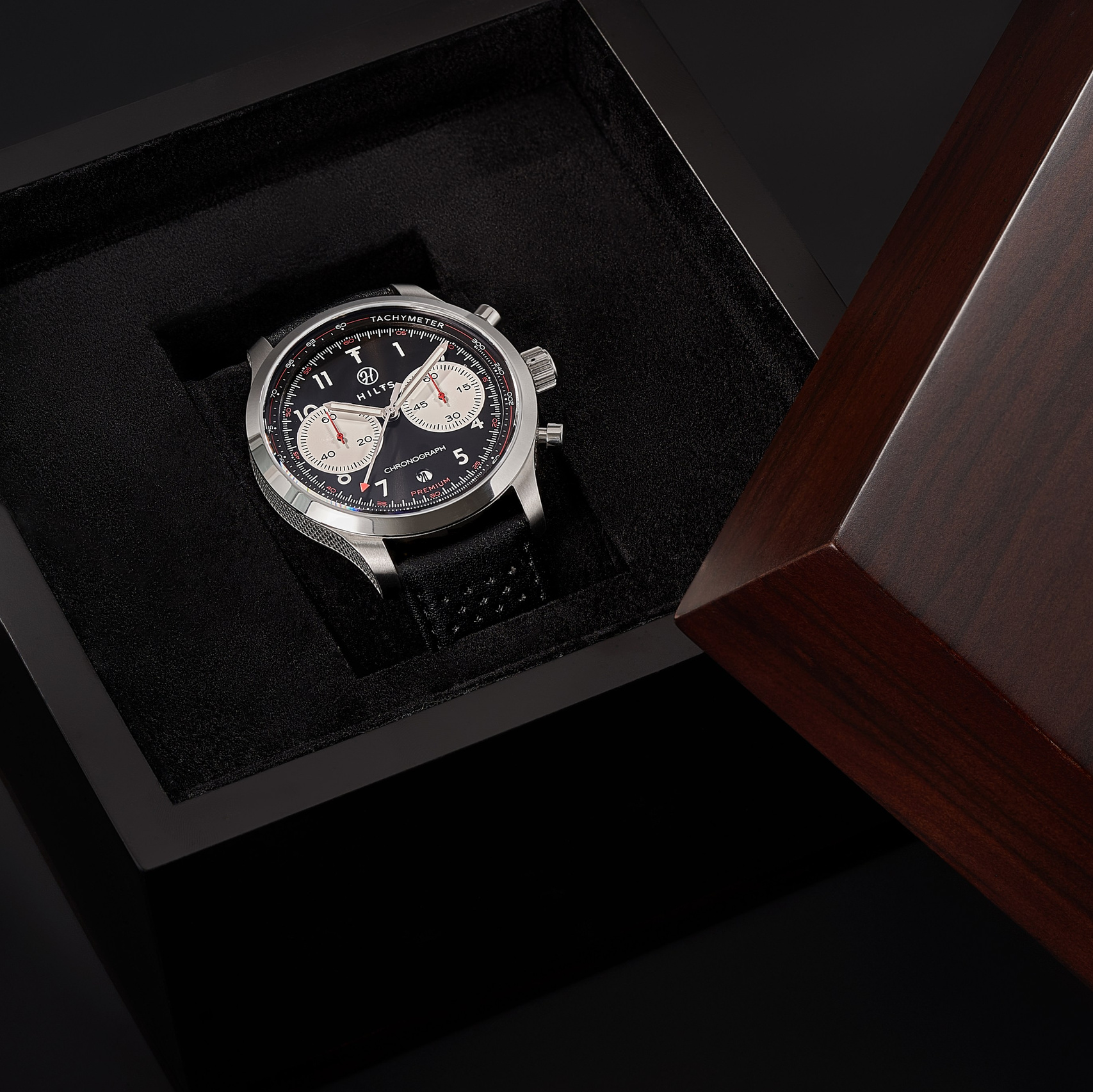
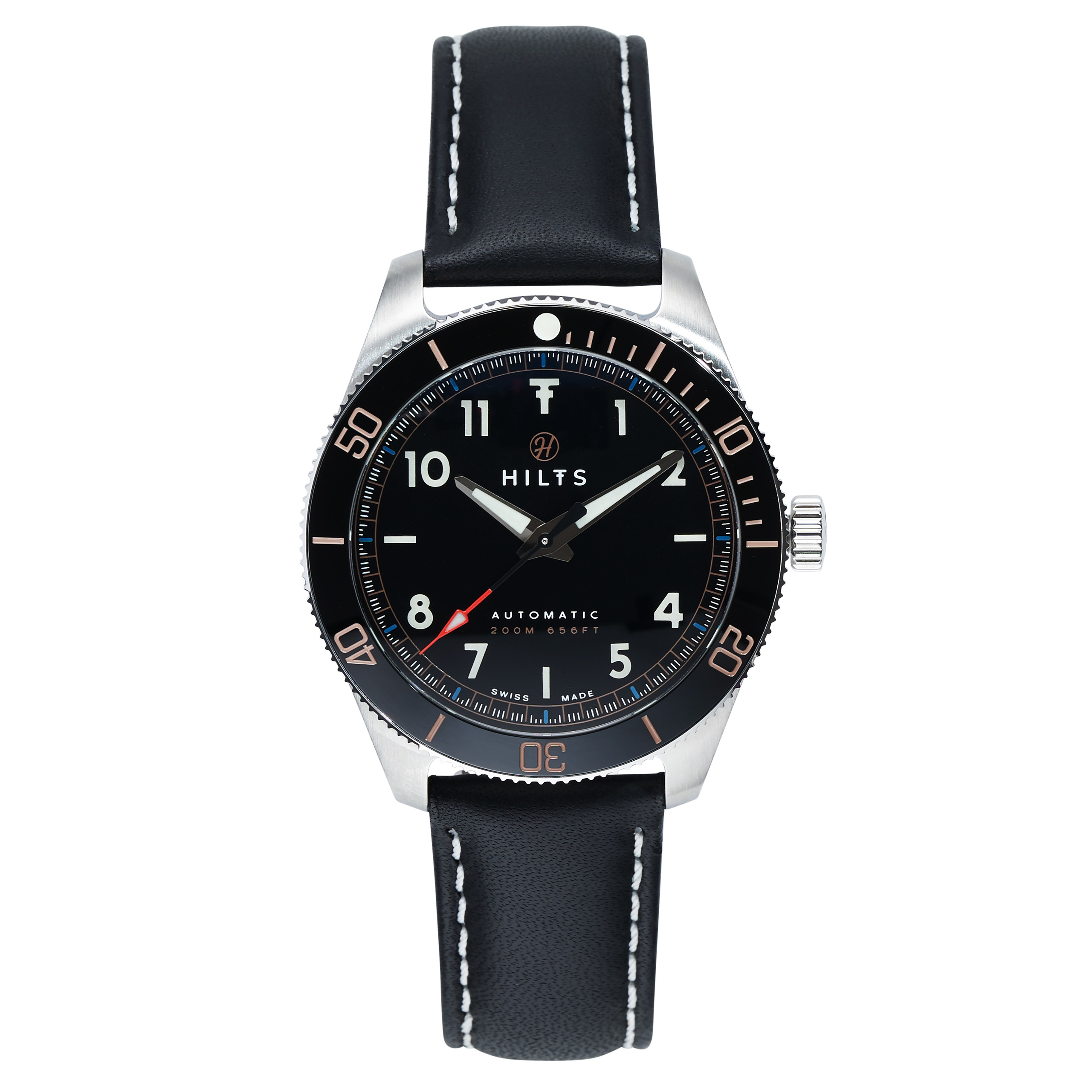
The hands, and the time that’s never accidental
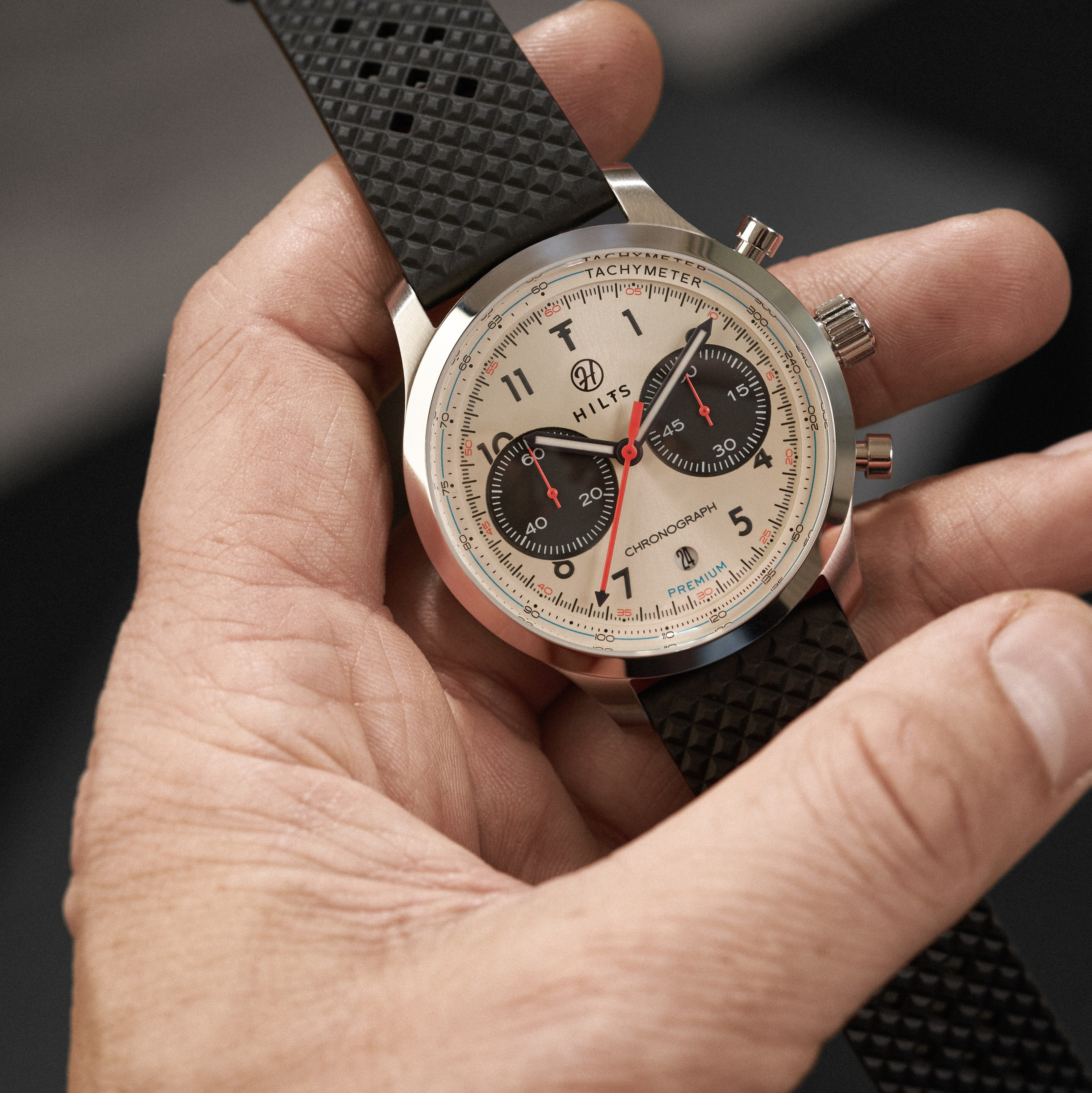
Almost the entire industry photographs at 10:10, and it isn’t superstition. We covered it in full in why watches show 10:10 in photos.
The hands open in a V, they leave the logo below twelve clear, they don’t cover the date or the subdial, and they form a shape the eye reads as symmetrical and friendly.
The important part is the other one: once chosen, the time has to be the same across the whole collection. Fifty watches each on their own time look, in the grid, exactly like fifty pieces of costume jewellery with the lighting changed.
And the seconds hand, if there is one, gets placed too. Usually pointing down, aligned with the axis.
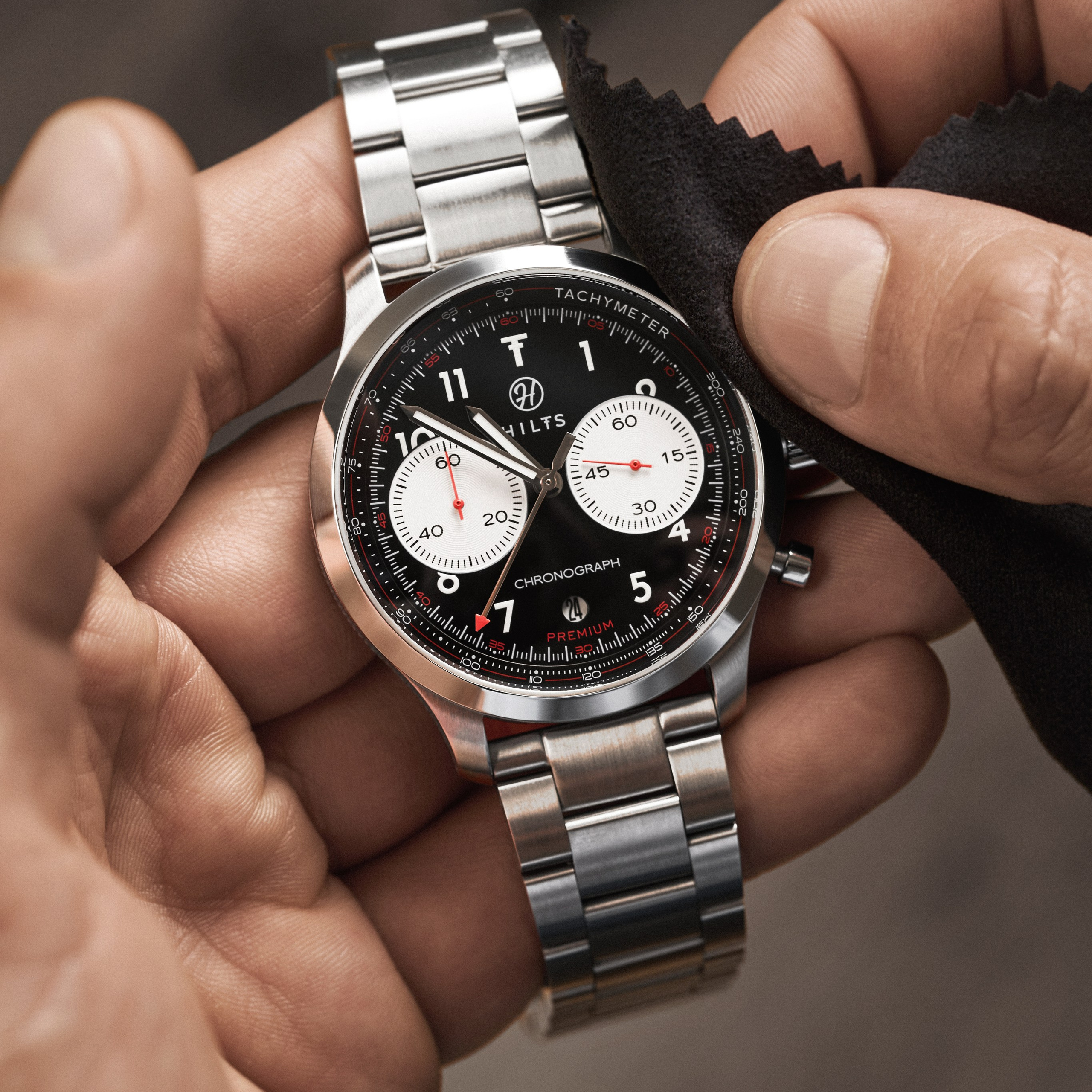

The bracelet that looks bent and isn’t
Long objects suffer lens distortion.
A steel bracelet photographed on a short focal length curves toward the ends: the outer links look smaller and the whole thing reads as arched. The brand looks at the photo and says the bracelet is badly assembled. It isn’t: it’s badly photographed.
It’s corrected with longer focal lengths and distance, which compress perspective. It costs space and time, and it’s invisible when done right.
The steel that reads as grey
Badly lit polished steel doesn’t look like steel. It looks like grey plastic.
The difference between the two is, again, reflection: steel needs a transition from light to dark within its own surface. Without that transition there’s no material reading, and a watch that doesn’t read as steel loses its main argument.
The same applies to rose gold, which drifts brown, and titanium, which without control gets confused with aluminium. Three metals nearly identical to the eye, three different schemes. How each is handled is on the watch photography page.
The set a watch needs
| Shot | What it settles |
|---|---|
| Dial front-on | The main listing, full legibility |
| Three-quarter | Case volume and thickness |
| Profile | Real thickness, which decides purchases |
| Clasp and caseback | Build quality |
| Dial detail | Finishing, applied indices, texture |
| On the wrist | Scale, non-negotiable |
Before sending the collection
- Do the watches arrive with the time already set, or do we set it?
- Do they have batteries and run? A stopped watch can’t be set
- Are the crystals clean and free of hairline scratches?
- Are they on bracelets or interchangeable straps?
- Are there models in several case finishes?
- Do you need a wrist shot? If so, there’s casting
The second one surprises people and it’s real: the hands get positioned by hand, and a watch with no battery can’t be positioned.
Why this takes fourteen days
Multiple captures per piece, manual combination, reflection control and distortion correction.
It isn’t slowness: the work sits on the shooting table and in the combination, not in the shutter. And that difference is exactly what separates a watch photograph from a photograph of an object with a dial. The breakdown is on the pricing page.

We shoot dial, case and bracelet with separate lighting and combine afterwards, with the time fixed across the collection. Files in 14 working days.
Why Amazon and Zalando Reject Your Product Photos
Why Do Watches Show 10:10 in Photos? Myths and the Real Reason
Still Life Photography in Barcelona: Complete Guide
Photography for eCommerce: Keys to Boost Your Online Sales
Product Photography for the Web in Barcelona: A Complete Guide to Improving Your Online Presence

What Does a Product Photographer Do and Why Does Your Brand Need One?
Photography for online stores – sell more by showcasing better.

360 Product Photography: Revolutionize Your Product Presentation

How to Take Stunning Product Photos at Home: Creative Photography Tips
Fashion and Apparel Photography for Catalogs and Lookbooks: Why Professional Images are Key for Your Brand
Jewelry and Product Photography for Catalogs in Barcelona: How to Attract Customers with High-Quality Images
Food Photography in Barcelona: Attract Your Clients with Mouthwatering Images
Product Photography in Barcelona

3 Common Misconceptions About Marketplaces in Spain: Sellers' Perspective