
The only thing you can’t touch
In a shop, the customer opens the tester, draws a stripe on her wrist and decides in two seconds.
Online she can’t do that. She can read the description and zoom in on the gold cap as much as she likes, and neither answers her question. The question is always the same one: what does this look like on my skin?
The swatch is the answer. And in plenty of beauty stores it either isn’t there, or it was shot on a phone on top of a sheet of paper.
That makes it the shot that does the most work per sale and the one that gets shot properly least often. When it fails, it shows up in returns before it shows up anywhere else.
How to make a swatch you can compare
A stripe of cream on an arm and a quick frame don’t give you a swatch, they give you a smear.
A readable swatch needs consistency in the amount of product, in the spread and in the light. If the first shade goes on heavier than the fourth, the whole range comes out miscalibrated. The customer ends up buying a shade believing it’s darker than it is.
It goes on with a dispenser or a spatula, never a finger. It’s drawn with the same pressure and to the same length. And the full range gets shot in a single session, on the same skin under the same light.
A shade photographed on Tuesday and another on Thursday can no longer be compared, even if they end up side by side on the site.
Matte, foil and gloss: each finish wants its own light
This is where most beauty shoots break.
A matte needs soft, well-directed light. With nothing to lift it, the pigment looks flat and dirty. With too much shine, it stops looking matte.
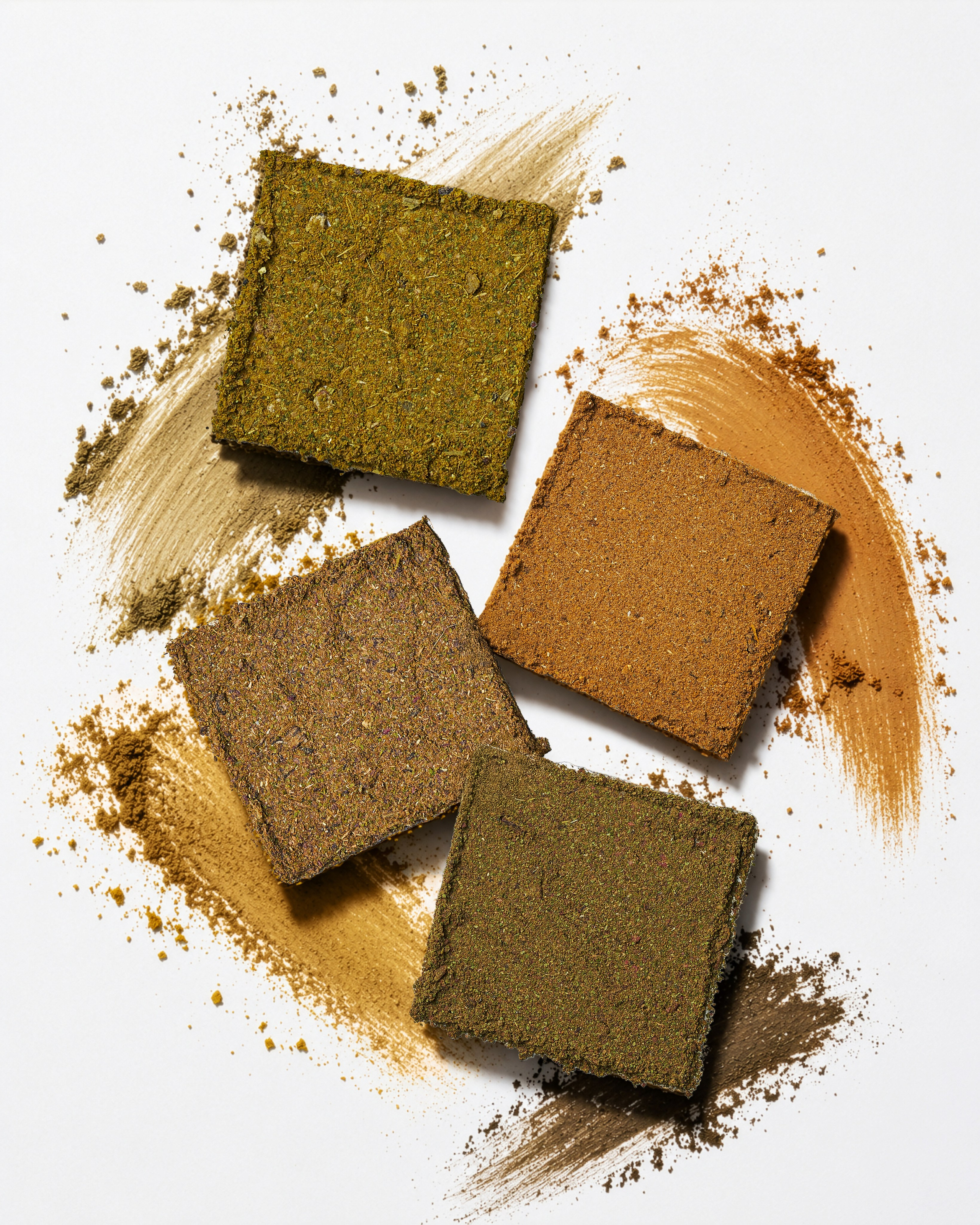
A foil, the metallics you press on with a damp finger, needs a small hard source that draws a specific reflection. Under diffused light it dies, and looks like an ordinary eyeshadow, only pricier.
A gloss finish needs its reflection to have a shape. A shiny lipstick without a clean band of light across it looks like paint.
A twelve-shade palette usually holds several finishes at once. Shooting the whole thing under one scheme without adjusting anything is why half the range looks worse than it is. What works is keeping the same base light across the whole line, so the listings sit together, and adjusting per finish the source that draws the reflection. That’s how we work in cosmetics photography.
The skin in a swatch gets chosen too
It’s chosen with the same care as the background.
Skin tone decides how the pigment reads. A nude on very fair skin and on medium skin are two different products in a photograph. If the brand sells to a broad audience, you need more than one skin tone, and they should stay the same across the whole line so the listings can be compared.
The skin has to arrive clean: no fake tan, no leftover cream, no marks. One backlit hair beside a lipstick swatch throws away hours of work.
Hands come under the same heading. Short nails, neutral polish or none. It’s the part of the body that sells the most product and gets prepared the least.

The cream that looks like plastic
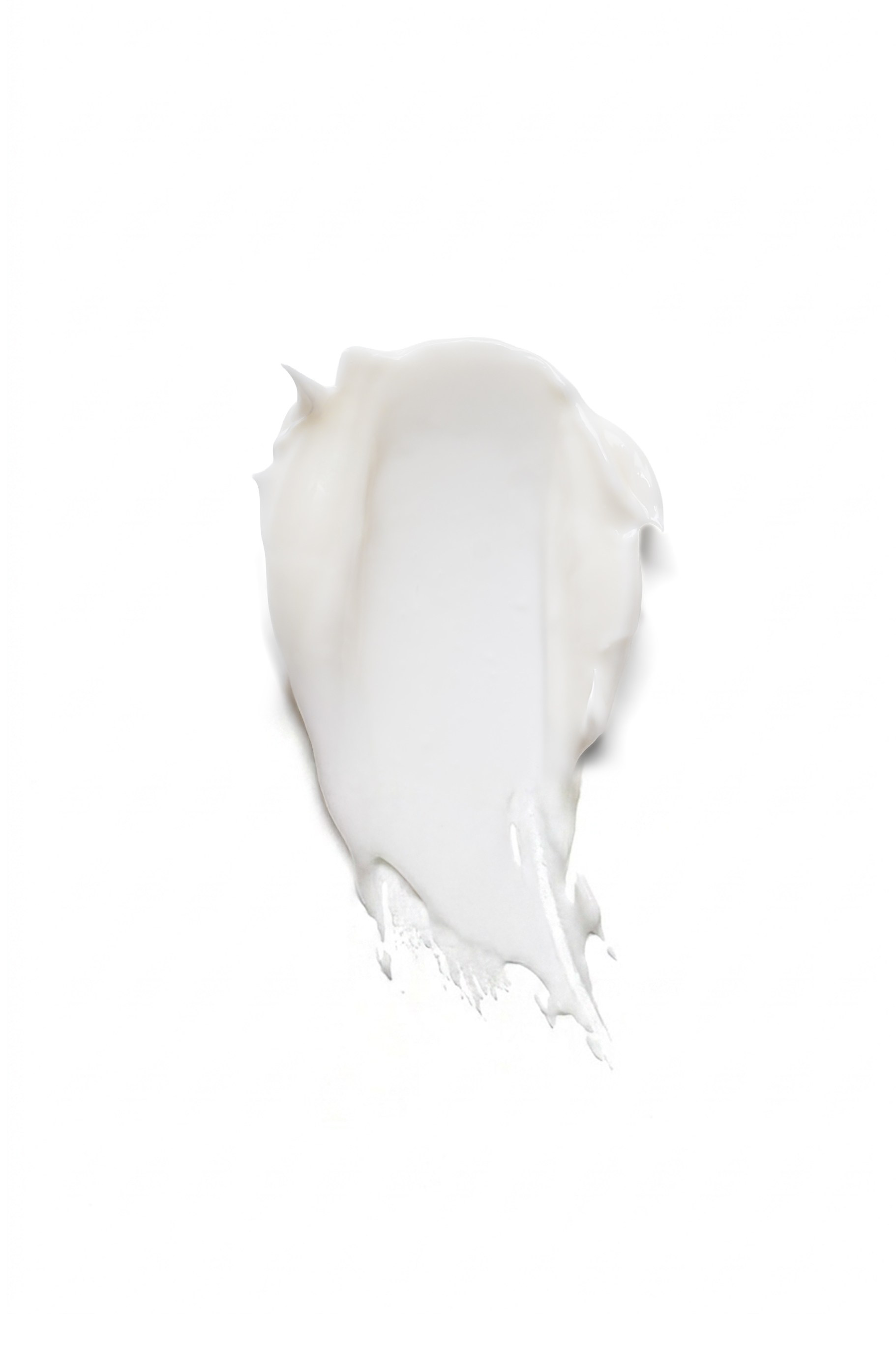
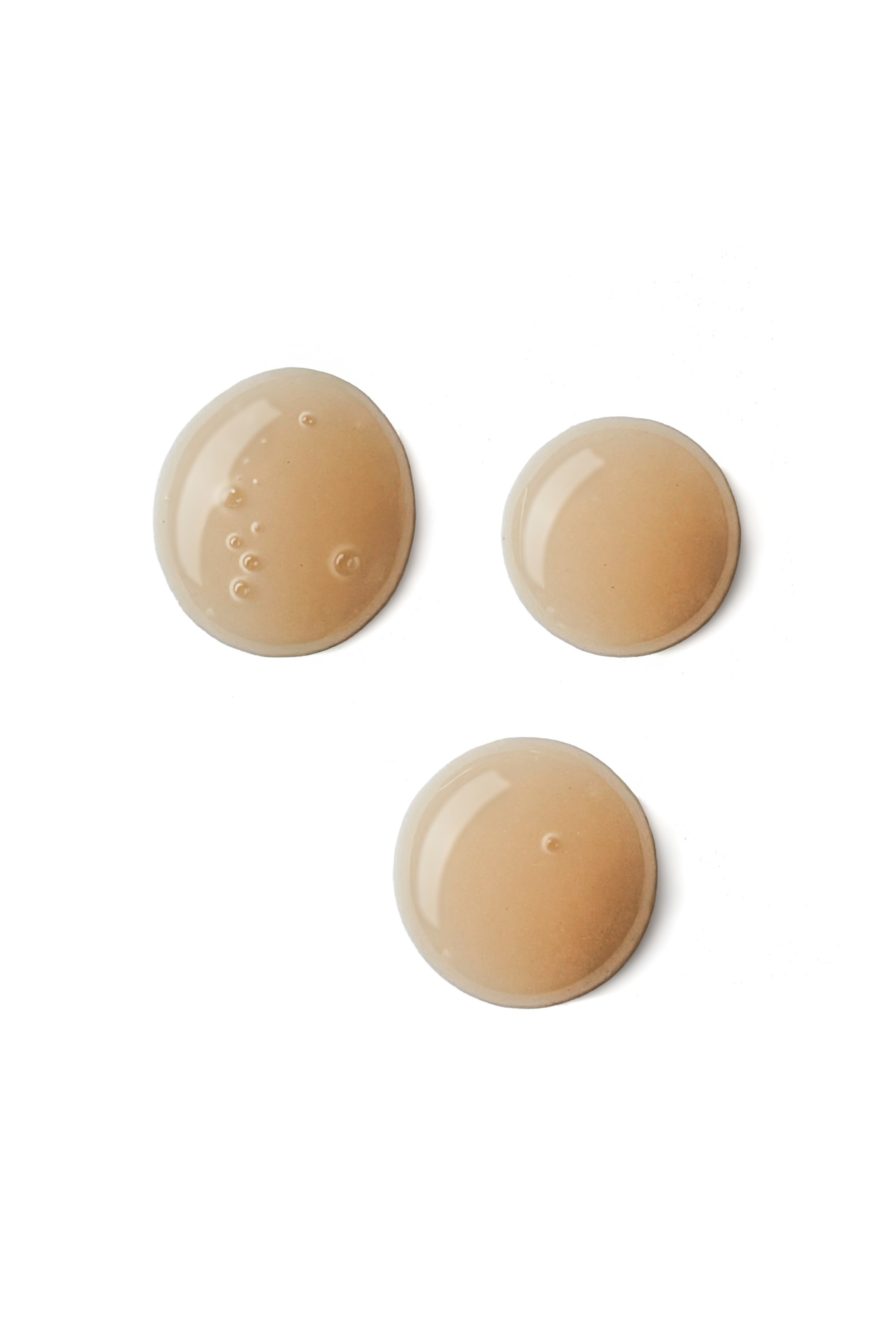
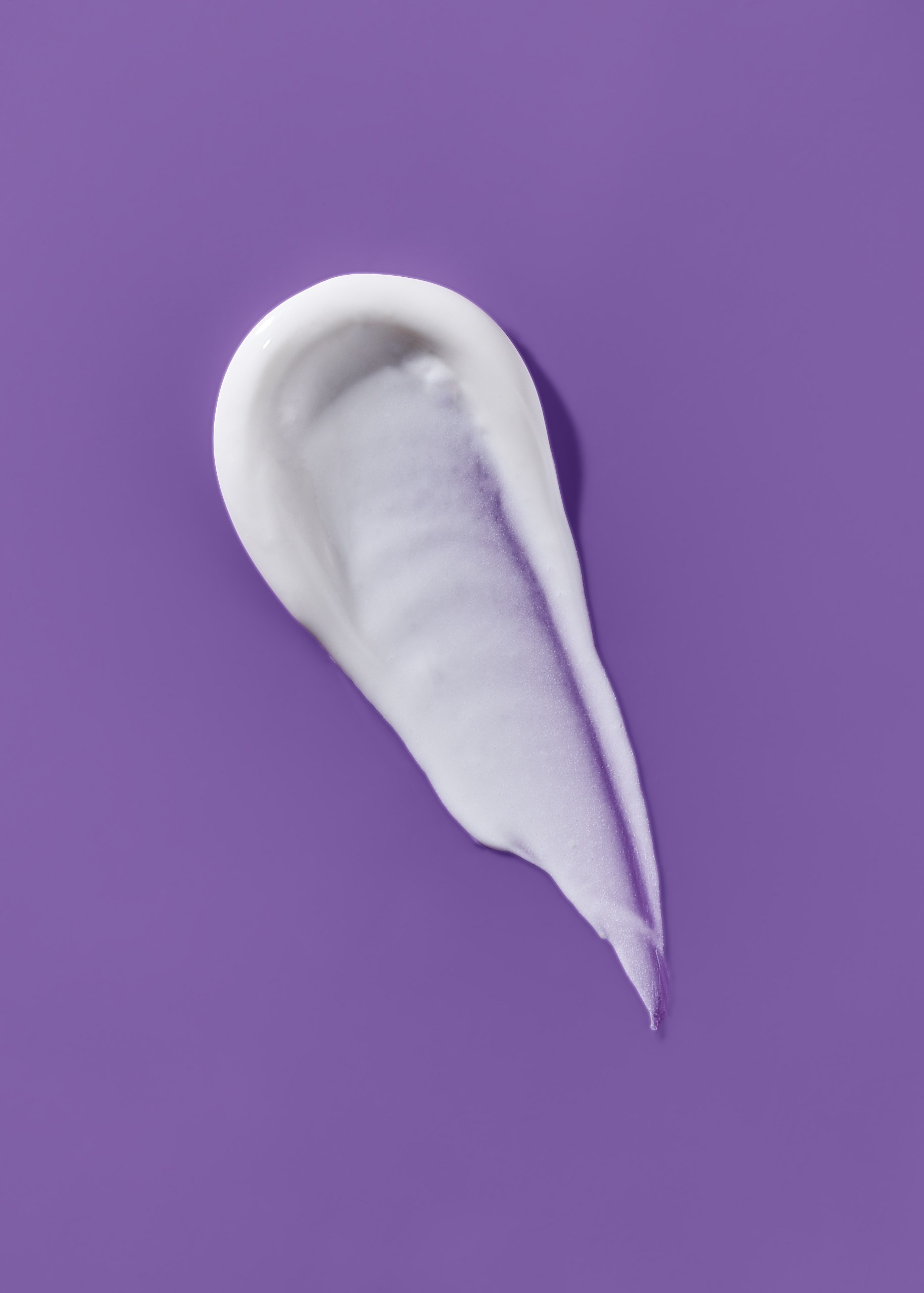
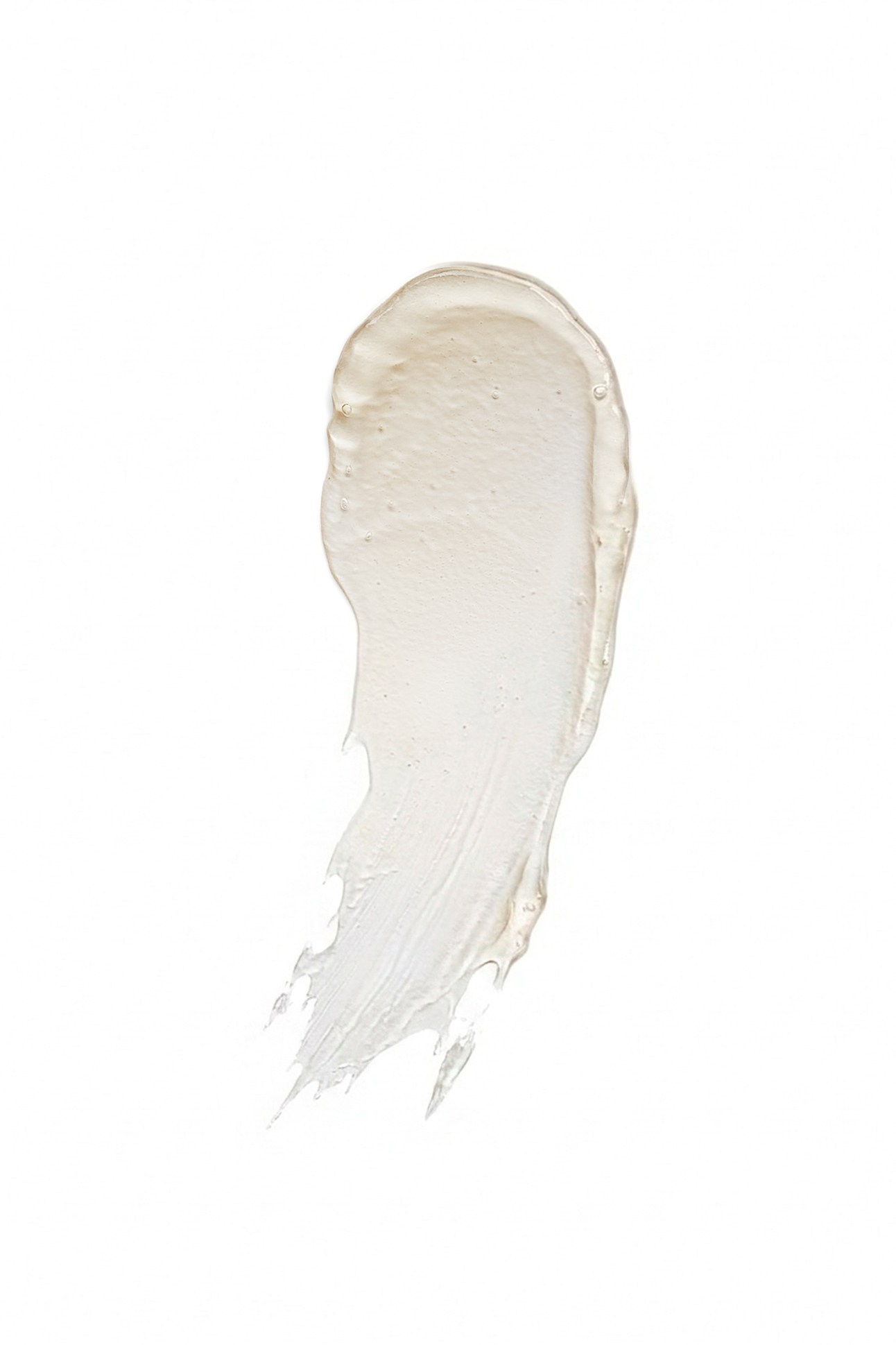
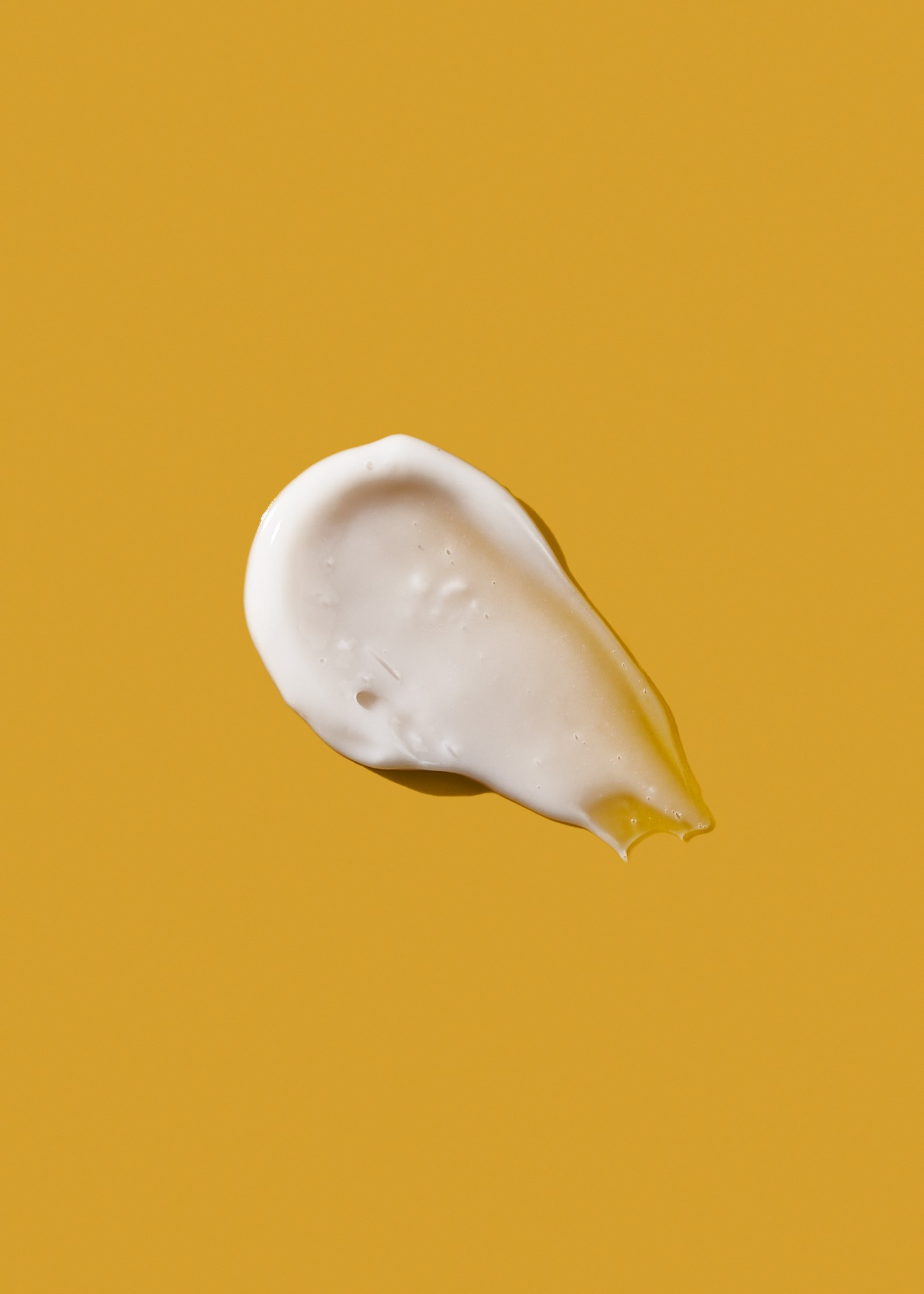
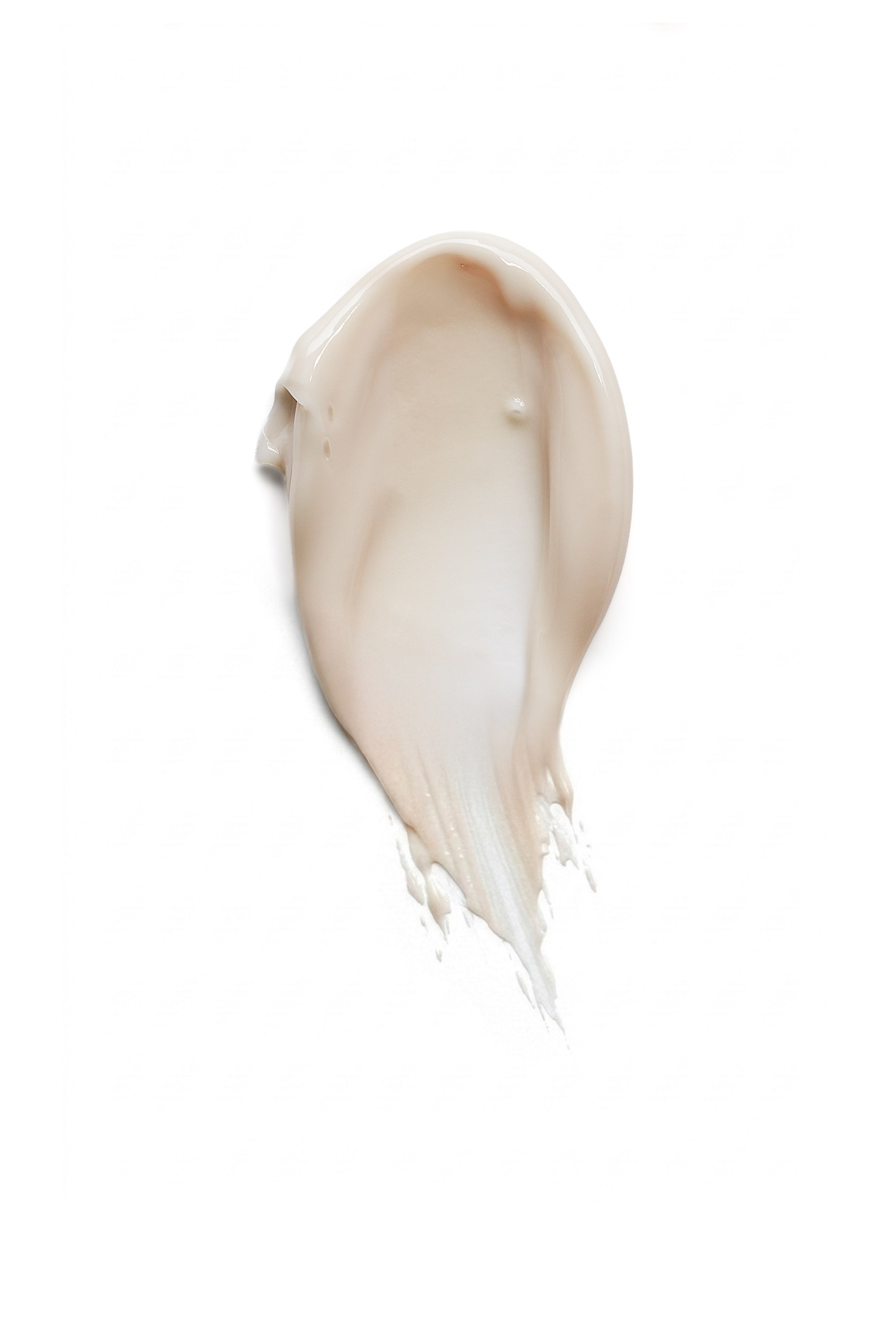
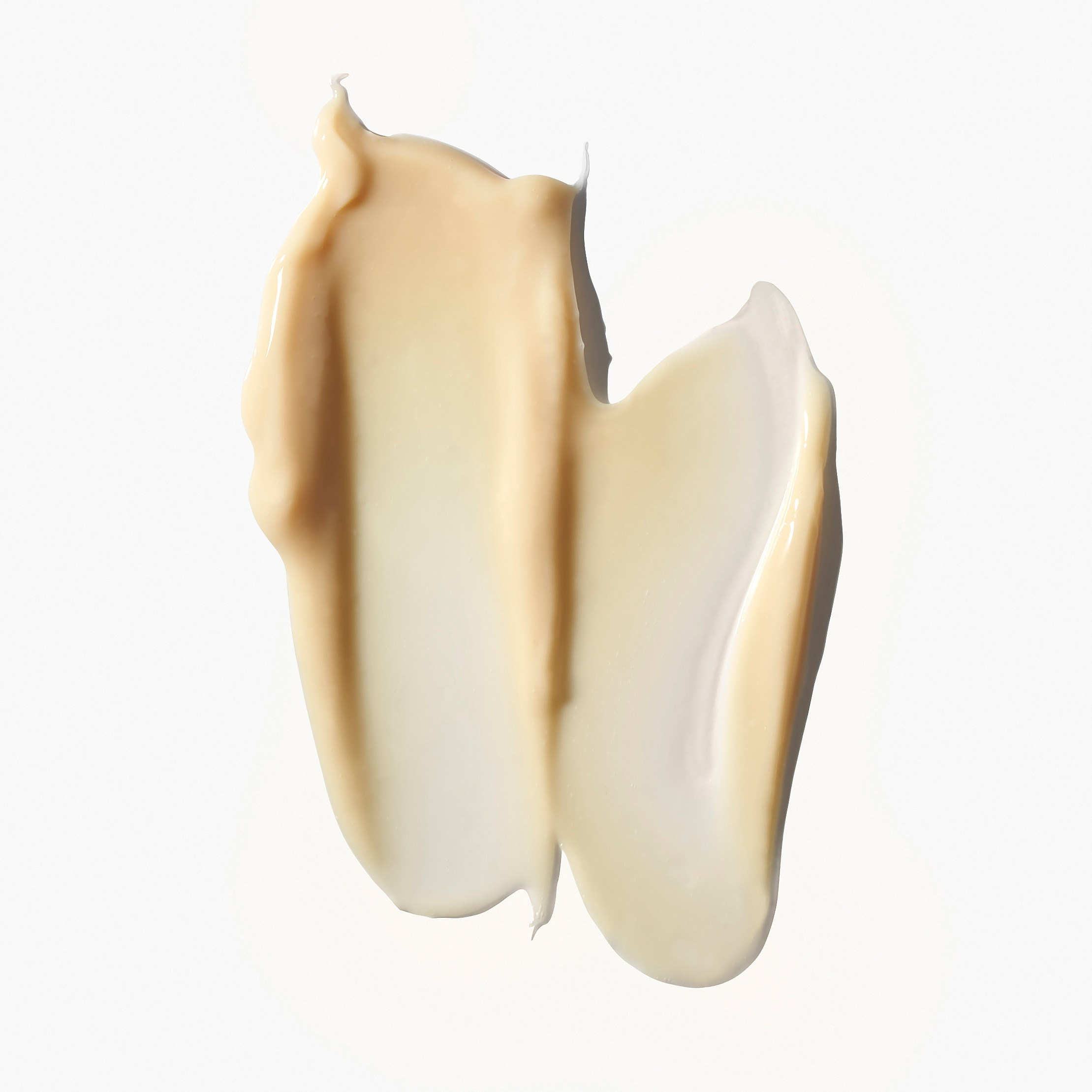
A cream shot head-on under flat light looks like a silicone pastille.
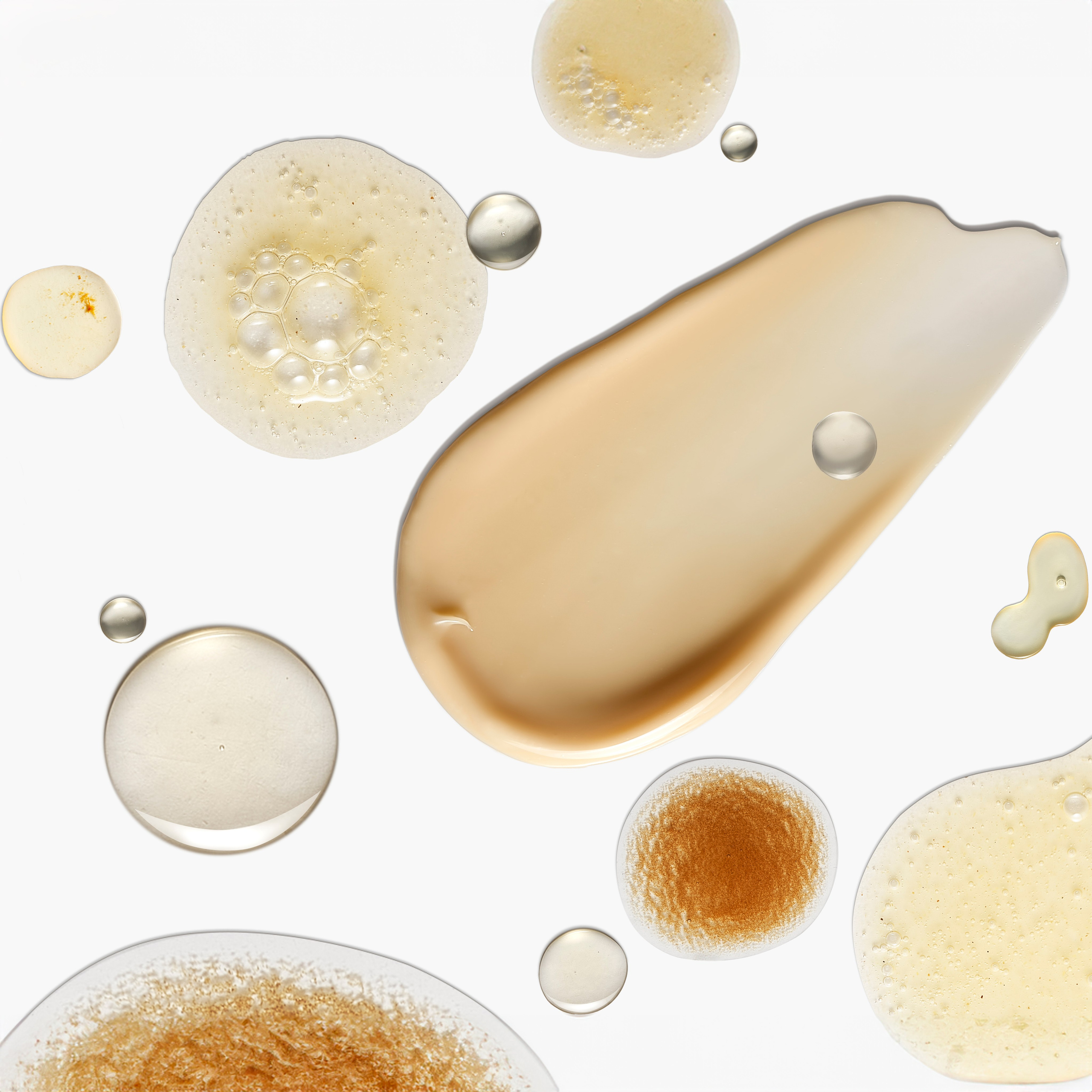
What makes it read as cream is the edge, the point where the mass folds over itself and holds a shadow. That only appears with side light and enough height in the sample. A thin layer has no relief, and without relief there’s no texture.
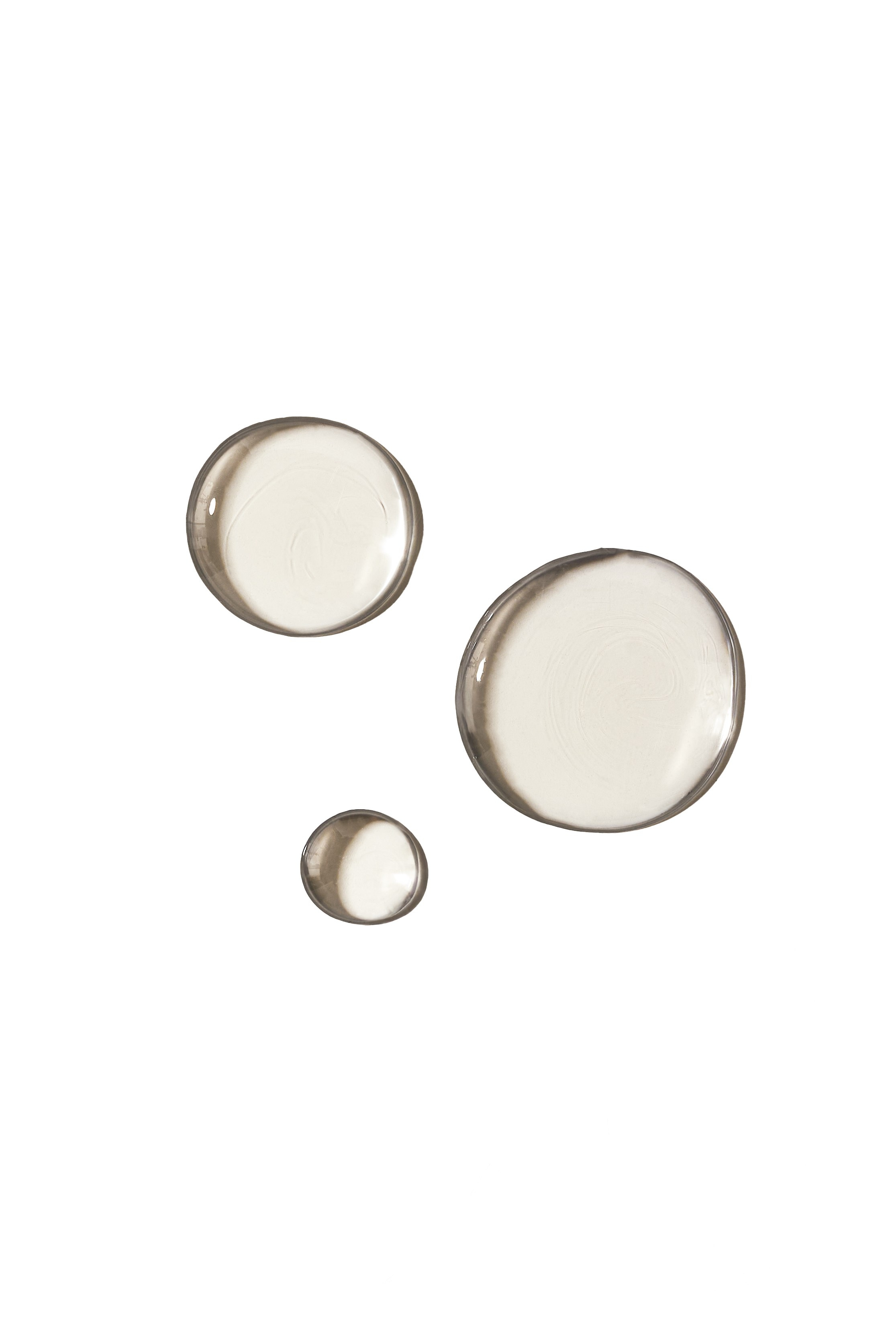
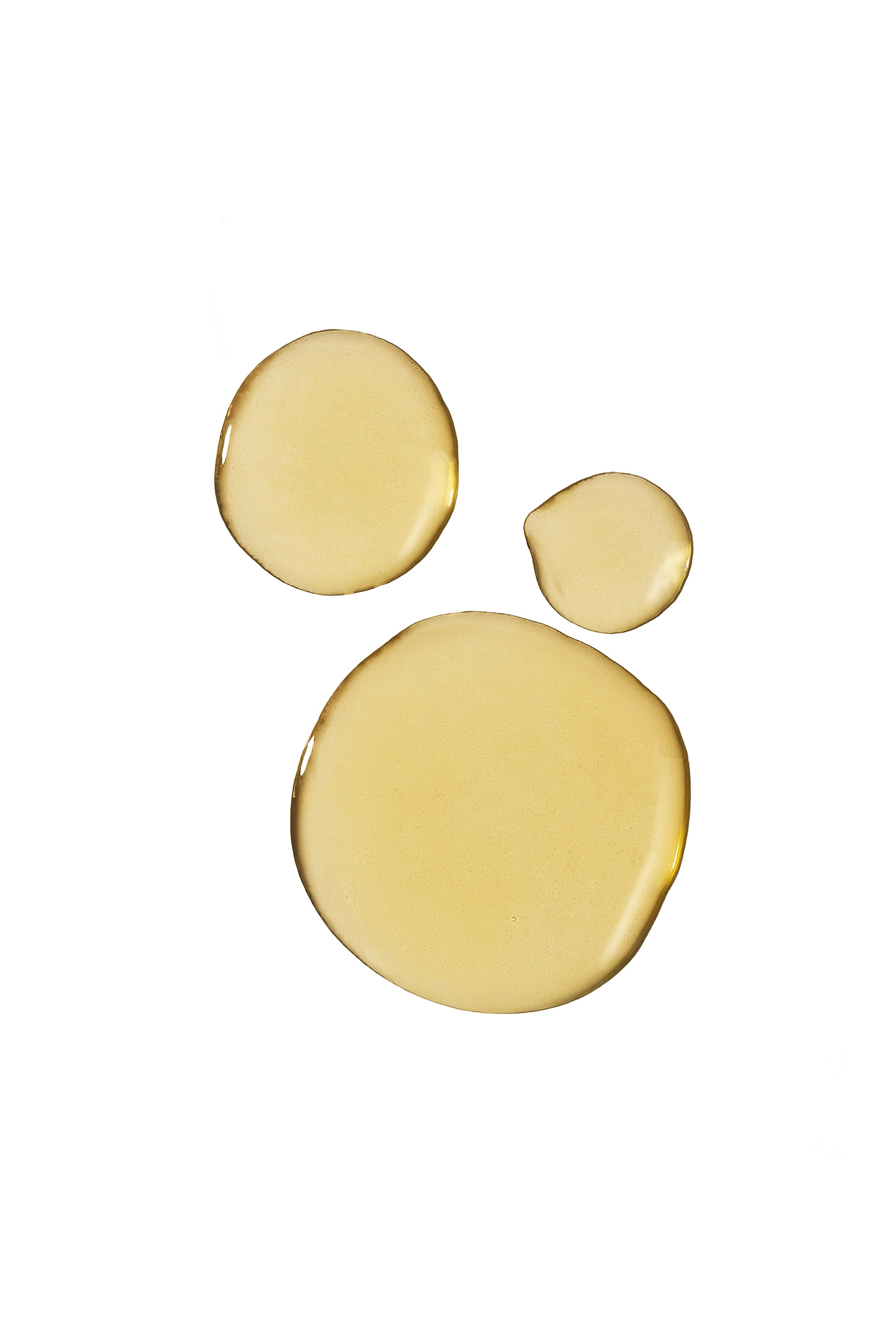
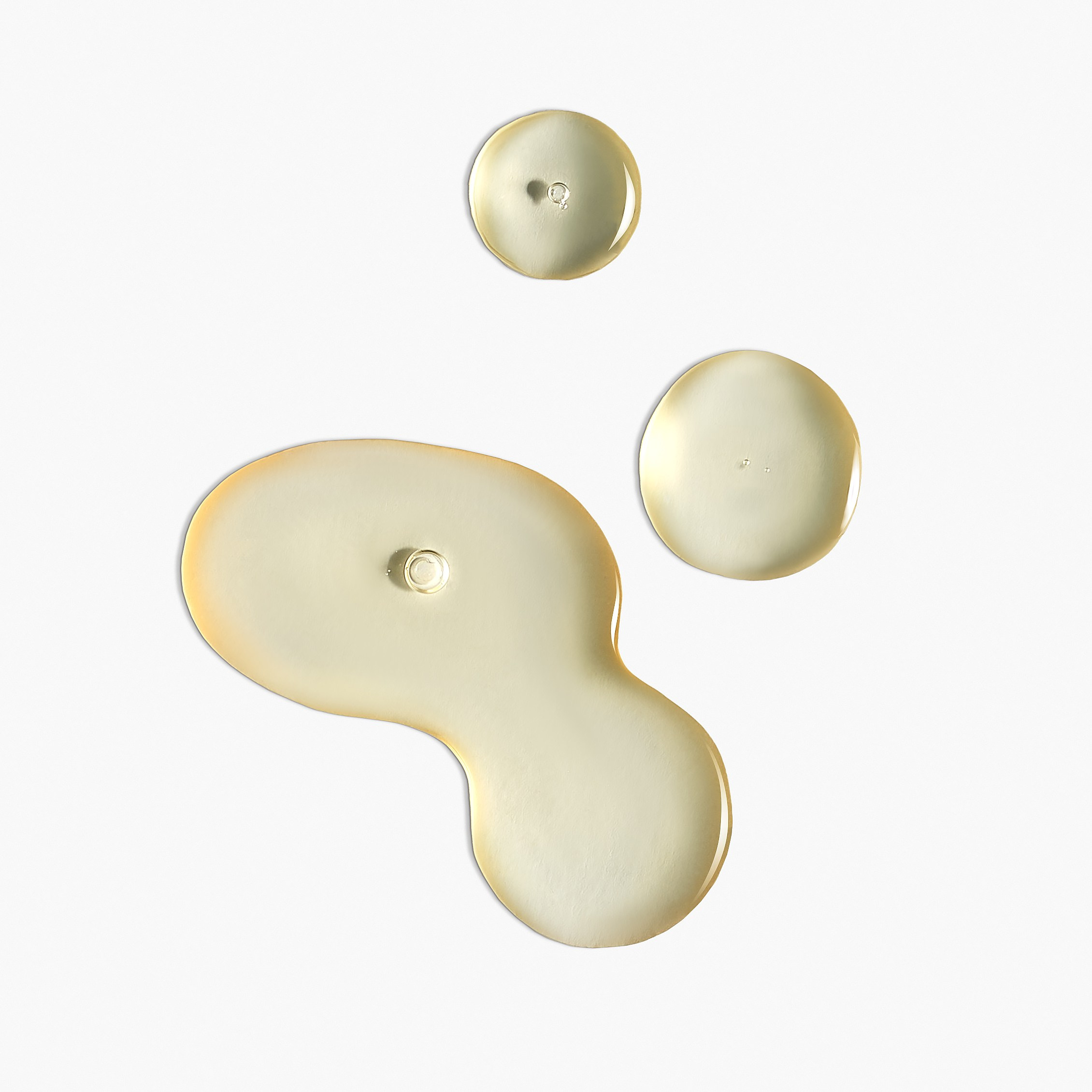
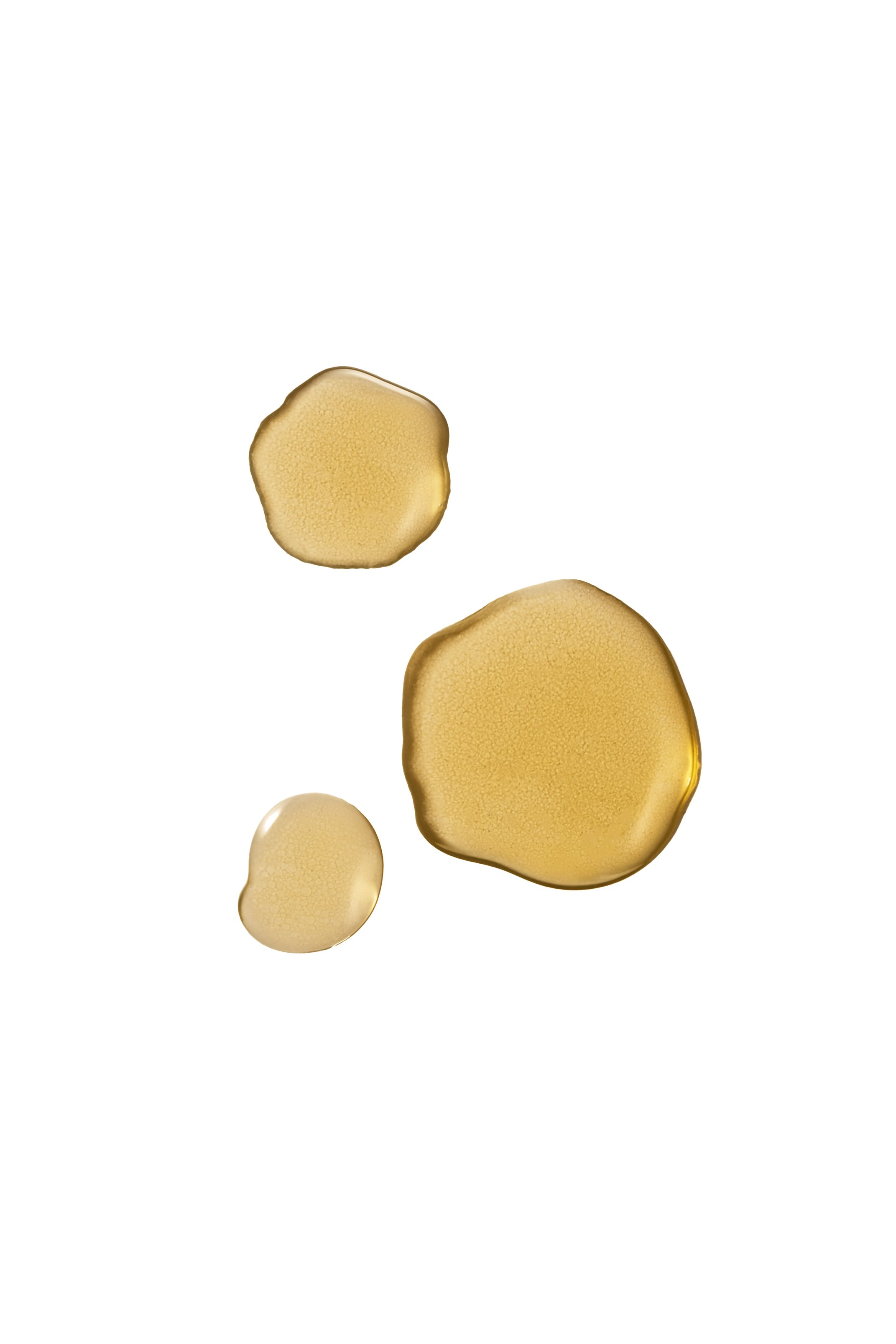
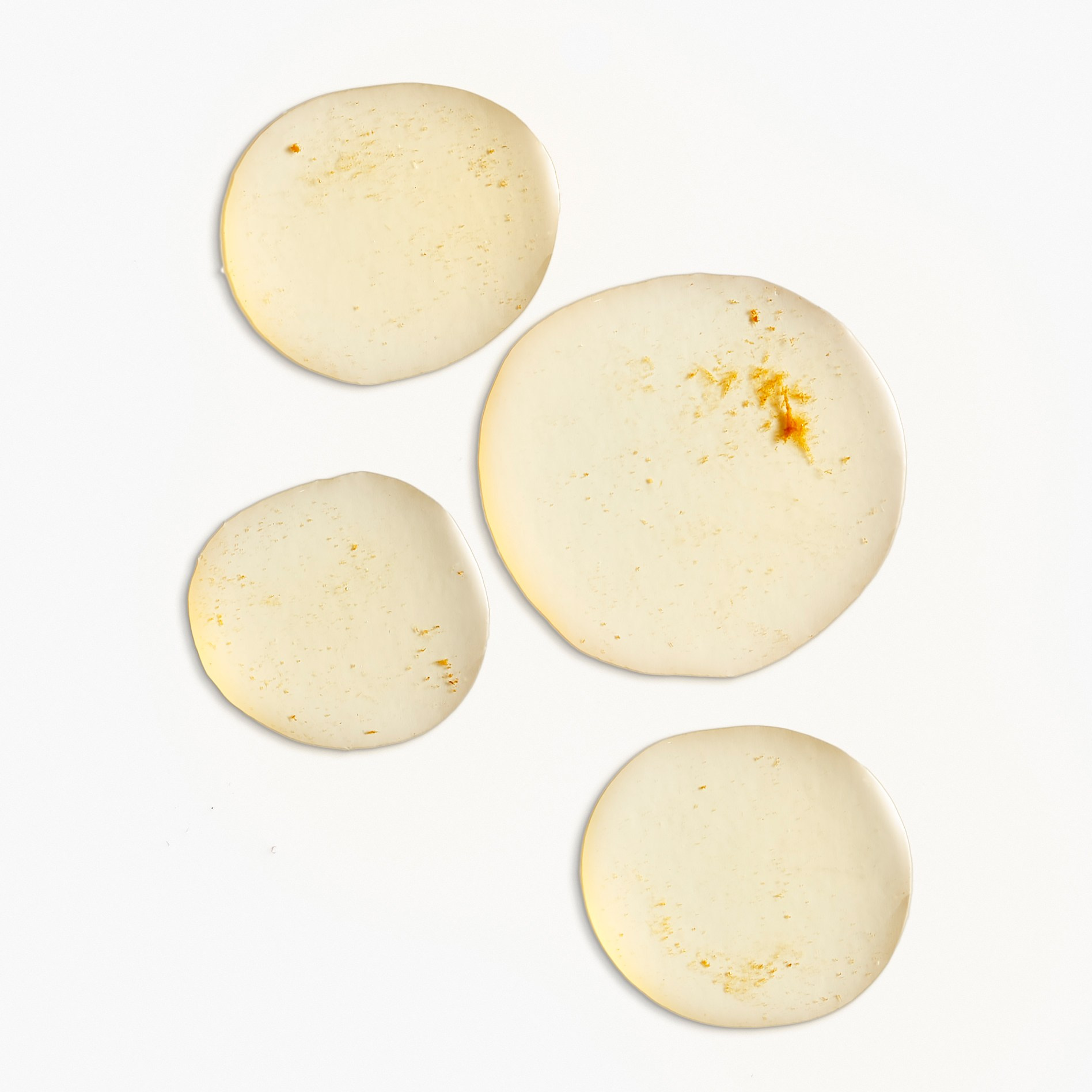
Clear serums work the other way round. A serum on a white background looks like dirty water. It needs something behind it to give it body, whether a gradient, a reflection or a coloured backdrop, because transparency only shows when there’s something to see through.
What each shot answers
| Shot | The customer's question |
|---|---|
| Swatch on skin | Does this shade work for me? |
| Texture macro | Is it light or heavy? |
| Full range together | Which of the twelve do I pick? |
| Product applied | How does it look on? |
| Packaging front-on | Is this what I'm buying? |
| Scale in hand | How much product is it? |
The last one always gets forgotten, and it causes silly returns. A 15 ml jar shot large and beautiful arrives home the size of a thimble.
Before you send your line to the studio
- Are all the shades coming, including the slower sellers?
- Is there one extra unit of each reference? For textures it gets opened and doesn’t come back
- Is the packaging free of fingerprints, with the labels straight?
- Is there a physical sample of the reference shade, or only a Pantone code?
- Do you know the finish of each reference: matte, satin, foil or gloss?
- Are the old listings all being replaced, or will they live alongside the new ones?
That last question decides the whole shoot. If the new listings will sit in the same grid as ones from two years ago, either the light gets matched to the old set or everything gets redone. Half and half, and the store looks like two brands.
What not having this shot costs
A return in cosmetics can’t be recovered. An opened product can’t be resold and the return shipping gets paid regardless. On top of that, a customer who returns over the shade rarely comes back.
A texture session, on the other hand, gets paid for once. The images work in the listing, the campaign, the feed and distributor material. It’s the same logic we follow when preparing e-commerce files: shoot once, use it on every channel.
Cosmetics rates, from listing to campaign, are on the pricing page.
What she’s really looking for
She’ll throw the bottle out in three months. What she wants to know from the first click is what she’ll see in the mirror.
Show her that before she buys, and the conversation about whether her screen was calibrated never needs to happen.
We shoot textures, swatches and full ranges with colour checked against the product in hand. Files in 10 working days.
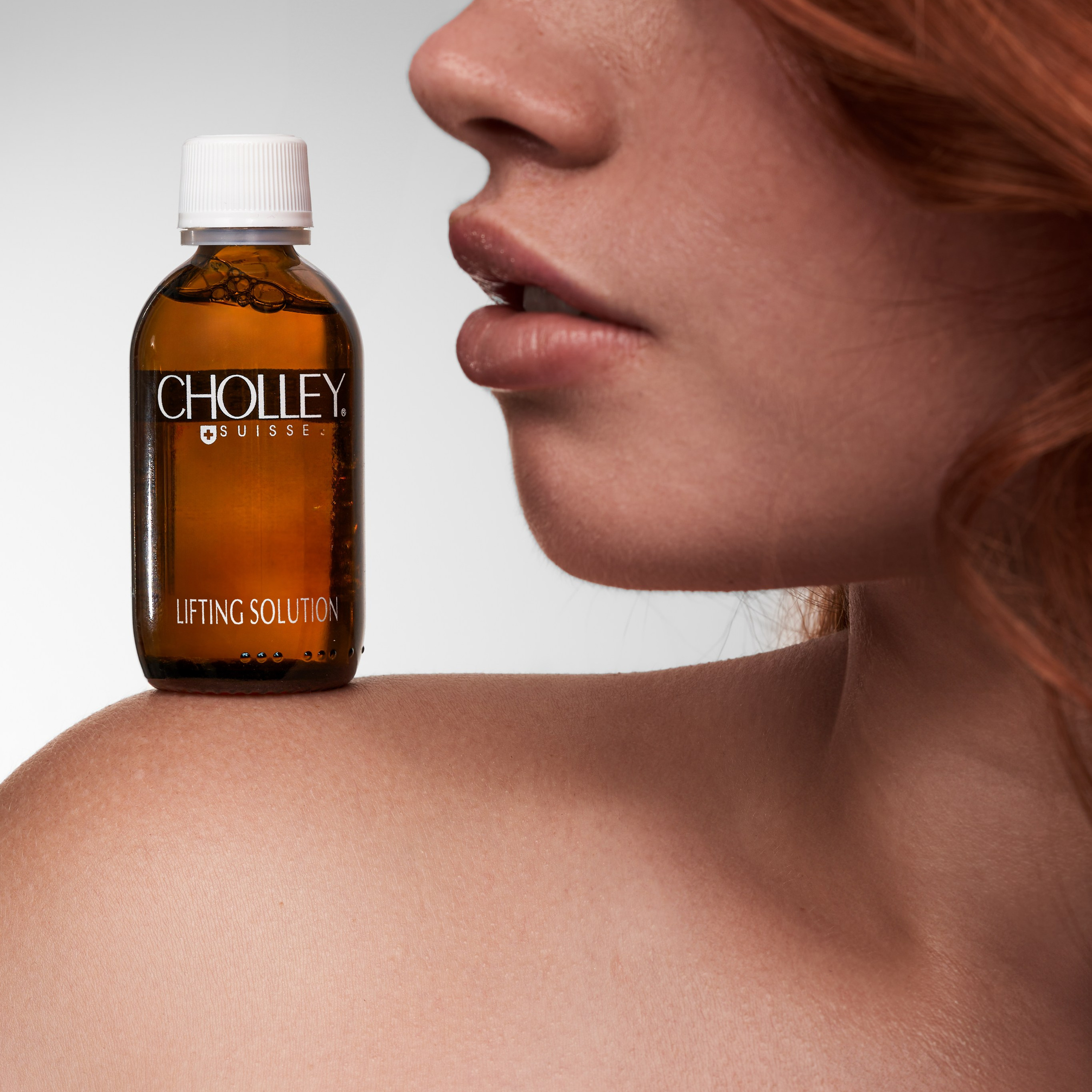
Catalog and Campaign
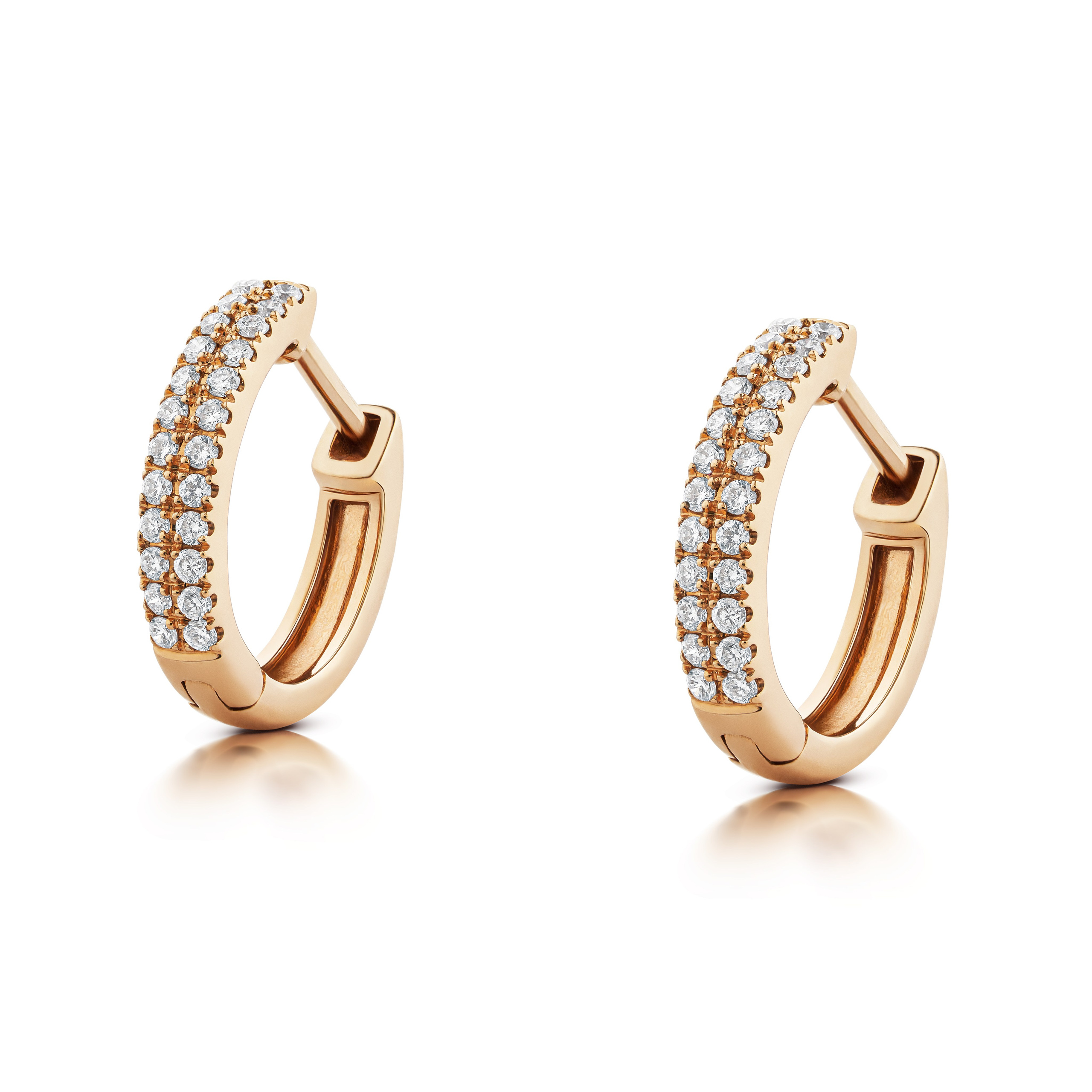
Why your gold comes out looking like yellow plastic
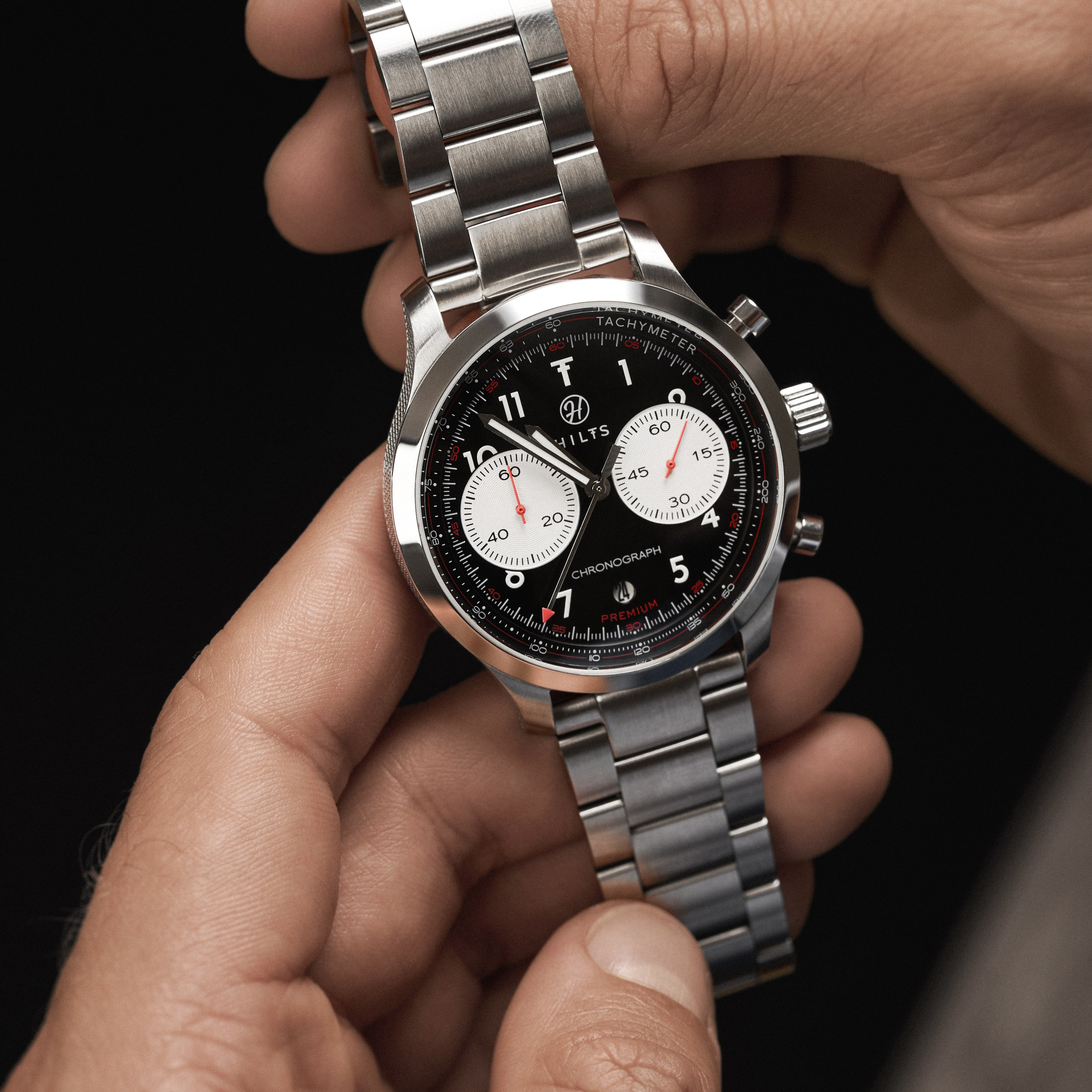
A dial under glass: the problem nobody sees until they do
Why Amazon and Zalando Reject Your Product Photos
Why Do Watches Show 10:10 in Photos? Myths and the Real Reason
Still Life Photography in Barcelona: Complete Guide
Photography for eCommerce: Keys to Boost Your Online Sales
Product Photography for the Web in Barcelona: A Complete Guide to Improving Your Online Presence

What Does a Product Photographer Do and Why Does Your Brand Need One?
Photography for online stores – sell more by showcasing better.

360 Product Photography: Revolutionize Your Product Presentation

How to Take Stunning Product Photos at Home: Creative Photography Tips

Fashion and Apparel Photography for Catalogs and Lookbooks: Why Professional Images are Key for Your Brand
Jewelry and Product Photography for Catalogs in Barcelona: How to Attract Customers with High-Quality Images